We made it through the parliament sitting, but now there are planes to catch and bills to pay, so we shall leave you here and try and beat the mass exodus that is Australian parliamentarians running for the exit after a double sitting week.
We will be back with the last sitting week (THAT WE KNOW OF) in a fortnight’s time. Thank you to how many of you came along for this soft launch of The Point Live – my goodness, we have all been humbled and are feeling very grateful for your support. We will all still be working away, so don’t be shy if you have questions in between our blogs – we are always around.
Especially me. Under contract, I am not allowed to leave my computer for more than two hours, or a fairy gets it. Should have read the fine print.
But seriously – make sure you check out The Point every day – we will have more features, more explainers, fact checks, analysis and opinion and a few more things as we continue to expand. We are loving your feedback so far and are taking it all on board. And yes – we ARE working on a quiz. We’ll have that for you soon.
A very big thank you to everyone who helped, listened to the rants, laughed and cried as we muddled our way through another sitting of this mess we call parliament. We will be back very soon for the last (FOR NOW) go around.
Until then – take care of you Ax
15.35 AEDT
View from Mike Bowers
How did Mike Bowers see QT?
Pretty smug for someone who looks like they were rejected from a 1950s cereal adHonestly, sames SussanWhen no one at the party matches your freakWhen you remember you have one more week of this to go
15.23 AEDT
Fact Check: Will a third of Barnaby Joyce’s electorate be covered in renewables?
Skye Predavec
Researcher
On Tuesday, Barnaby Joyce took to Sky News to complain solar and wind projects had “carpeted” his electorate.
“I come from a seat, Laura, where 31 per cent of the area of the New England is going to be covered in solar panels and wind turbines. I don’t think people ever comprehend that”
If that number sounds absurdly high, that’s because it is. New England is 75,000 square kilometres in size, so 31% of it would be bigger than Sydney and Melbourne put together.
You would think somebody else would’ve noticed if that much land was set to be covered in renewables, but his Sky News interview seems to be the only place that 31% figure has ever appeared on the internet.
And if you don’t trust us on this being wrong, trust Barnaby. He followed up his claim with:
We’ve got 400 square kilometres of solar panels coming into our electorate… then 4,000 square kilometres of wind turbines and the associated transmission lines”
So now he claims 4,400 square kilometres will be covered by solar and wind projects, or just 5.8% of New England – less than one fifth of the first number.
We couldn’t find a source for that either, and though it’s closer to a realistic figure, it still overstates the amount of land that renewables currently, or probably ever will, cover in New England.
Barnaby might hate electricity that comes from the wind, but he seems fine sourcing facts from thin air.
Verdict: Fanciful
15.21 AEDT
Croakey examines CDC outcome
For those interested in how the Australian CDC debate ended up, Croakey has a very good article looking at the end result, which you can read here.
15.17 AEDT
Question time ends
As has become his habit, Anthony Albanese wraps up the final question time of the week with a review of what he believes is Labor’s best hits.
“We are delivering, they are divided, divisive and despairing, they only have two settings; talking Australia down and dragging each other down. We are building Australia’s future. They are afraid of it.”
And that’s the last question time of the week and the fifth last one of the year.
So what did we learn?
Not to keep beating a dead horse like this – but nothing we didn’t know already. Despite some commentators claiming yesterday that the Coalition had Labor on the defence, that seems like some very wishful thinking – because it hasn’t been the reality. And it is not just me saying it, it’s been the defenders of the Coalition saying it. Which would be like me suddenly criticising Dolly Parton.
Because the Coalition don’t have any policies, they don’t have any lines of attack. They are falling back on either lies/mistruths (depending on how generous you want to be) which are very easily flicked away because of how obvious they are, or old attack lines that no longer make any sense.
It’s a party looking for a question, not just an answer.
15.11 AEDT
Gas is the problem not the solution
Matt Grudnoff
Senior Economist
People like to say that gas is needed as a bridging fuel to help us get to net zero. They claim that gas will speed up the transition to renewables. No one loves this argument more than the WA Premier Roger Cook.
“I think everyone recognises the anxieties that exist around fossil fuels at the moment. But certainly, when it comes to LNG it is going to continue to play an important role in the transition to clean energy.”
But a secret report that the WA government commissioned and received at the beginning of the year warns that rather than helping with the transition, WA’s LNG exports might be slowing the switch to renewable energy.
The report highlights 5 risks, including:
Resources are directed to gas infrastructure and away from low-carbon technologies.
Long-lived gas infrastructure can create a dependence on gas, delaying the transition.
Cheap gas can delay the price competitiveness of low-carbon technologies.
Focus on gas can reduce innovation on renewable energy and storage.
Cheap gas can drive up energy consumption and increase emissions
This report’s findings are similar to those from a CSIRO report commissioned by Woodside in 2019.
The science is clear, we need to transition away from fossil fuels. Instead, Australia is expanding not just gas but also coal. Claims that this will help reduce emissions in the long run are deeply flawed.
This all highlights how wrong it was from the Federal Environment Minister to approve Woodside’s North West Shelf extension to 2070. We need to phase out gas and coal and arguments that it is part of the solution should be rejected.
15.11 AEDT
Scamps asks about Northern Beaches Hospital
Sophie Scamps asks Mark Butler:
The Northern Beaches Hospital in Mackellar has provided both public and private services under a public rabbit partnership. Following the private operator Healthscope entering receivership in May this year the announcement public services would be transitioned to NSW Health was indeed very welcome. However there is great uncertainty about the continuation of the world-class private services delivered there. What reassurance can you provide my community regarding ongoing access to all the private services at Northern Beaches Hospital?
Butler:
I acknowledge the members advocacy or the return of this privatised hospital effectively to public hands. And can I remind the House that no Labor government has privatised hospitals over the last 30 years while Liberal government after Liberal government around the country has persisted with this failed experiment of privatising public acute care hospitals.
The first time I dealt with it was in the north-eastern suburbs of Adelaide back in the 1990s when Healthscope the same company was given the contract to run the Modbury Hospital. It was a debacle. We seen repeat after repeat of this failed Liberal Party experiment to privatise our public acute care hospitals. We know the auditor general report confirmed that sense of failure.
It does not integrate popularly into the system, that of the New South Wales order to general found and there is a tension between profit and proper clinical care that should not happen in an acute care public hospital the private hospital system has, is very different, it’s largely therefore planned procedures and of course. Go, the Liberal Party seeking to defend failed privatisation experiments because at the end of the day like Pavlov’s dog they return to the idea we should have a privatised model of healthcare. That’s not the Member’s view.
I do know though the very hard work of the New South Wales Minister for Health is doing here to unwind privatisation over a relatively short period of time is one that is seeking to reassure first of all doctors, nurses and other healthcare staff at that hospital that they’ll have jobs and clinical services at this hospital will be up to scratch.
I think there is a close process of consultation there. They will all have jobs offered, their entitlements will transfer to NSW Health if they choose to take up that offer.
As a member also knows South was is consulting closely with clinicians and the community about what privatise, what private hospital services will continue to be available on that precinct or on hospital site. I am keeping in touch with the New South Wales Minister about that.
As the Member knows this is all complicated by the fact Healthscope more broadly which runs well over 30 hospitals including Northern Beaches across the country is now in receivership so we are taking the lead as the Commonwealth or making sure there is continuity of service from all those other Healthscope hospitals but we took a decision as to governments NSW Health would leave on essentially unwinding arrangements and guaranteed private and public services on the Northern Beaches site but if the Member wants me to update her and keep representing these issues to the New South Wales Minister I’d be more than happy to.
15.09 AEDT
Leakedreport undermines Premier’s claim that LNG exports help Asia’s clean energy transition
Glenn Connley
The Western Australian government’s claim that its domestic gas production is helping Asia’s clean energy transition has been undermined in a leaked report – which it commissioned.
The report states “… there are substantial risks that natural gas could crowd out investments in renewable technology or delay the broader adoption of renewable energy technologies.”
These revelations come two months after Federal Environment Minister Murray Watt granted final approval for Woodside to extend the life of its North West Shelf gas project until 2070, but the report was received by the WA government in January.
The North West Shelf extension will result in over 4 billion tonnes of emissions, wiping out any emissions cuts by Australian governments many times over.
The report follows the leaking of a CSIRO report commissioned by Woodside which undermined similar claims, and a report by the US Department of Energy that found emissions from LNG could be greater than coal emissions in customer countries.
“The government for a long time now has been trying to make the ludicrous argument that if you extract and export more gas, which is a fossil fuel, it will be good for the climate and reduce emissions,” said Dr Richard Denniss, co-CEO of The Australia Institute.
“That’s not true, because climate change is caused by fossil fuels and gas is one of the main fossil fuels.
“It is no surprise the report was kept secret. It cost taxpayers $400,000 and did not support the government’s claims.”
15.05 AEDT
LNP stuck in the past (timeless statement)
The member for Dawson (I am not learning his name unless I have to. My head is already to full of men with opinions. I don’t need more) asks:
My question is to the prime minister, when asked about the prime minister’s promise to reduce power bills by $275, the Labor member for Solomon said and I quote, how long are you guys going to hang onto that to $275 piece? Prime Minister, are our power bills $275 lower now than in May 2022?
(This promise was two elections ago, was not raised at the last election, and was hijacked by the global inflation crisis. I am no defender of this government, but come on. Update the attack lines!)
Albanese:
I thank the member for his question and of course, what we know is that our friend the Member for Hume, had an interesting thing prior to 2022, where he actually he actually intervened to change the law, to hide where power prices were.
And I’m not sure why he’s here or not here, I wish him well.
Yesterday, of course they had another quote from the Member for Solomon, I don’t know how he got onto Sky News! But I congratulate… (INTERJECTIONS). I congratulate him for squeezing in between all those Liberal frontbenchers who have spent day after day, week after week, giving us, I assure you quotable quotes, quotable quotes, that are there for ever. Bagging each other, speaking about how Australia will become a pariah state, if, if they accepted the view of those opposite, of those opposite and the National Party, and some of the Liberal Party about abolishing net zero. Because we have a very clear position and it comes to energy going forward. It is to support the cheapest form of new energy, which is renewables.
To then support as well it being backed up by batteries and storage as well as gas for firming capacity as well.
That is our position, that is the way forward, not the fantasy that those are indulging in.
14.54 AEDT
Factcheck: Does Ted O’Brien need new advisors?
Greg Jericho
Chief Economist
Opposition deputy Ted O’Brien and Alex Hawke during question time in the House of representatives in Parliament House, Canberra this afternoon. Thursday 6th November 2025. Photograph by Mike Bowers
The Shadow Treasurer and his advisors seem to think they are on a winner by suggesting that government spending is preventing the RBA from cutting interest rates.
Ted O’Brien asked Chalmers: “The RBA ‘s forecast shows that if it were to offer any further rate relief, inflation would not get back to the 2.5% target. Noting the National accounts show Government consumption still growing faster than household consumption, will the Treasurer admit, that with his foot on the accelerator and the governors on the break, he is making it impossible for the RBA to offer further relief?”
A couple things.
The RBA forecasts do no such thing. The Statement on Monetary Policy includes the assumption that the cash rate will fall to 3.3% by December next year (so basically one cut from the current. 3.6%). And the RBA also estimates that by December next year the trimmed mean inflation level will be 2.7%. That is within the 2% to 3% target range that is the RBA’s target. The RBA only “targets” 2.5% because that is the midpoint and so it is a natural place to aim – but the actual goal is just to be consistently between 2% to 3%.
Then we get to government spending. The way to measure this is the growth of public demand – because that is the amount of extra demand the government is putting into the economy.
Yes, it is currently higher than household consumption growth, but that is because household consumption growth is SO DAMN LOW!!
When households are not growing their spending, the best thing a government can do is help provide some stimulus to the economy. That is what the governments have always done. And incidentally it is what the previous LNP government:
From 2015-2020 when household spending growth was as low as it is now, public demand helped keep things from falling over – and guess what, during this time interest rates were still cut!
One way to look at the amount of extra impetus the public spending is giving is to compare it to household consumption growth.
As you can see through 2024 public demand was above household consumption but the most recent figures show, the gap has dropped considerably.
So the suggestion that the government is preventing further rates cuts is pretty spurious. And given GDOP is projected to grow at just a mere 2%, an argument could be made that there should be more government spending to keep the economy going.
14.53 AEDT
Ed Husic gets booted for yelling ‘you forgot to mention Mamdani”
LNP MP Angie Bell, who has seen her profile rise under Sussan Ley’s leadership and is one of her bigger defenders asked the resources minister:
Yesterday the West Australian Premier Roger Cook was wandering around parliament pleading with every Minister who would listen to please, please, please, not cave into the Labor left dominated backbench on the EPBC bills. Will the minister listened to the Premier of her own state premier or All her all left-wing backbench.
Now there is a bit to this because Madeleine King IS in the left wing (whatever that means these days in Labor) and also, it is the Coalition who is not passing the EPBC laws, not Labor. So Cook was asking the ministers to keep the bill as it is, because the mining industry and states captured by the mining industry (like the West) want it passed as it works for them (which is why the Greens don’t like it)
In the midst of all of this, Husic yells out “YOU FORGOT MAMDANI” in the list of Bell’s LEFT WING SCARIES and when he is booted out under 94A fist pumps and says “GO ZOHRAN”
So, looks like there is one true believer in the Labor party.
14.48 AEDT
The Liberal MP for Monash, Mary Aldred asks Anthony Albanese:
My question is to the Prime Minister according to Anglicare 2025 cost of living index single parents families on minimum wage are left each week with $1 after covering essential expenses like rent transport and food. Foodbank’s 2025 hunger report states nearly 68% of single parent households are now going hungry.
Prime Minister, in light of these disturbing figures why are more Australians going hungry under Labor?
Albanese:
I thank the member for her question and of course she is new to this house and has not been here when all of…when all of the cuts that have been made by the former government in, when they were in office or the pluses that we have moved in of cost-of-living health that were opposed by her Liberal-National Party colleagues.
So I wish the Member all the best in encouraging a turnaround in the Liberal Party ‘s position when it comes to assisting people, when it comes to assisting people. All the measures we have put in place whether it be the changes to Medicare, the improvements and cuts to the cost of medicines, the improvements to the minimum wage the improvements to taxpayers with tax cuts all the measures we have put forward have been opposed by those opposite. Opposed by those opposite. So we understand that the job of assisting people is never done.
That’s why we are focused on, that’s why we also point out just the fact that those opposite when they were in government $20 million from Foodbank every year. They interject again. They interject again. They put it back so they can see the cuts were there each and every year and may say we put it back. One of the things I am very proud of is in our first budgets we changed the single-parent payment so it applied until the youngest child reaches the age of 14. (This was something that Labor changed originally)
Something that was never done by those opposite and one thing I won’t be lectured about by those opposite… Kids from single-parent families. That’s something I won’t be lectured by a bunch of people. Who have never seen an increase in living standards that they did not oppose who just stand up and continue to argue against minimum wage increases, continue to argue about tax cuts and who are Leader of the Opposition who gave a speech about the culture of dependency. What do you think that means? What do you think that means? That means cuts, more cuts and even more cuts and we know that’s the case because that’s their form.
14.42 AEDT
Flossie gets a round of applause
Anthony Albanese gets a dixer about what the government is doing (this is pretty much the dixer, I am not joking – things get loose this close to the end of the year) and he uses it to thank Flossie, the 12 year old who did a school report on the impacts social media can have on the brains of children, and now wants students to sign a pledge that they won’t go on social media until they are over 16. She gets a round of applause from the chamber. (She also gave a friendship bracelet to the PM which gets an awww)
Year 6 student Flossiefrom meets the Prime Minister Anthony Albanese. In September 2025 Flossie presented a project on the governments social media laws to her classmates focusing on the negative emotional and physical impacts of social media on young people. The meeting took place in the PM’s office of Parliament House, Canberra. Thursday 6th November 2025.Photograph by Mike Bowers
14.39 AEDT
Monique Ryan asks Anthony Albanese (somewhat expected given the roundtable she held today with medical and university researchers)
My question is to the Prime Minister to be promised Australian medical research saves lives and boost the economy, it improves our domestic security and provides age the region stopping the Medical Research Future Fund established to support the set with a year.
Your Government is spending only $650 million annually.
Could you please tell the dozens of medical researchers in the gallery today, why it is you are withholding the support that we committed to, and the sector needs and deserves? the call health and ageing.
Mark Butler takes this one:
Thank you to the Prime Minister giving me the opportunity to answer members question was up can I say how much we value your experience and contributions to health policy generally but particularly the time you are taking to represent and advocate the interests of medical research Institute sector which has been in the building over the last several days.
You and I were both at the dinner the other night with a number of members at least on this side of the House. Senator Ruston was there also. This is a question you asked before over the last couple of weeks to me and to the Treasurer.
Our position has not changed. I do want to take the opportunity to reaffirm our commitment to the MRFF – this is an institution of which both sides of the House can be properly initiated the process to set it up when we were last in government.
I had ministerial responsibility for this area. To their credit it was put in place and now has a capital of about $24 billion by the former government and as you say, as the Member says, it distributes about $650 million each and every year. I heard some remarks release from the Member and a number of the institutes earlier today about the success rate and applicants that have not been able to receive funding from the MRFF as the Member well knows.
Success rates for all the government research funds are well short of 100%. Well short of 100% of good where the applicant’s are actually able to receive funding and I think actually the MRFF has a success rate above the others. It’s about 30%, has been about 30% through the course of its time. PARC I think has a success rate close to 20%, the MER EA from in HRM C of 50%.
We’d all like that to be higher. But the MR FF performs pretty well. As the Treasurer said last week though I think the government is taking this very seriously. As I said and the Treasurer said, we are pulling together a single United national health and medical research strategy under the leadership of Rosemary Hucks PAO. Former Deputy Secretary of the Department of Health, I can’t believe the Leader of the Opposition is interjecting. Such is life. Once that strategy is delivered as a final document and it will be very shortly we will use that and a 10-year statutory review of the MRFF that the Treasurer and Minister for Finance recently received and published to consider a range of things including the matter that the Member has now raised a few times in Question Time over the last couple of weeks and was the subject of quite some advocacy by the medical research Institute also
14.28 AEDT
Ted O’Brien stands up for more ritual humiliation
Chris Bowen takes a dixer just so he can say: “the party of Menzies has become the party of Sky News frenzies” and Dugald Dick makes note that the member for Cook (whose name I learnt against my will) and the Nationals leader interjected nine and 11 times and they can now shut it.
Ted O’Brien then steps up for his ritual humiliation (it’s like a kink at this point)
The RBA ‘s forecast shows that if it were to offer any further rate relief, inflation would not get back to the 2.5% target. Noting the National accounts show Government consumption still growing faster than household consumption, will the Treasurer admit, that with his foot on the accelerator and the governors on the break, he is making it impossible for the RBA to offer further relief?
Jim Chalmers (who is feeling a bit calmer than yesterday, but no less annoyed it seems says)
Not for the first time the Shadow treasurers foot is in his mouth and the reason for that is the Reserve Bank made it very clear, in the course of coming to its decision earlier in the week, that Government spending had nothing to do with it.
They did not mention it in the press conference, they didn’t mention it with the press release and when they released the updated forecasts, when they released their updated forecasts, they downgraded their expectations for public spending on our economy.
One of the things that is happening in our economy I acknowledge there are a number of challenges but one of the welcome developments in our economy, is that the private sector has been taking over.
Over the last two or three-quarters the private sector has been regaining, resuming its rightful role as the primary driver of growth in our economy, for the last two-quarters public demand has made no contribution to growth.
The shadow treasurer really ought to know that, Mr Speaker. Now, in a week, with the opposition leaders judgement has been repeatedly called into question, I wanted to say I think it’s a credit to the strategic nous of the leader of opposition to give the shadow treasurer a question because nothing does the shadow treasurers leadership ambitions more harm, then to stand him in front of a microphone that is turned on.
A microphone that is turned on because I have already answered this question, Mr Speaker, earlier in the week and I made it very clear earlier in the week, Mr Speaker. I made it very clear earlier in the week, Mr Speaker. That if he is saying, that the Budget is the primary determinant of movements with interest rates in our economy, and we have had three interest rate cuts this year, including two interest rate since the Budget I handed down from the dispatch box in March Mr Speaker.
And if he wants to be honest about the view of the Reserve Bank, I encourage him to check out what Reserve Bank Governor said about the two surpluses we have delivered, and in the third year, the deficit is much smaller than we inherited and because of all of that debt is much lower as well compared to other countries and also I would say compared to what we inherited from those opposite.
The last point I would make, Mr Speaker, the shadow treasurer is precisely the last person I will take advice from when it comes to responsible economic management, is the guy who wanted to borrow hundreds of billions of dollars to build nuclear reactors which would push the price of electricity up not down.
14.23 AEDT
Question time begins
First there is a big thank you to Australia’s winter Olympians and Para-Olympians who are about to head off to Italy for the 2026 Winter Olympics.
Ali France is wearing her Australian scarf which her colleagues can be seen asking about (France is a world champion para-athlete) and a mention of Zali Steggall (an winter Olympic medalist) before we move on to the questions.
Sussan Ley is back to cost of living:
Food banks 2025 report shockingly reveals that 20% of Australian households are severely food insecure and that parents are skipping meals so their kids can eat. Commenting on Labor’s cost of living measures food bank has said they “Didn’t translate to food on the tables”. Why are more Australians going hungry under Labor?
(A reminder that charity is a failure of government policy and if people were paid directly, they wouldn’t need to access services like Foodbank)
Albanese:
Thank you while the modern Liberal Party is not so much a broad church these days as a temple of doom. They talk everything down, each and every day, they vote against… (INTERJECTIONS). They argue opposing tax cuts somehow does not make a difference to the capacity of people to get by. They argue that cheaper medicines won’t assist people to get the healthcare that they need. They argue that free TAFE is something that people don’t value to be able to get a job and up skill themselves because they won’t value it. They argue the creation of over 1 million jobs in just over… The interjections they do it again, they won’t learn. They did not read Dennis Shanahan’s comments over the last 24 hours. Because if they did… (INTERJECTIONS).
(The Oz long term writer did a Twitch-like stream commentary of QT for the Oz, and concluded they were the weakest opposition he has seen in 40 years, which – WELCOME TO THE PARTY DENIS)
Anyway, there are interjections and relevance points and yadda yadda but there is no answer.
14.05 AEDT
QT delayed
Question time is being delayed by a division to change the standing orders on the debate of the environmental protection laws.
13.56 AEDT
Grab your last few free minutes
The questioning time, is almost upon us.
Get what you need. We won’t judge.
13.47 AEDT
NSW coal, coal, coal
Rod Campbell
While all attention is on federal Coalition climate denial, the NSW Labor Government just keeps expanding coal mines.
For example, climate arch villains Peabody are trying to expand the Wilpinjong mine near Mudgee, with submissions published today, including ours.
You might remember Peabody from the “Advanced Energy for Life” PR campaign, which tried to argue that the coal industry was really interested in helping poor people get out of “energy poverty”. It didn’t work out well.
Hilariously, Peabody itself does not donate any money, staff time, expertise or discounted fuel to anti-energy poverty projects around the world. In fact, the handful of coal companies that did participate in energy poverty alleviation projects did so…by funding renewable energy.
Back in Mudgee, Peabody are proposing a mine expansion that they say would lose them $123 million.
Why would they do that?…because it would facilitate a huge future expansion that would be disastrous for the climate and the community in Wollar near the mine.
The NSW Government is also looking to expand the neighbouring Ulan mine, the huge Hunter Valley Operations mine and a bunch of others.
This is the main game!! Coalition climate denial and Labor renewable talking points are diversions!
No new coal mines!
13.44 AEDT
Slow senate means police welfare powers kicked into last sitting
Our secret squirrel friends in the senate (of which there are many, don’t be going hunting) have let us know that the government has run out of time in the senate to do government business, which means the police welfare powers amendment will be kicked into the next sitting.
13.33 AEDT
Government still knocking back duty of care in environment laws
The government is knocking back amendments left, right and centre to its environmental reform bill, including Zali Steggall’s that would have, among other things, included a duty of care into the laws.
Steggall says:
I am deeply disappointed that the House of Representatives failed to support my proposed amendments to the Environment Protection and Biodiversity Conservation (EPBC) Act that would have modernised Australia’s environmental laws by integrating climate accountability and financial risk into project assessments.
It makes no sense for our environmental legislation to ignore the biggest environmental threat of our time.
As the government’s own National Climate Risk Assessment showed, our environment is buckling under the weight of climate change. Nature protection and climate action can’t be separated.
These reforms were about aligning our environmental laws with the reality we face. By voting these reforms down, the Parliament has missed a crucial opportunity to deliver environmental laws that reflect science, safeguard our economy and protect our children’s future.
13.31 AEDT
FOI bill completely friendless in senate with Coalition’s official no
The Coalition have again arrived on the right side of an issue and will be opposing the FOI changes the government want to bring in. The crossbench, particularly Helen Haines, have been very strong in pushing against these increased barriers to transparency the government wanted to bring in, and the Coalition have found they agree (they had been heading that way too, which is a good thing) The Greens are also against these laws, so the bill is completely friendless, which means it can not pass the senate (unless one group gives in)
Here is the Ley statement:
The Coalition has condemned the Albanese Labor Government for ramming its Freedom of Information Amendment Bill 2025 through the Parliament – shutting down debate, blocking scrutiny and voting down every proposed amendment except its own.
Leader of the Opposition Sussan Ley said “Anthony Albanese promised a new era of integrity and transparency but instead has delivered the most secretive government since Federation.”
Shadow Attorney-General Andrew Wallace said “the Prime Minister talks transparency but governs in the shadows.” He said Labor’s behaviour in the House today laid bare a government that fears scrutiny and is determined to avoid it at any cost.
“Today Labor used its numbers to silence debate, block a proper inquiry, and force this legislation through with no justification or urgency,” Mr Wallace said. “This is law-making by arrogance from a Prime Minister who made big promises on integrity and has broken every one of them.”
Under these friendless reforms, Australians would be charged to access information about their own government and Cabinet secrecy will be expanded.
Labor would be able to toss out requests it labels “frivolous or vexatious”, drag out processing times, and hide more documents simply by narrowing what counts as an “official record”.
The result is simple: more refusals, fewer disclosures and weaker accountability.
This is not modernisation, it is a retreat from transparency and a truth tax on accountability.
Since taking office, Labor has normalised secrecy by using non-disclosure agreements on consultations, issuing a secret manual to stage-manage Senate Estimates, repeatedly defying Parliament’s orders to produce documents, ignoring recommendations to improve access to information and reducing resources for those whose job it is to hold the government to account.
FOI was never designed to make life comfortable for those in power. It exists so citizens, journalists and the Parliament can see how decisions are made and hold governments to account.
Recent FOI releases exposing warnings about Labor’s rushed NDIS changes and doubts over its Medicare bulk-billing incentives show exactly why Labor wants to shut the door on accountability.
Australians deserve a government that is transparent, accountable and humble enough to remember that information belongs to the people, not to ministers or bureaucrats.
The Coalition will oppose this Bill and continue to defend the public’s right to know.
13.24 AEDT
Bob Katter portrait
We take no responsibility for any hauntings or paranormal activity that may, or may not occur following the viewing of these images. We can only hope Mike Bowers was protected by his camera lens
The Father of the House Bob Katter with his horcrux, we mean portrait Don’t make eye contact It sees into your soul
13.18 AEDT
Wong statement on Sviatlana Tsikhanouskaya meeting
Penny Wong has released a statement following her meeting with Sviatlana Tsikhanouskaya:
Today I met with Sviatlana Tsikhanouskaya, head of the United Transitional Cabinet of Belarus.
Ms Tsikhanouskaya is an advocate for a free and democratic Belarus. Her decision to run in the 2020 presidential election in Belarus after the politically motivated imprisonment of her husband Serhei reflects her determination to support the Belarusian people’s aspirations for a free and democratic future.
The 2020 elections, and those held in Belarus since, have been marked by a concerning lack of transparency.
Ms Tsikhanouskaya’s visit is an important reminder to Australians of the situation in Belarus under the Lukashenko regime. Reports that thousands of individuals in Belarus have been unjustly detained, subjected to torture, or forced into exile are alarming.
The Lukashenko regime’s support for Russia’s illegal and immoral invasion of Ukraine undermines security in Europe. The Australian Government has taken strong action in response, including sanctions on Lukashenko and others supporting Russia’s war.
The Government reiterates its call on the Lukashenko regime to fully adhere to its obligations under international law and to cease support for Russia’s destabilising actions.
I commend Ms Tsikhanouskaya’s bravery and her fight for universal values of democracy and human rights.
12.57 AEDT
Qld energy policy trainwreck: Submissions published
Rod Campbell
Up in the Sunshine State, the new-ish LNP Government has proposed a new “Energy Roadmap” that boils down to more-coal-for-longer.
There’s a state parliamentary inquiry into the Energy Roadmap that has just published submissions, including ours at The Australia Institute. Our key points:
The proposed Energy Roadmap could increase Queensland’s emissions by 310 million tonnes to 2050, almost a years’ worth of Australia’s national emissions.
If emissions increase by 310 mt in the electricity sector, then emissions have to decrease by 310 mt somewhere else under a net zero policy. This additional abatement cost in other sectors could reach $98 billion. It is far cheaper to abate emissions in the electricity sector.
The proposal to spend $1.6 billion on maintaining coal and gas-fired generators sounds controversial, but is actually just business as usual for Queensland and is probably an underestimate of what is required as the power stations age. This money should be redirected to renewable energy.
Browsing through other submissions, there’s not a lot of support for this energy policy trainwreck. Most submissions oppose it, including the Mining and Energy Union:
While we are pleased to see the indicative closure schedule for Queensland’s state-owned coal power stations reset to technical lifespans, we are deeply concerned by the lack of certainty offered by the Roadmap, which will make it near impossible for workers and communities to plan for their futures.
Though the Roadmap extends the timelines, the overarching trajectory for coal-fired power in Australia is towards closure, and the Roadmap does little to create certainty for the coal power sector and its workers.
There are currently no credible proposals for new coal-fired power generation and, indeed, the Roadmap does not propose the construction of new coal-fired generation capacity.
In this context, we find that the Roadmap is subjective, opaque, vague, and non-committal with regard to the new closure dates for state-owned coal power stations.”
12.52 AEDT
Anthony Albanese meets with exiled Belarusian leader
Anthony Albanese has met with Sviatlana Tsikhanouskaya, the exiled Belarusian leader (Tsikhanouskaya won the vote, but Belarusian elections haven’t exactly been ‘democratic’ under Putin’s influence)
There are photos, but we have a policy of not running photos supplied by the PMO, unless absolutely necessary and it’s a posed photo of the two shaking hands, so no, it is not absolutely necessary. I am sure it will turn up else where though, if you are desperate.
Matthew Knott at the SMH reported this morning that Tsikhanouskaya had met with senior Labor figures in her tour of Australia but had not yet secured a meeting with Albanese. Guess the additional prod worked.
Tsikhanouskaya has been given refuge by Lithuania, who recently downgraded the security it was providing her, but maintained it’s overall protection remains.
12.40 AEDT
Disability peak organisations push back against police welfare powers
Pretty sure the disability peak bodies attached to this statement urging caution at the police welfare powers amendment would be shocked to hear they are supporting ‘dangerous felons on the run’ instead of you know – THE RULE OF LAW.
This statement is endorsed by:
· Australian Autism Alliance
· Australian Federation of Disability Organisations
· Children and Young People with Disability Australia
· Community Mental Health Australia
· Down Syndrome Australia Consortium
· First Peoples Disability Network Australia
· Inclusion Australia
· National Ethnic Disability Alliance
· National Mental Health Consumer Alliance
· People with Disability Australia
· Physical Disability Australia
· Women With Disabilities Australia
We are deeply concerned by the schedule 5 amendment to the Social Security and Other Legislative Amendments (Technical Change No 2) Bill 2025 that gives police new powers to advise the government to stop a person’s Centrelink payment.
Stopping a person’s payment before any court process has occurred risks leaving people without income, housing or essentials, and undermines the presumption of innocence that underpins our justice system. The Disability Royal Commission demonstrated that people with disability disproportionately experience high rates of contact with the criminal justice system, reflecting the broader criminalisation of disability and the lack of appropriate social, health and community supports. Commissioners also documented the significant barriers that our communities face when dealing with police, courts, and other parts of the justice system. These findings show that even within a system designed to uphold due process, people with disability are often denied justice when their rights and needs are not properly understood or accommodated.
We are also deeply concerned that communities traditionally over-policed and disadvantaged, including First Nations people with disability, would be at heightened risk under this amendment.
Given such injustices already occur for our communities under judicial oversight, the risks are far greater in an administrative system where decisions can be made quickly, without due process, evidence, legal representation, or advocacy.
This amendment was introduced without public consultation or adequate scrutiny. Changes that affect millions of Australians should be transparent and informed by those most impacted.
DROs strongly support the calls made by multiple civil society organisations, including the joint statement from Australian Council of Social Services (ACOSS) and Economic Justice Australia, for the Federal Government to abandon schedule 5 of this Bill.
Tanya Plibersek also tried defending her amendment which will allow police powers over welfare by criticising people standing against it (and you know, the whole reversal of the presumption of innocence) as standing up for ‘fugitives on the run’. No one is saying that. What people are saying is that this is a dangerous precedent to be setting. The Law Council of Australia has concerns over this, as does every major disability advocacy group, Indigenous advocacy groups and civil society. And for good reason:
Plibersek:
Well, unbelievably, Laura, we actually have people in the Parliament right now and in the community who are arguing that a fugitive on the run from the police for a serious offence like rape or murder or child abuse, should continue to get social security benefits while they’re on the run.
The Minister already has the power to cancel someone’s payments if they’re suspected of a terrorism offence and their passport or their visa is cancelled. It came to my attention recently that we don’t have the power to do that. When someone is accused of a serious crime like rape or murder, they’re on the run, there’s a warrant issued for their arrest. So, what I am proposing is that the Home Affairs Minister, after a request from the Federal Police or State Police, determines whether that person, whether there’s strong evidence against them, there’s a warrant for their arrest, they’re a continuing threat to the community. After considering any dependents, making sure that we look after the dependents, that person can have their social security benefit cancelled the same way they would if they were waiting on remand to be tried for a serious crime. And unbelievably, we have people in the Senate and in the Australian community who are saying, oh no, they should continue to get their JobSeeker or DSP or pension, whatever.
This is a very unfair characterisation of the facts.
12.07 AEDT
‘People on the edges of environment debate will need to compromise’ says Plibersek
Tanya Plibersek had to defend the environment law negotiations her successor in the environment portfolio is carrying out today, on Daylight SAD (which must burn given she had a deal with the Greens that Albanese scraped) and again made the point that this is something the fossil fuel lobby wants passed:
The legislation as it currently exists is really problematic. It just has presided over the slow decline of our environment in Australia. And it’s been, as you say, a handbrake on the development that the country needs. Everybody agrees that the current laws are broken. If these new laws, the proposed laws don’t pass, we’re stuck with the current laws. I think the people who are at the edges of this debate, at the extremes of this debate, just have to understand that there will be compromise required from both ends to get something that is workable and acceptable to the majority. And I think it’s really significant that, that there are plenty of people on both sides of this debate who are saying let’s just get on with it. People in the environment movement and people from the business community, including, I mean most recently the Minerals Council, saying let’s just get on with it
11.55 AEDT
NAB posts a $9.7 billion profit. Time to properly tax these obscene results.
Glenn Connley
The National Australia Bank today released its annual report showing a pre-tax profit of $9.7 billion.
This was slightly down on 2024 but, nevertheless, the CEO and executive group paid themselves $35.3 million, an increase of $2.4 million. CEO Andrew Irvine got a cool $5.6 million as remuneration in the year to September 2025.
NAB is Australia’s fifth largest company and third largest bank by market value. It accounts for 17% of all the loans to Australian residents. That includes 14% of housing loans and 22% of business loans, which means it is slightly biased towards its business customers.
Nevertheless, NAB is one of the big banks which, between them, control 72% of all Australian home loans. On average, they make $213,480 in pure profit from the average first home buyer paying off a 30 year mortgage.
“The NAB’s slightly lower profit has been described as “lukewarm” and “disappointing”. It is neither of those things. It is obscene,” said Richard Denniss, co-CEO of The Australia Institute.
“The lack of competition among the big banks in Australia comes at a huge cost to struggling homeowners.
“Just like the similar profit posted by Westpac a few days ago, this massive profit from home loans far exceeds the level of risk the bank undertakes.
“The federal government has a huge majority and therefore a huge opportunity to help take the burden off the people who need help the most.
“A small super profits tax, raising just over $1.7 billion in 2024-25, was imposed by the Coalition government back in 2017. That has clearly done little to dent the profits, or the market share of the big bank.
“Increasing it to $5 billion – or more – would take an extra few billion of the banks and give it to the battlers.”
11.36 AEDT
Greens and Nationals on the enviro laws
Greens senator Sarah Hanson-Young and Nationals deputy leader Kevin Hogan laid out their different parties views on the environment laws on Morning SAD* today:
*Sky After Dark
Hanson-Young:
Well, this bill as it’s drafted at the moment and as it will pass through the lower house today is a bill that’s effectively been written to satisfy the mining industry and the big logging companies, and big business. It’s much more about fast tracking things like coal and gas, and mining operations than it is about protecting the environment. So, if the government wants to work with the Greens to pass environment legislation, they’re going to have to put some protections for the environment in there. And, right at the top, that means protecting our native forests and protecting our climate. The bill will go to an inquiry, in fact, the inquiry is listed to not report back until March.
So, there’s quite a bit of time for the Senate to look at this and scrutinise it. I know the government is keen to get it done before Christmas, but if that’s the case they’re going to have to want to work with the Greens, they’re going to have to improve this bill significantly because now, it’s a bill about protecting the destroyers rather than protecting the forests.
Hogan:
Well we’d do a deal if we thought this bill was going to do what he says it will do. And that is make things easier, streamline processes to get approvals and to make things easier to employ people and make money for this country, and when Sarah says things like mining companies and business, I go, great isn’t it great that they’re having input into this?
Because mining is a good thing. We export hundreds of billions of dollars’ worth of mining products every year, which funds the NDIS, which funds Medicare. So, isn’t it good that people who make money want to have input to this bill? But what they’re all telling me, Pete, without exception, is this bill right now makes it even more difficult to do things in Australia than it currently is. And Pete, what does that mean? Some of these companies are big business and they can invest in gas projects, mining projects, anywhere in the world. And what they’re telling me is Australia is getting too hard. It’s over regulated, too much red and green tape. It’s too hard, too risky and it’s cheaper to invest your money and get better returns elsewhere. That’s not good for the wealth of our country.
The mining industry WANT the Coalition to pass this bill. So what does that tell you about how much easier it would make things?
11.18 AEDT
More groups join list urging a rethink over police welfare powers
It usually is the people who are most vulnerable to the abuse of laws, who come out and fight on behalf of everyone – because eventually, that is who these sorts of laws impact
As well as the Law Council of Australia, more disability peak bodies have come out to oppose the sudden introduction of new powers for police & ministers to cancel social security for people accused of a serious offence.
Monique Ryan ups the ante on medical research funding
Monique Ryan will hold a press conference today with medical and university researchers to ask the government to unlock funding from the medical research fund to you know, fund research.
Ryan has asked about this issue multiple times in the parliament and has been told the government is working through it. But it is one of the issues with these ‘funds’ that became super popular in the Howard years – instead of setting up funding direct to groups and policies, the governments set up funds and then rely on the dividends providing that funding. But the fund managers want the funds to keep making as much money as humanly possible, so they don’t like to release the dividends, and hence – no one gets any funding.
Ryan will have representatives from the following organisations will be present at the roundtable:
The Group of Eight, including researchers from: Monash University, University of Western Australia, University of Adelaide, and the University of Sydney
Association of Australian Medical Research Institutes
Australian Academy of Health and Medical Sciences
Australian Academy of Science
Peter MacCallum Cancer Centre
Burnett Institute
Lung Foundation Australia
George Institute
Australasian Leukemia and Lymphoma Group
Hudson Institute of Medical Research
Thoracic Society of Australia and New Zealand
John Curtin School of Medical Research
Research Australia
Science and Technology Australia
10.50 AEDT
Labor concedes gas to be around for hundreds of years
Matt Grudnoff
Senior Economist
Labor likes to talk about gas being a transition fuel. People usually interpret that as gas being a necessary evil for a short period of time, while we move to renewables and storage.
But on ABC radio this morning, a member of the Labor Government said the quite bit out loud. Andrew Leigh, the Assistant Minister for Productivity, Competition, Charities and Treasury said:
“Gas over the course of the next couple of hundred years is going to be phased out but in the short term it provides a firming role which supports the renewables transition in a period in which battery technology is still developing.”
Yes, you read that right. Labor expects gas to continue to be used for hundreds of years.
The science is telling us that we need to act urgently. Labor is planning to burn gas for hundreds of years. The result will be more storms, more floods, more droughts, and more fires.
Labor is clearly enjoying the mess that the Coalition is in on net zero. But the Coalition are an irrelevant rump in parliament. Labor can pass anything it wants through the parliament with the help of the Greens and crossbench.
The distraction that the Coalition have become has clearly taken the pressure off Labor. They now feel comfortable telling us they plan to burn fossil fuels far into the future.
Rather than focus on the irrelevant bun fight in the Coalition, we should be holding Labor accountable for their plans to cook the planet.
10.40 AEDT
While the coalition squabbles over net zero, insurance chief demands real action on climate change
Staff Writers
For years now, The Australia Institute has been saying that while some people will never believe the science around climate change, their insurer certainly does.
The CEO of the nation’s second biggest insurer, Suncorp, has told politicians it’s time to start taking climate change more seriously, especially when it comes to the types of houses we build – and where we build them.
Steve Johnson hosted at roundtable at Parliament House, telling politicians, planners and housing groups they needed to take climate change into account when responding to the housing crisis.
“For too long, the housing and resilience sectors have operated in isolation, leading to too many homes being built in high risk areas susceptible to flood, fire and cyclone,” Mr Johnson warned.
He said expanding our major cities into areas with natural risks, like low-lying riverside areas susceptible to floods or the edge of fire-prone bushland, was trying to solve one crisis by causing another.
“While these greenfield areas often offer lower upfront costs for developers, they present a significant and growing risk to homeowners and communities.”
“Without proper thought and discussion, we will only see a deepening of inequality, push more people into financial hardship, and widen the divide for our most vulnerable community members.”
Way back in 2019, The Australia Institute proposed a levy on the nation’s biggest polluters to create a fund which would raise billions to prepare for – and respond to – climate-related disasters.
“Instead of pouring more fuel on the fire with billions in fossil fuel subsidies, it’s time the government taxed the fossil fuel industry to create a National Climate Disaster Fund that could help pay for the costs of disaster response, recovery and adaptation.”
Mr Johnson later spoke to journalists in the parliamentary press gallery, saying the nation’s leaders should focus on preparing for more frequent and intense natural disasters, rather than relitigating the debate over net zero targets.
His comments were endorsed by New South Wales Planning Minister Paul Scully.
“Weather events are getting more extreme, more frequent and less predictable and while we face that challenge we’re also grappling with critical need for more housing,” Mr Scully said.
“The challenge is not just land use controls for new homes, but in recognising the legacy of development and making sure that we encourage resilience so that those least able to afford it are not left behind.”
10.27 AEDT
Govt’s FOI changes could reduce Australian rights and liberties, finds scrutiny committee
Skye Predavec
Researcher
The Government’s proposed restrictions on freedom of informationhave been assessed by Federal Parliament’s Scrutiny of Bills Committee, and they have serious concerns.
The committee’s job is to assess whether proposed changes to Australian law will harm individual rights and liberties.
They find that the Albanese Government’s FOI Bill “may unduly trespass on personal rights and liberties that rely on access to government information”, and that it does so “without sufficient justification”.
That’s because the bill introduces “broad and discretionary” ways for public servants to deny public access to documents requested under FOI.
It’s a damning assessment of a bill which is already in hot water from integrity groups, including The Australia Institutewhich found the bill would make it harder and more expensive for Australians to get information from the government.
The committee is also concerned that the bill may curb procedural fairness by allowing agencies and ministers to refuse to deal with requests they see as frivolous and may allow administrative power to be delegated too broadly – meaning that if you put in an FOI application, it might be rejected without sufficient reasons given, or be assessed by someone too junior for the powers they’ve been given.
The FOI bill passed its second reading in the House of Representatives yesterday, but only Labor MPs voted for it.
The bill can only become law if it also passes the Senate, and that won’t happen so long as the Liberal–National Opposition and crossbench hold firm in their opposition.
10.22 AEDT
Liberal senator has to correct record after accidentally referring to alive senator as having died
NSW Liberal senator Jessica Collins, who is part of Angus Taylor, has had to make a bit of an awkward explanation to the senate:
In speaking to Senator Hume’s private member’s bill on superannuation, I misspoke declaring former Senator Richard Alston ao, a good friend of mine as the late Senator, I indeed exaggerated his death.
I can confirm that former Senator Richard Alston, AO is a OK having spoken to him immediately after my speech to apologise for my mistake.
Former Senator Alston was instrumental in the early days of superannuation being appointed Shadow Minister for superannuation during his tenure. However, the late Senator to whom I was referring was Senator John Watson. May God rest his soul.
I thank former Senator Richard Alston for his good grace and his humor and for encouraging me by saying, ‘if that’s the worst mistake you make in Parliament, you’ll be doing okay’.
And my sincere apologies to anyone who I may have taken by surprise.
I also often accidentally refer to my ‘good friends’ who are still alive as having died, so very understandable.
10.06 AEDT
Government manages to unite Coalition and Teals
For one of the first times I can remember, you have the teal independents standing with the Coalition in opposition to something Labor is doing.
Now there have been disagreements in the past on things like super and what not, but a lot of the time, the teals who don’t have electorates who feel strongly about tend to sit the votes out.
It is unusual that you see these names altogether – but Labor have done it.
09.52 AEDT
The government gags FOI debate in the house
The government is gagging the debate on the FOI bill, claiming it was had in the Federation chamber and there is no more need for debate in the chamber.
The timing of the debate meant the independents had to do some fancy scheduling work, because they were split between that and getting their objections on the record for the environment bill.
And now, despite not really answering Helen Haines’ and others questions about the costs (they have been increased by huge amounts) or the cabinet in confidence exclusion (which means a government can just say its confidential and not release it) the government is done with the debate and moving it to the senate.
09.41 AEDT
More groups raise concerns about police welfare powers due to pass today
Lots of groups here, not necessarily all who are always on the same page, raising the same concerns about giving police powers over welfare. Outside of Lidia Thorpe and Andrew Wilkie, there has not been the same examination at the political level.
Now @jec_aus has added its name to the list of groups opposing this draconian and underhanded move.
Here is Flossie meeting with the prime minister and Anika Wells (who has her best vice captain face on) to talk about her pledge for students to avoid social media until they are 16.
(We are not using her surname because children deserve some web search anonymity in case they change their mind when they get older. This doesn’t mean Flossie and her parents didn’t consent, but still)
09.28 AEDT
Where in the world is Pauline Hanson? (Florida)
In case you were wondering why you haven’t heard Pauline Hanson crowing over the Liberals net zero position, it’s because she is in the US, staying at Trump’s Mar-a-Lago resort in Florida (and has been all week – don’t worry, she’s not sitting alone at the breakfast buffet – Gina has been seen there too) ahead of her speech to the Conservative Political Action Conference (CPAC) where she is bragging about being just a stone’s throw away from beating the Coalition’s vote.
She won’t have to look too far for speaking notes – these are all the same things that she was saying in 1998. And the 2000s. And then when she got back in in 2019. And well, evidence would suggest that there’s a lot of talk, but not a lot of walk when it comes to those not-so-humble-brags.
Meanwhile, Barnaby Joyce still won’t say which way he is going to go in terms of his future – because of course he won’t. The man has built a career out of being a chaos monkey from the moment he was elected to the Queensland senate from fourth place (thanks to One Nation preferences) in the early 2000s and it has paid massive dividends for him – why would he change now? Why does anyone take him seriously is the bigger question.
09.19 AEDT
A broken university system is letting Australia down
Angus Blackman
Executive Producer
Poor governance, poor policy and decades of neoliberalism have broken Australia’s university sector, with devastating consequences for students and the country.
On this episode of Follow the Money, Richard Denniss and Ebony Bennett discuss the lack of accountability in Australia’s universities, why some institutions’ claims of financial crises aren’t supported by their auditors, and what Australians think about the state of the sector.
09.03 AEDT
Microsoft to offer refunds over AI price plans
AAP
Almost three million Australians will be offered refunds after a tech giant apologised for the way it charged customers to access its artificial intelligence tools.
Microsoft Australia emailed the offer to software subscribers on Thursday and admits the pricing structure and plans lacked clarity and fell short of its standards.
The apology comes 10 days after the Australian Competition and Consumer Commission launched legal action against Microsoft Australia and its parent company in Federal Court, claiming it had misled consumers about the price of their subscriptions and the availability of cheaper plans without AI tools.
The US firm could face multimillion-dollar penalties if the court finds in the commission’s favour.
Microsoft Australia began sending messages to Microsoft 365 Personal and Family subscribers on Thursday morning, outlining available plans and apologising for a lack of clarity about them.
The plans include $16 and $18 per month packages that include access to the company’s AI assistant Copilot, and $11 and $14 “classic” subscriptions that do not include the tool.
Microsoft said subscribers who opt to switch back to the cheaper plans before the end of 2025 would receive refunds dating back to payments made after November 30, 2024.
“Our relationship is based on trust and transparency and we apologise for falling short of our standards,” the email said.
In its lawsuit, the commission alleges Microsoft misled about 2.7 million subscribers into paying higher prices to maintain their subscriptions with Copilot added and were not advised of a cheaper alternative.
Only when subscribers sought to cancel their service were they told about a non-AI option, commission chair Gina Cass-Gottlieb said.
“We’re concerned that Microsoft’s communications denied its customers the opportunity to make informed decisions about their subscription options,” she said.
In a statement, Microsoft Australia said the company should have done better.
“In hindsight, we could have been clearer about the availability of a non-AI-enabled offering with subscribers, not just to those who opted to cancel their subscription,” the statement said.
“In our email to subscribers, we expressed our regret for not being clearer about our subscription options, shared details about lower priced alternatives that come without AI, and offered a refund to eligible subscribers who wish to switch.”
While customer refunds could cost the company millions of dollars, Microsoft could also face large fines if the watchdog pursues and is successful in its lawsuit.
Maximum penalties for corporations found guilty of anti-competitive practices include a $50 million fine, three times the value of the misleading act, or 30 per cent of the company’s adjusted turnover during the breach.
08.54 AEDT
PM to meet school student over social media laws
The prime minister is going to meet with a Year Six student from Hobart today, as part of the sell for the social media ban.
Flossie presented a project on the government’s laws, which looked at the negative and emotional impacts of social media on kids and interviewed Dr Lila Landowski and child psychologist Cassie Xintavalonis “to better understand the neuroscience behind what social media does to young people’s brains”
Flossie has asked her classmates to sign a pledge they won’t use social media until they are at least 16. The prime minister loves this idea and so Flossie is meeting with him – and a lot of cameras – today.
08.35 AEDT
Penny Wong to meet Sviatlana Tsikhanouskaya
Penny Wong is meeting with Sviatlana Tsikhanouskaya, head of the United Transitional Cabinet of Belarus today.
The European Parliament has declared Tikhanovskaya Belarus’ president-elect in the eyes of the Belarusian people and it recognises her cabinet-in-exile as the nation’s legitimate representatives. Belarus is the 16th most authoritarian country in the world, making it less free than Russia, according to The Economist’s democracy index.
“It’s a strategy of Russia to keep people stressed, intimidated, to keep people in fear,” the 43-year-old says in an Uber en route to her next event. “I think that for everyone who is opposing the regime, this feeling of fear is present every day, but our power, our strength, is to overcome it.”
08.13 AEDT
New research shows the Coalition’s women problem has a name: Donald Trump
Skye Predavec
The Point
The Coalition’s problem with women voters is well-known. Female MPs are still outnumbered two-to-one in Liberal and National party rooms, and polling consistently shows women are less likely to vote for either party.
Photo: Official White House Photo/Joyce N. Boghosian
There are many factors that can contribute to this, but new research suggests that women in Australia do not see the Coalition as reflecting their values.
Respondents were asked:
Australian Defence Minister Richard Marles said Australia and the United States “share values” of “democracy and the rule of law”. Do you agree or disagree that Australia “shares values” with the United States under President Trump?
Australian women are very unlikely to agree that Australia shares values with Trump’s America – 52% disagree and just 22% agree.
This research carries a clear message to Australia’s politicians: if you want to appeal to women voters then you can’t do that by acting like US President Donald Trump.
Desperate callers trying to get emergency help may have been left stranded again as embattled telco Optus flags another failing in its network.
The company experienced an outage in the Hunter Valley region of NSW on Wednesday afternoon with mobile data and voice services out of action.
“Optus is responding to a fibre break which is impacting customers in the Port Stephens, Maitland, and surrounding areas,” the telco said on its website.
“The ability to connect to triple zero may be impacted for some.
“Optus technicians are onsite working to restore services as quickly as possible.”
The latest outage comes days after Optus executives faced a Senate grilling over their failure to act in a September outage linked to the deaths of three people.
Nearly 18 hours passed between learning of the major outage and informing the industry regulator and communications minister of the problem, the inquiry was told.
More than 600 triple-zero calls could not be connected, but the telco initially suggested to authorities the number involved was just a handful.
Optus pledged 300 people would be added to its Australian call centres with a focus on the emergency network, while safeguards surrounding triple-zero calls would be ramped up.
Rules that took effect on Saturday require telcos to report triple-zero outages to the communications watchdog and emergency services in real time.
08.05 AEDT
Murray Watt on the reef
In a timeless statement, because we aren’t actually making any major changes to save it, the Great Barrier Reef is in a lot of trouble
Here is what Murray Watt had to say about that:
Well, comes to the Great Barrier Reef, our Government is investing over a billion dollars over several years to restore the health of the Great Barrier Reef. It is clearly a icon, not just a national icon in Australia. We know that coral reefs all around the world, including the Great Barrier Reef and Ningaloo in Western Australia, under pressure from climate change.
That’s why we got to keep making those investments to restore the health of the reefs it’s why we got to keep reducing our emissions and got to reach net zero.
The Coalition might want to have their internal games about net zero and distract them from important issues like environmental law, but in the meantime, we do see our environment go backwards. So but the number one thing we can do at the moment to help the reef and all of our natural environment is to pass these laws which will environmental standards, higher penalties for those who break the law, new federal EPA which we never had before to enforce those laws, so it’s a vital step forward for our environment.
07.58 AEDT
Tip Top to Liberals – give your leader a chance
Michael McCormack, or Tip Top as we call him in these parts (because he is like white bread, if it could walk and talk) knows a bit about MPs not giving a leader a chance – he spent most of his leadership of the Nationals fighting of Barnaby Joyce and his faction.
He spoke to Sky News yesterday asking the Liberals to give Ley a chance. AAP wrapped up yesterday here:
A former deputy prime minister is urging his coalition colleagues to give Sussan Ley a fair go with speculation her days as federal opposition leader may be numbered.
Ms Ley has batted away suggestions she should be worried for her job after two of her leadership rivals, who are pushing for net-zero policies to be dumped, were seen dining together.
Former Nationals leader Michael McCormack said Ms Ley hadn’t been given clear air since taking on the top job after the coalition’s disastrous election defeat.
Michael McCormack has offered support to the embattled Sussan Ley. (Lukas Coch/AAP PHOTOS)
“She hasn’t had any clear air in the five or six months she’s been leader,” he told Sky News.
“She’s the first female leader of the Liberal party in 81 years and the first female opposition leader ever.
“She needs to be given clear air, given a chance.”
Internal division over the coalition’s energy policy has been supercharged after the Nationals announced they were abandoning any commitment to achieving net-zero greenhouse gas emissions by 2050.
The move, followed by a dire poll revealing support for the Liberals had hit historic lows, has prompted fevered speculation about Ms Ley’s leadership.
Rival conservative Liberals Angus Taylor and Andrew Hastie, who both have ambitions for Ms Ley’s job, were seen having dinner with a group of colleagues on Tuesday night in Canberra.
Liberal Andrew Hastie is believed to still have ambitions to be opposition leader. (Lukas Coch/AAP PHOTOS)
Mr Taylor joked he loved a green curry with a bit of spice, but played down the gathering and said Ms Ley’s position was safe.
“I think she’s going to continue on … and take us to the next election,” he told Sky News.
Ms Ley said she was “completely confident” her job was secure.
“Can I just say people are actually quite chummy across my party … and actually sometimes do catch up in Canberra sitting week for dinner,” she told Nine’s Today program during a morning media blitz on Wednesday.
Ms Ley said she had never supported “net-zero at any cost” when asked if she was prepared to ditch the emission-reduction goal for 2050 in a bid to save her leadership.
“There are a lot of different opinions in our party room,” she told ABC TV.
“I said I wouldn’t make captains’ calls. I’m doing exactly what I said I would do.”
Prime Minister Anthony Albanese used question time to have a crack at the ongoing divisions within the Liberal and National parties over energy.
Anthony Albanese has tried to exploit ongoing divisions between the Liberals and the Nationals. (Lukas Coch/AAP PHOTOS)
He suggested coalition MPs could answer a “multiple choice question” about their energy policy during their next party room meeting.
“Although the next party room meeting might be focused on something else,” he said, referencing the ongoing leadership speculation.
07.45 AEDT
Things that make you go hmmmm
Murray Watt has spent most of his life making deals, both as a lawyer and then backroom wrangler for Labor factions, before he was in the senate. So when he says this in answer to ‘how are negotiations going’ he is deliberately wanting to stir some things up:
What those parties are saying to me behind closed doors is a little bit more moderate than the rhetoric they carry on in the media, you would expect that.
As I say I’m hopeful over the next fortnight both of those parties can really focus, put aside some of their internal issues or the game-playing they like to get up to, and really narrow down the number of issues that are deal breakers for them. We cannot keep going around in circles with these laws while we see our environment go backwards and while we see housing and renewable projects held up in red tape.
The counterfactual is true though as well – if the government was desperate to pass this legislation, then it would make a deal. Like it did with the Greens last term. But it only wants to make a deal its way, that doesn’t upset mining or captured state leaders like Roger Cook. So what does that tell you?
07.42 AEDT
Time apart makes the legislative heart fonder. Or something.
Murray Watt also thinks some time away (parliament rises after today and won’t sit for two weeks) might make the Greens and Coalition more open to doing a deal.
I think what’s important about the next fortnight when we’re out of Parliament is that it gives both the Coalition and the Greens an opportunity to [look at the laws].
That’s a bit hard for the Coalition at the moment. They’re very divided over net zero and I think that is getting in the way of their ability to really focus on these laws and understand the real benefits for business and it’s an opportunity for the Greens over the next fortnight to put aside to sort of blocking and spoiling games that they get up to while in Parliament and to notice and observe there’s really strong gains for the environment as well.
If you want to protect the environment, this is not great legislation. So a few issues there. The Coalition will do what is best for it but hasn’t quite worked that part out yet.
07.29 AEDT
Watt wants environment laws done
Environment minister Murray Watt is up and about early – the environment laws will pass the house today. The senate has kicked them off until March with an inquiry, but as we have been reporting, that can always change. The Minerals Council has come out very strongly in the Oz as wanting the Coalition to pass the bill before Christmas, so the government doesn’t go to the Greens and the bill is done and dusted (gee, wonder who these laws benefit if the fossil fuel lobby wants it all wrapped up so quickly?!) but the Coalition is a bit of a mess these days, so who knows what the plan is beyond survival.
Here is how Watt described his position on ABC News Breakfast this morning:
Well, this is a really significant day, after five years since Graeme Samuel tabled his report with recommendations about how to fix our environment laws, the laws will pass the House of Representatives today. The other important thing about though, is that in the House of Representatives, we are going to see the Greens Party vote with Barnaby Joyce against laws that deliver very real benefits if the environment. Equally, we’re going to see the Coalition vote with the Greens to stop laws that will deliver very real benefits for business.
They’re opposing the balanced pack that Graeme Samuel recommended, that we have put forward in this bill, but notwithstanding, it’s very pleasing to see it will pass the House. I’m still very confident that we can pass these laws this year.
Obviously there’s one more sitting week to go and there is an opportunity for the Senate to consider and pass these laws in that Senate – in that last sitting week.
There will actually be three hearings of the Senate Committee which is looking into this bill in the next fortnight before we return to Parliament. I there’s going to be about 40-odd witnesses who will give evidence at those three days of hearings, so there’ll be a lot of opportunity for people to have their say.
We simply cannot keep delaying reforms which will deliver national environmental standards, higher penalties damage our environment, and which will streamline approvals for really important projects like housing and renewables.
Kay, couple of things; why are we treating Graeme Samuel like he has sent words down the mount? He’s not Dolly Parton – he is a lawyer, businessman and former ACCC chair – not an unquestionable God. And does anyone have a problem with recommendations that are five years old in this space? Two, it is possible for the Greens and Barnaby Joyce to be against the laws for two different reasons. The government’s preferred pathway here is with the Coalition and Joyce for exactly that reason.
07.11 AEDT
Angus Taylor is having fun
Yesterday Angus Taylor gave an interview to Sky News – so you know he is feeling comfortable. He doesn’t have the treasury portfolio (he’s shadow defence) but it is where he feels the most comfortable, as this hyperbole shows (Australia is not facing stagflation, the inflation is global and rising unemployment is RBA policy)
He was asked about the dinner he had on Monday night, with Andrew Hastie and colleagues, where Paul Sakkal reported Ley’s future was a topic of discussion. It was, according to what I was told – but then Taylor confirms it.
that’s a dinner that I have regularly in multiple places. I love a green curry, though. I do love a good green curry with a bit of spice to it – it’s always good. There were many people, a significant group, at that dinner. And look, I do – as all of us should do – talk to my colleagues all the time about lots of issues. We’ve got plenty to talk through, and we do. It’s incredibly important that we debate the issues that we need to work on, and most of all, debate how we’re going to beat a bad Labor Party at a time when we’re seeing them drive up energy prices, interest rates are not coming down as expected, and the economy is sclerotic. We’re looking down the barrel of stagflation, rising inflation and rising unemployment at the same time, which is the worst of all possible worlds. So, we’re going to keep talking about these things, Kieran, and making sure that we’re in a position – which we need to be – to hold a bad Labor government to account
06.58 AEDT
North Korean sanctions
Penny Wong has announced new sanctions…for entities and an individual the government says is helping North Korea:
The Australian Government has imposed financial sanctions and travel bans on four entities and one individual engaged in cybercrime to support and fund North Korea’s unlawful weapons of mass destruction and ballistic missile programs.
The scale of North Korea’s involvement in malicious cyber-enabled activities, including cryptocurrency theft, fraudulent IT work and espionage is deeply concerning.
UN-sanctioned North Korean entities have deep links with malicious cyber activities, as outlined in the second report by the Multilateral Sanctions Monitoring Team (MSMT). The report found:
North Korean cyber actors stole at least $1.9 billion in cryptocurrency from companies around the world in 2024, and used a global network of North Korean nationals and foreign facilitators to launder stolen digital assets.
North Korean officials used cryptocurrencies to sell and transfer military equipment and raw munitions materials such as copper.
The Australia Government is taking this action with the United States to apply pressure on North Korea’s illegal revenue generation networks and address its persistent challenges to security and stability.
Australia will continue to work with international partners to respond to malicious cyber activity, promote the framework for responsible state behaviour in cyberspace and keep Australians safe.
06.55 AEDT
Good morning!
We have made it to parliament Thursday – thank Dolly for that!
It has been a very long sitting. Longer still if you are Sussan Ley, who still has one week of parliament left at the end of this month, before the summer break.
The Australian is reporting the South Australian branch is revolting over Ley’s leadership and the delay over the party scraping net zero, which SA branch members voted to dump earlier this year.
Which makes sense when you consider they vote in Tony Pasin and Alex Antic.
South Australia now joins WA in not supporting net zero, which might sound like a lot, except the party is in decline in both states and further away from winning power than ever. And while these branches might be voting for it, it doesn’t mean that’s the position of the rest of Australia – the Liberal party branches are older, whiter and more conservative than the average Australian and Liberal membership has been declining over recent years anyway – holding yourself hostage to them is not a serious electoral strategy. (But then again, none of this is rational)
We’ll follow all the day’s events – and then collapse in a heap.
It’s a four coffee morning. And a piece of chocolate. I may have to go hunting, but it feels necessary for today.
OK, are you with me? Because I don’t think I am strong enough to do this on my own.

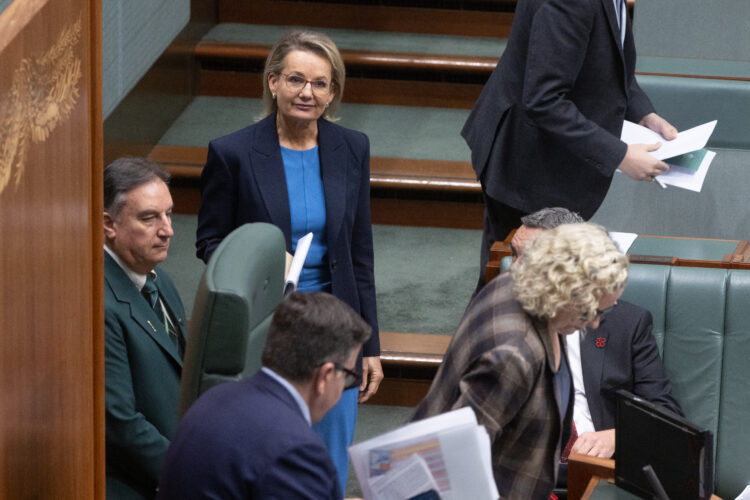

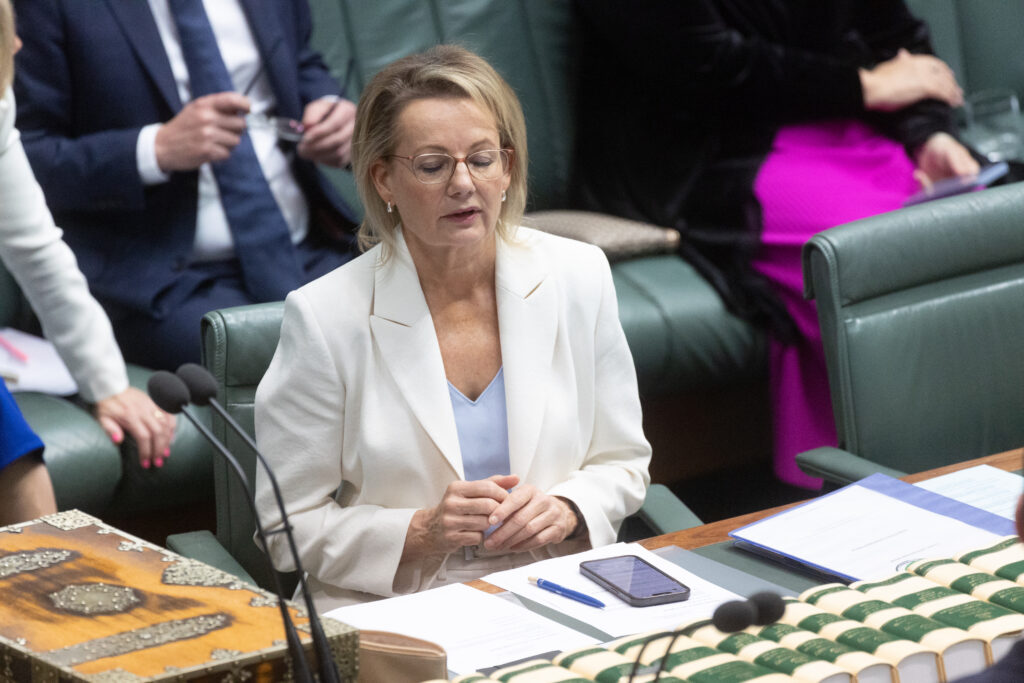
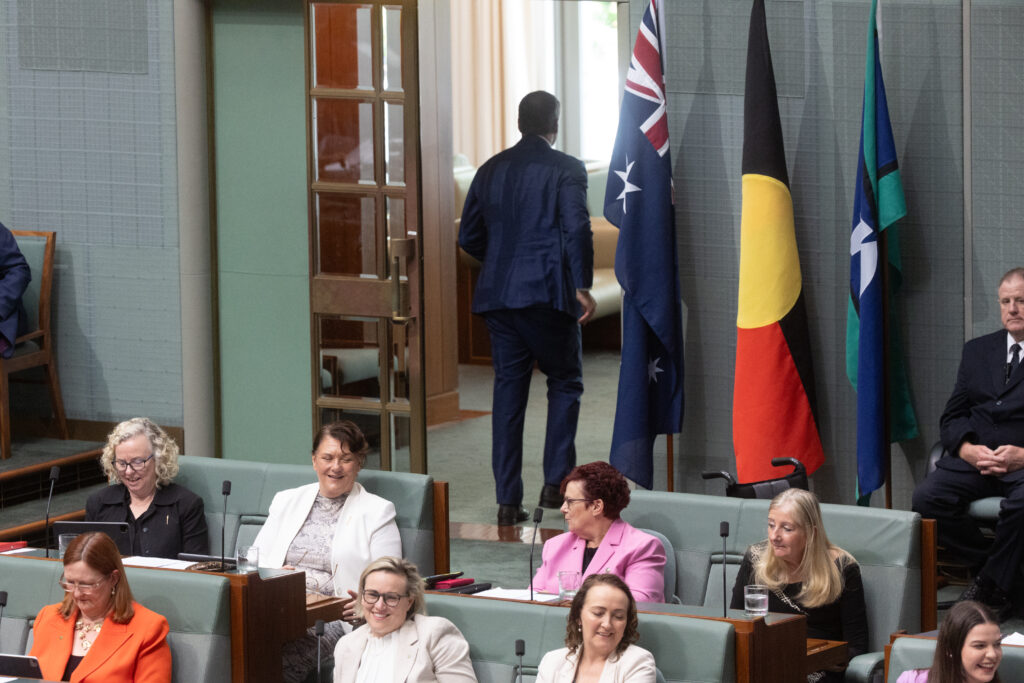
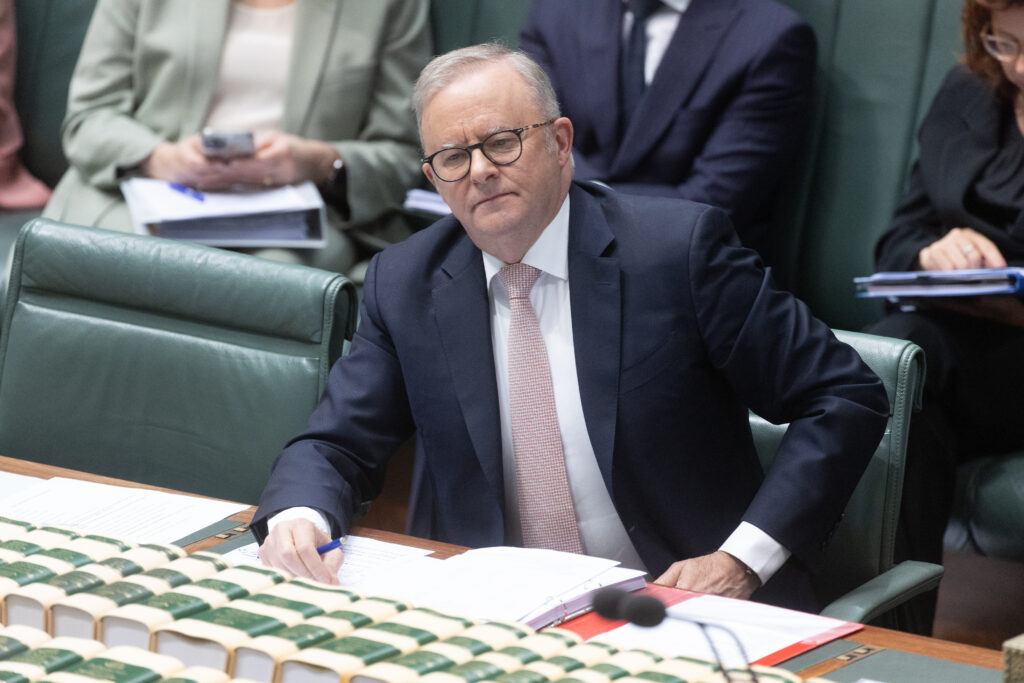
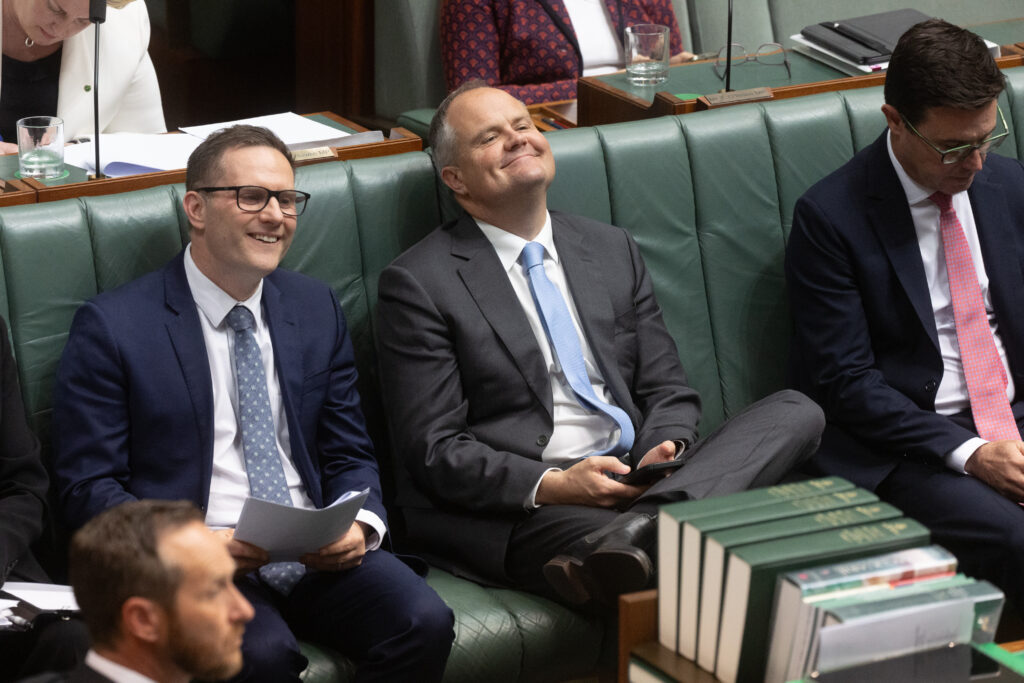
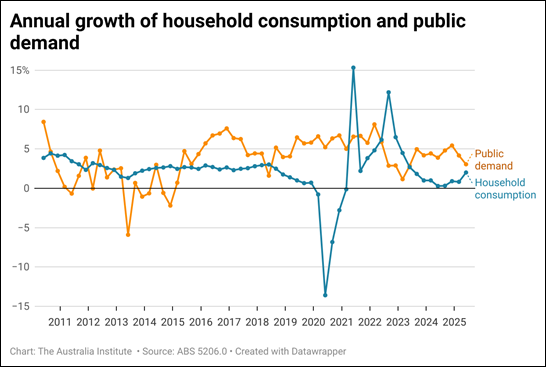
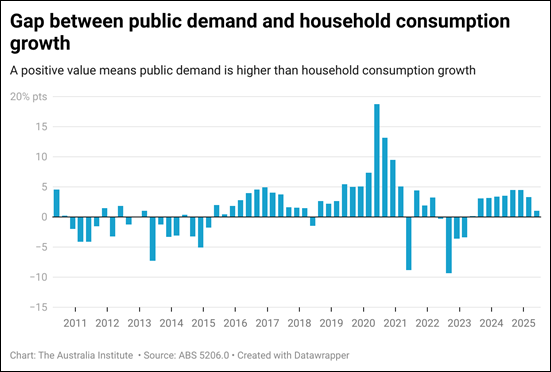
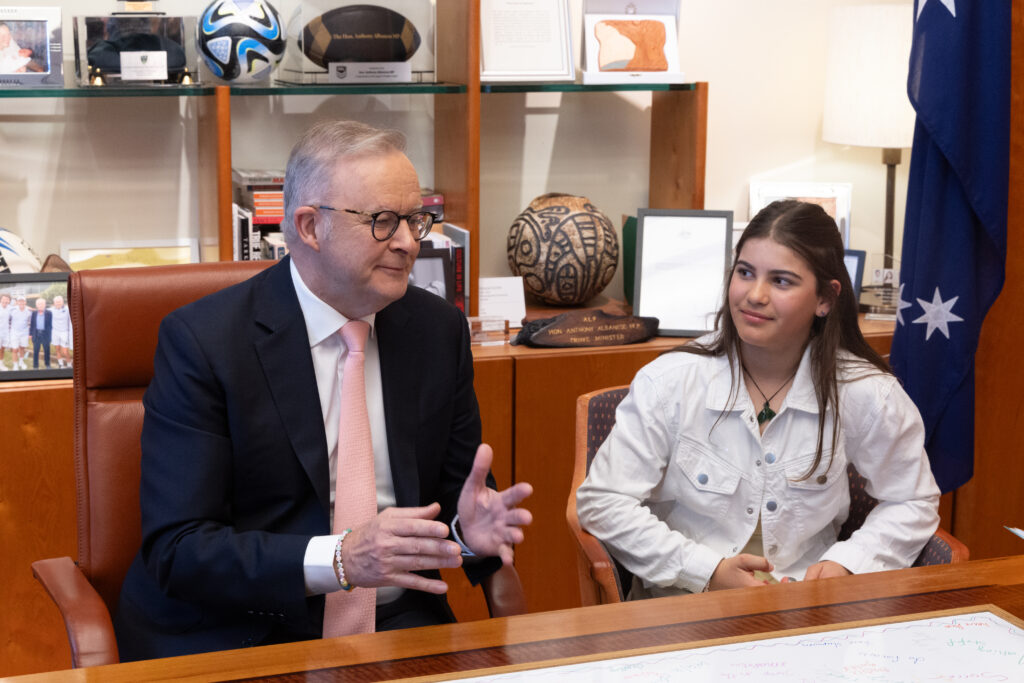


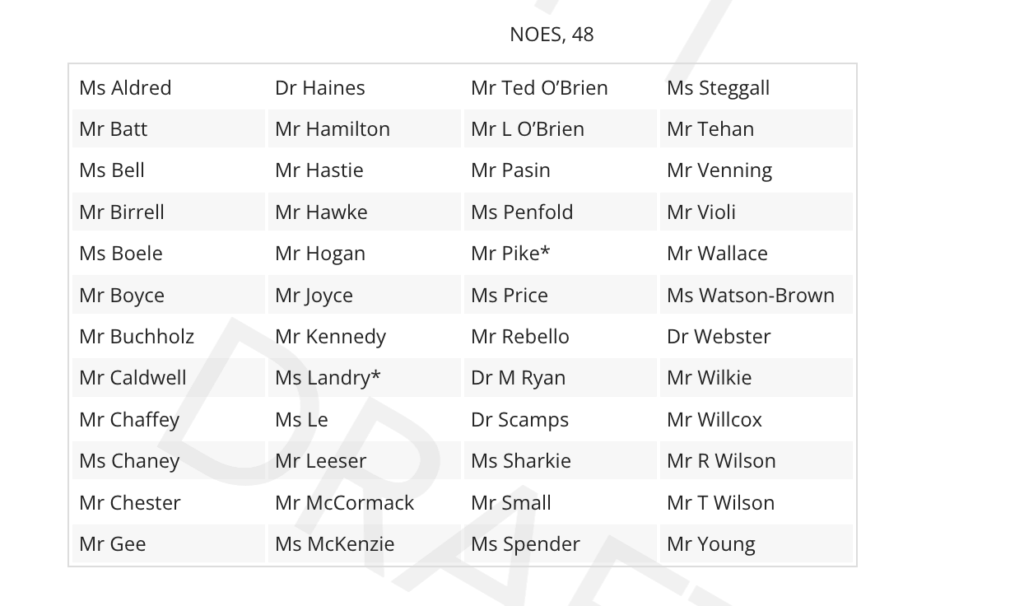

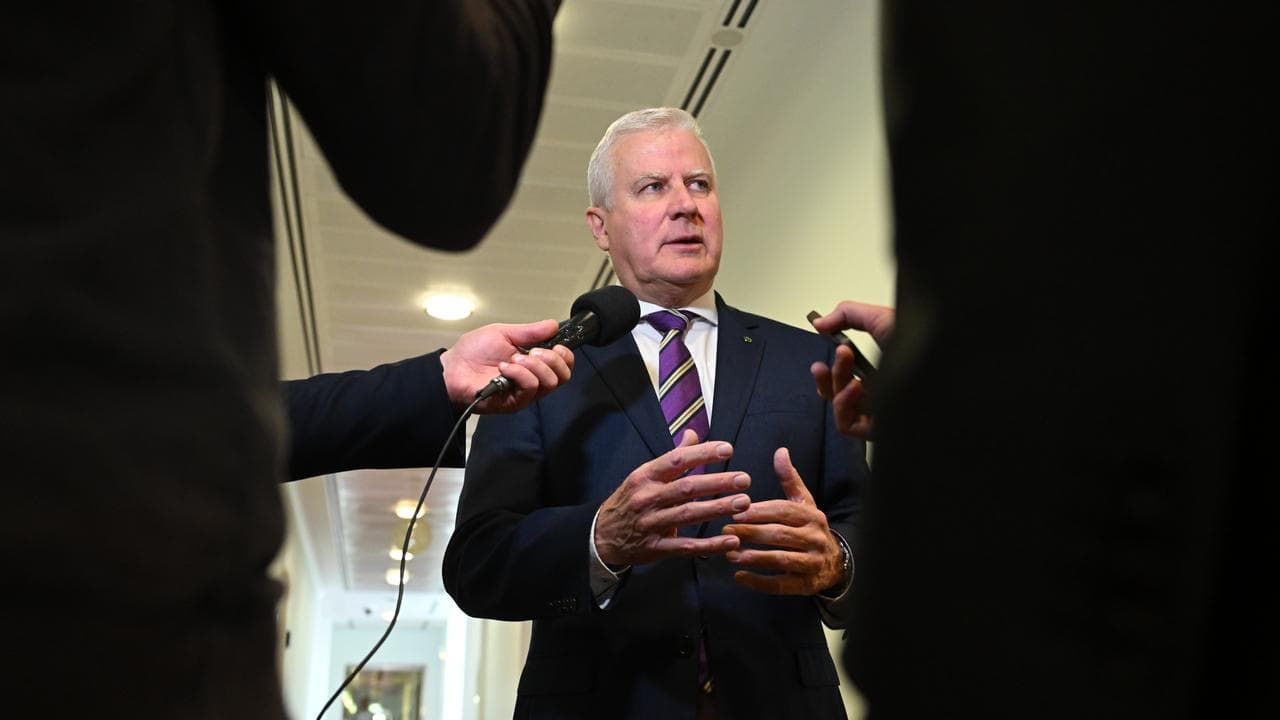
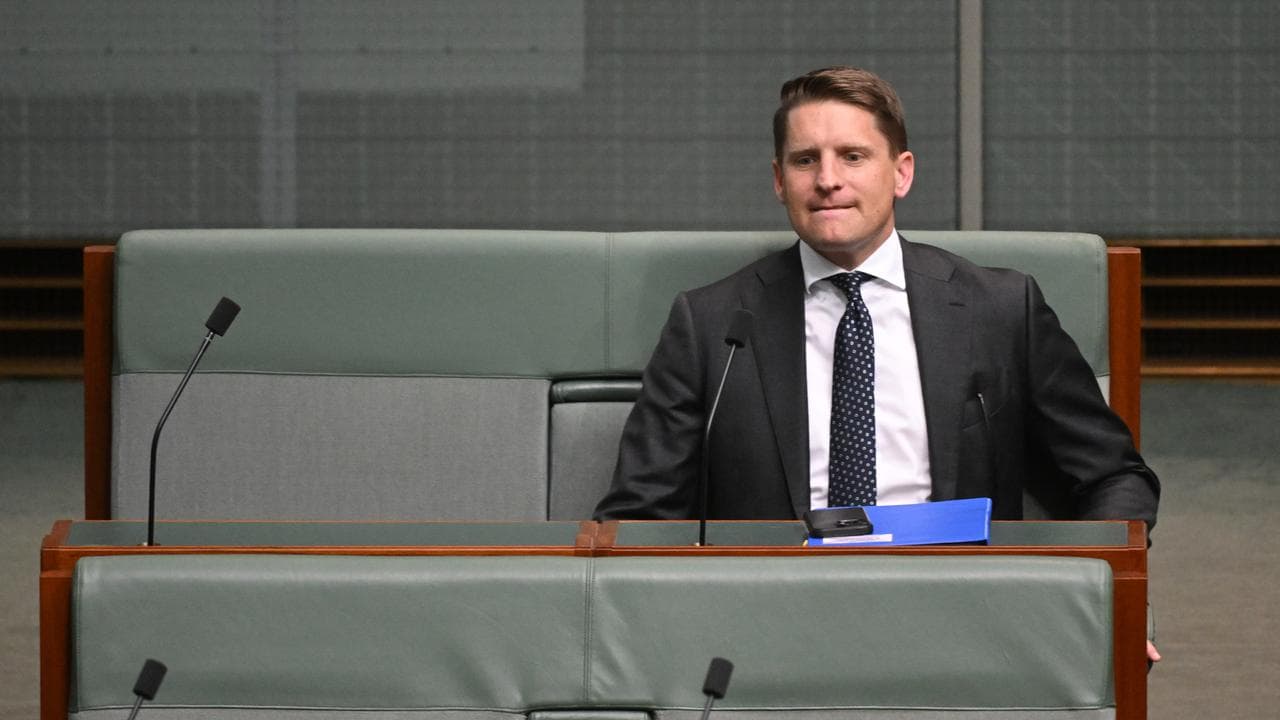
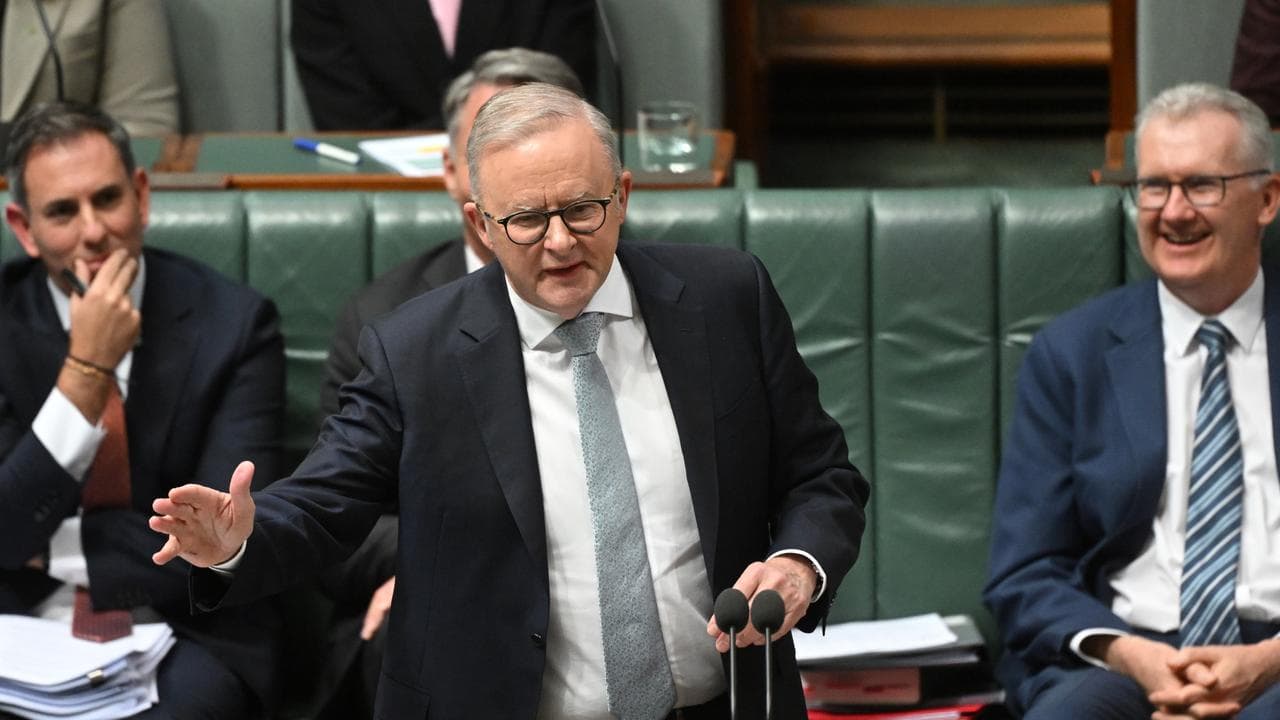
Comments
Start the conversation