We waited to see if there was anything worth bothering you with….and there isn’t really. You are across it all. Also, it is the Thursday of the second parliament sitting week, which is basically Friday and honestly – who has time for it? Or the will?
Not me.
Thank you to everyone who followed along with us – estimates is always a little bit more of a shambles than just the regular sitting week, but because of you we made it through. Almost. We will be back with the next sitting in two weeks, and of course please remember to check back to see what else is on The Point – just because parliament stops doesn’t mean the reports do.
It is going to be a rough few months – but we can all get through it together.
In the meantime – take care of you and those around you. Ax
16.33 AEST
David Pocock on ANU auditor’s report: ‘a tough read’
This report will be a tough read for the ANU community and everyone who cares about our national university.
It justifies the community’s outrage at the manufactured financial crisis and highlights how much anguish could have been avoided with better leadership and governance from Council and the former Chancellor and Vice-Chancellor.
According to the ANAO’s report, Renew ANU cost the ANU $34.7 million in redundancies and $1.2 million in advice from Nous, against a reported annual salary saving from Renew ANU of $74.8 million.
It is hard to see how this saving justifies the expense, uncertainty and ongoing reputational and cultural damage the ANU has suffered as a result of this ill-conceived, and as it is now confirmed, unjustified Renew ANU program.
The ANAO’s report highlights a swathe of failings, finding that Renew ANU was approved without a clear understanding of the problem, the options available, or the implementation risks.
It underscores the critical importance of reforming governance at our national university to ensure a governance failure like this is never be repeated.
16.18 AEST
Should tech founders be favoured under capital gains arrangements? They do well compared with the personal income tax.
David Richardson
In today’s press the federal independent MP, Monique Ryan, asks the rhetorical question “why a tech founder and a passive property investor should face the same treatment”.
Presumably the tech founder is regarded as hardworking and so more worthy than that passive investor. Of course, the income tax system income does not discriminate according to whether or not the taxpayer works hard, or whether taxpayers enjoy their work or not, or other similar consideration.
But a better comparison for the tech founder might be the difference between carrying on a business as a company versus carrying on a business as an unincorporated entity, perhaps in a personal capacity.
As a company tech founders have a choice whether to pay all the profits to themselves as dividends or to keep some of the after-tax profits in the company. If they leave some of the profits in the company, then there will be no more tax so long as the profit is not distributed to shareholder/s.
Given the lower tax rates and other benefits from incorporation the tech founders are generally better off by incorporating and keeping their profits away from the personal income tax system. We might question the fairness of that.
The tech founders themselves may well work hard and they have the option of paying themselves more as a “reward”. However, because the personal tax is higher than the company tax rate it is unlikely the tech founders will avail themselves of that option. Indeed, if the company is sufficiently profitable and grows to a reasonable size the owners may prefer to live off loans from the company on which no tax is payable. This can get technical and runs into arrangements made to counter tax avoidance by these means. But the possibility may remain in some circumstances.
It needs to be remembered that capital gains tax only applies when the shareholders sell their company. Others such as former Prime Minister, Paul Keating, have made the point that tech founders are hardly motivated by the hypothetical proceeds of a sale if that eventually happens. Meantime the incorporated tech founders will have done very well compared with those who operate as sole traders and are taxed under the personal income tax system.
16.17 AEST
Estimates: the games are beginning
Greg Jericho
Senator Claire Chandler wants the RBA to say government spending is causing inflation (by increasing aggregate demand). Bullock is not buying into it.
It’s worth noting that in the latest GDP figures government demand is well down on what it was last year, and in quarterly terms didn’t contribute at all
15.52 AEST
The RBA is now before the Economics committee
Greg Jericho
Michele Bullocks presented an opening statement. You can read it all here. But here are some excerpts:
As you know, the Monetary Policy Board has increased the cash rate by 75 basis points in total this year. These increases have been necessary to tighten financial conditions and slow growth in demand in the economy to ensure we get on top of inflation. We’ve already seen some signs that this tightening is starting to work, though it will take around 1 to 2 years for the effects to fully flow through the economy. One of the channels through which monetary policy can often start to have an impact quite quickly is the housing market. Conditions in the housing market have eased in recent months and that partly reflects tighter monetary policy.
The RBA is he taking credit for house prices falling/remaining steady
Having said that, the recent increases in interest rates will have no impact on the increase in inflation already in train following increases in the prices of oil and related commodities. What these increases in the cash rate do, however, is to help to contain the domestic inflationary pressures and second round effects from higher oil and commodity prices.
But hey, they still raised interest rates!
I recognise that this is a difficult time for many households facing cost of living pressures.
But it is important that we bring inflation under control. If high inflation persists, it risks becoming embedded in price and wage-setting behaviour, particularly given the prolonged period over which underlying inflation has been above 3 per cent since the pandemic. That would result in more persistent inflation and would require even higher interest rates, and for longer, to return inflation to target.
High in flation hurts everyone. It reduces the purchasing power of all Australians and disproportionately affects those on lower incomes and the more vulnerable people in the community.
This is the standard line – we can’t actually cause inflation to fall right now, but we should hurt you now so later on you will feel poor and also worried about your job so you won’t ask for a higher wage rise.
However, forecasts are just that. And the outlook is highly uncertain. Alongside our most recent set of forecasts, we published two adverse scenarios that outline how the economy could evolve under a larger or more prolonged conflict in the Middle East. This would increase commodity prices further and would result in higher inflation and weaker growth than currently forecast.
While these are challenging conditions, the economy is still expected to grow, albeit modestly, even under these scenarios where oil prices are significantly higher than recent levels. Investment has been a bright spot recently and growth is expected to continue in sectors of the economy with strong structural tailwinds, such as software, data centres and renewable energy.
Strong tailwinds of datacentre investment. Cripes.
15.47 AEST
Estimates: RBA
While we were focused on the house, the RBA governor Michele Bullock has fronted estimates.
She has delivered her opening statement which is loooooooooonnnng.
Grogs is going through that for you now
15.39 AEST
The view from Mike Bowers
You can tell that it is the last Thursday of a sitting fortnight because everyone is looking cranky:
Opposition Leader Angus Taylor during question time in the house of representatives chamber of Parliament House, Canberra. Photograph by Mike Bowers. Thursday 4th June 2026.The member for Moncrieff Angie Bell is evicted from the chamber under standing order 94A during question time in the house of representatives chamber of Parliament House, Canberra. Photograph by Mike Bowers. Thursday 4th June 2026.The Prime Minister Anthony Albanese during question time in the house of representatives chamber of Parliament House, Canberra. Photograph by Mike Bowers. Thursday 4th June 2026.The Treasurer Jim Chalmers during question time in the house of representatives chamber of Parliament House, Canberra. Photograph by Mike Bowers. Thursday 4th June 2026.
15.36 AEST
New Zealand prime minister to visit
Anthony Albanese has announced his NZ counterpart is on his way for a visit:
Prime Minister Anthony Albanese will welcome the Prime Minister of New Zealand, the Rt Hon Christopher Luxon, to Australia on Saturday 6 June 2026 for the annual Australia–New Zealand Leaders’ Meeting.
The leaders will discuss economic resilience and measures the two countries can take to boost prosperity, including in the context of the fuel crisis.
The leaders will also look for opportunities to strengthen our Single Economic Market, deepen defence and security cooperation, and enhance cooperation in the Pacific region.
The last Australia–New Zealand Leaders’ Meeting was held in Queenstown, New Zealand in August 2025. This meeting will take place in Noosa, Queensland.
This will be Prime Minister Luxon’s third official visit to Australia. Most recently, Prime Minister Luxon travelled to Canberra in August 2024 for the Australia–New Zealand Leaders’ Meeting.
15.35 AEST
Australian Gaza flotilla humanitarians share their stories of IOF abuse
Just before question time, Gemma O’Toole, Julia Lamont, and Niamh O’Connor shared their testimonies of being detained by Israeli forces, and abused in custody, at a press conference at Parliament House. The Greens David Shoebridge stood with them. They had wanted a meeting with Anthony Albanese to discuss what happened to them while in custody and for Australia to do more.
Juliet Lamont shared some of her story
Juliet Lamont listens to her fellow survivors talk about their experiences. Australian women from the Flotilla to Gaza Gemma O’Toole, Freedom Flotilla Coalition participant and
Neve O’Connor, Global Sumud Flotilla participant and Juliet Lamont at a press conference in the mural hall of Parliament House, Canberra. Photograph by Mike Bowers. Thursday 4th June 2026.
15.28 AEST
It’s his party and he’ll leave under section 94a if the Speaker wants him too
Ok, that was a bit tortured, but I am tired.
Mike Bowers caught Julian Hill celebrating – and then being kicked out of the chamber for props. Happy Birthday Gemini!
The member for Bruce Julian Hill dons a birthday hat during question time in the house of representatives chamber of Parliament House, Canberra. Photograph by Mike Bowers. Thursday 4th June 2026.The member for Bruce Julian Hill dons a birthday hat during question time in the house of representatives chamber of Parliament House, Canberra. Photograph by Mike Bowers. Thursday 4th June 2026.The member for Bruce Julian Hill dons a birthday hat during question time in the house of representatives chamber of Parliament House, Canberra. Photograph by Mike Bowers. Thursday 4th June 2026.The member for Bruce Julian Hill dons a birthday hat during question time in the house of representatives chamber of Parliament House, Canberra. Photograph by Mike Bowers. Thursday 4th June 2026.
15.20 AEST
Question time ends
Anthony Albanese finishes on a dixer outlining all the things the government want attention on – the urgent care clinics, the cheaper medicines, the tax changes, bulk billing, free tafe, the Australian housing future fund etc.
It’s a rah rah before the the two week break, but it is interrupted by Milton Dick booting out Angie Bell for interjecting.
But we have heard it all before.
So what have we learned? Labor seems a little more comfortable with pushing back against the Coalition and One Nation and defending progressive lines. It’s very, very modest, but it is there. Which means there has either been an acknowledgment that the communications need to change, or some ministers are starting to do it on their own. Either way, it is a shift.
The Coalition though – they don’t know where they are going yet. They don’t have too much longer to work it out before they are swamped by One Nation.
15.16 AEST
Albanese still defensive on gambling
Zali Steggall asks Anthony Albanese:
To the Prime Minister, following on from the member for Wentworth’s question on Tuesday, and the very vague answer received from the Minister. To be very clear, will the government ban be true to the Murphy report and ban all inducements in gambling and gambling advertising to protect Australians from the predatory gambling industry?
Albanese:
I refer to the minister’s answer of this week, and I refer also to the measures that were put before the Australian people. We, I went to the National Press Club and announced what our policies were, and I note that people then, when we came back into parliament, said that somehow that was hidden. It’s a strange way to hide it. Going to the National Press Club, that’s what being accountable is all about. We’re taking action, we’re taking action, we’re taking action when it comes to problem gambling, more, more than any government in Australian history has, and the next comprehensive level of reforms will continue to engage, and I’ll continue to engage with people on the cross benches and across the parliament, as we have.
15.13 AEST
New One Nation MP gets his first question
David Farley asks Richard Marles:
Secure and reliable water resources are fundamental to Australia’s food security and our national defense capability. Has the Department of Defense provided any formal input into the review of the 2007 Water Act, the 2026 Murray Darling Basin Plan Review, and contributed to the development of the Australian National Food Security Strategy. And does the Minister consider water security a core defense capability for this nation?
Marles:
I thank the member for his inaugural question, and it is a very good question in terms of looking at those aspects of our nation which go to our national resilience, such as water security in scenes seeing through the lens of our national defense. The Defense Strategic Review that was handed down by the government
In 2023 or released by the government in 2023 made clear that what we must do in a way that we have really not done since the end of the Second World War is to look at the connection between our civil economy and our national security, to look at ways in which those elements which go to our national, our national resilience, contribute to our national security, and the point that you are making, I should say, the point that the Honorable Member is making is a good one, in the sense that in any given scenario or contingency, water security, food security, how our civil economy works in the context of that contingency is completely fundamental to whether or not we are able to make our way through that contingency.
Now, when to go back to the Second World War, this was an idea which was deeply understood, but the Defense Strategic Review made it clear that we really need to be exercising those national muscles again in terms of thinking about the future, and so that does go to the question of thinking about national, about water security in the context of our national security, as it does in relation to food security. It is about, in a sense, thinking about defense as a whole of government effort, and again, that is an idea which is repeated in the national defense strategy that we released a month ago.
We continue to work with all the departments and all the agencies around our government to look at the way in which they contribute to national defense, and that includes the departments responsible for water security.
15.04 AEST
O’Neil to LNP: ‘You can’t out One Nation, One Nation’
The LNP MP for Bowman (and close ally of former Queensland senator Amanda Stoker) Henry Pike asks Clare O’Neil:
Can the Minister confirm the Albanese Labor government has acted as a guarantor for 51,000 non-citizens to buy their first home?
These sorts of questions are so damaging for social cohesion. Sets up an ‘us’ and ‘them’ battle when the situation we are in is not the fault of migrants in any sense. O’Neil, to her credit, actually addresses this in her answer, which is not something we see often from this government. It shouldn’t take the rise of One Nation to bring Labor back to defending decency, but seems like a line has been found. Migrants are not eligible, unless they are permanent residents, which is a step toward citizenship (and a very difficult and expensive one at that)
O’Neil:
250,000 people around this country have the keys to their first home because our government backed in their aspiration. Now, Speaker, the member opposite asked about the role of migrants in this. Let me be really clear. Temporary migrants to Australia are not eligible for this program. I just want to be really clear for the parliament about who is eligible, Australian citizens and permanent residents of our country. I don’t want to be personal about the Honorable Member opposite, Speaker, because I understand how tactics committee work and I understand how that piece of paper ended up in his hands, but I just want to be really clear for Australians, permanent residents are not the cause of the challenges facing our country on housing, and any attempt to assert that they are is wrong. Those opposite can continue racing to the bottom against one nation, but I’ll tell you what, you can’t out One Nation, One Nation. You’re never going to be Pauline Hanson. I think it’s time that you accept it.
…I think we’ve clarified here that the people that the member opposite is talking about are permanent residents of our country. So, let me say again that those opposite can point the finger and blame the problems facing our country on permanent residence, that is not the position of those of us on this side of the chamber. What we see is communities of people, many of whom, who have lived in our country for decades, who have paid into our healthcare system, who have paid into our aged care system, and you know who’s got the problem here, it’s those opposite who want to take away the ability for these people to live as they should in our country. Speaker, and I want people to understand, especially our loved Chinese communities, our loved Indian communities around Australia, that what those opposite are talking about is a group of people who might have lived here for 30 years, and they are saying that they should not be eligible for aged care in our country.
I want to just say one more thing, and then I’m going to come back to housing. Those opposite need to learn that what’s heard in this chamber is not just heard in the electorate of Farrah, it’s heard in the electorate of Chisholm, it’s heard in the electorate of Hotham, it’s heard in the electorate of Reed, and I’d encourage them to be honest with the Australian people about where the challenge is facing our country.
The Coalition goes absolutely nuts at this and the faux rage roar for a moment manages to drown out their dog whistling.
14.52 AEST
Kate Chaney wants social media ban extended to AI chat bots
Kate Chaney asks Anika Wells:
It took 15 years to act on social media’s harm to children. Parents are now worried about a new threat: attachment hacking. Children are increasingly spending their formative years talking to AI chatbots that simulate emotional intimacy, which can cause deep psychological harm and erode critical thinking. Will this be covered by the proposed digital duty of care, or will the government extend its under 16 social media ban to sycophantic AI chatbots and companion apps?
Wells:
I thank the member for her question and for her ongoing interest and commitment to her advocating in this really important space. Australian parents are understandably worried about the rise of AI and what it means for their kids, and in particular for their teenagers, and chatbots and notify apps are just never things that we had to deal with when we were growing up. Right now, all digital platforms, and that includes AI chatbots, must protect young Australians from online harm, and if they don’t, they face a fine of up to $49.5 million from the Safety Commissioner.
Now, on top of that, we are restricting AI Nudify apps and unified tools, because there is absolutely no place for these abhorrent tools in Australia, and I hope we can all agree with that. Now, we have already seen one chatbot provider leave the country since we did this, because of the high bar that we have set. The digital duty of care builds on our world-leading online safety work to minimize online harms and to hold big tech accountable.
Last year we delayed access to social media, as you mentioned, until the age of 16, with 5 million accounts deactivated so far. We’ve quadrupled the eSafety Commissioners’ funding to ensure that they can enforce the law and to help Australians who face serious abuse online. Now, the social media minimum age law deals with really specific harms that come from social media, for in particular the big four, that’s algorithms, disappearing metrics, disappearing messages, popularity metrics, and endless feeds. Chat bots aren’t social media, they’re really anti-social media, in that there’s nothing social about them.
So we’re creating the minimum age for social media, and then the next step is legislating the digital duty of care, and under the digital duty of care, AI chatbots will have to adopt safety by design in principles in how they develop their tools from the start, and they will have to continue to have systems in place to protect young Australians from harm. So, the short answer to your question is yes, if big tech companies want to do business in Australia, they will have to abide by our world-leading online safety laws.
14.36 AEST
Chalmers is not having it today
The Nationals Pat Conaghan has a question for Jim Chalmers who is ALSO not playing today.
The chamber needs a break from each other, obviously.
Conaghan:
Experts are warning that the government’s broken promises will give the Treasurer sweeping extraordinary powers, including the power to scrap the tax offset. After repeatedly assuring Australians these tax changes were not on the table, why would small businesses and farming families trust the treasurer with sweeping extraordinary powers.
Chalmers:
If the honorable member knew anything about tax legislation, he would know that these are not extraordinary powers. The legislative instruments that are used to determine definitions in the tax system are disallowable by the parliament, Mr. Speaker. In the usual way, and I don’t remember hearing any of this from any of those opposite when governments of the opposite political persuasion had exactly the same kind of system, Mr. Speaker.
Now, if any of those opposite knew anything about tax legislation, they would know that big tax reform is done in tranches of legislation, and that the definitions are settled in legislative instruments, which can be disallowed by the parliament. Now, the problem that the member, that the member opposite asking the question has is just because you can get someone to write this rubbish doesn’t make it true, Mr. Speaker. It doesn’t make it true. There is nothing extraordinary about treasurers of either political persuasion settling definitions in this manner, and I’ve finished my answer, Mr. Speaker.
14.34 AEST
Albanese thanks Hastie for his ‘support’
Andrew Hastie is allowed to ask a question and asks the PM:
My question is to the Prime Minister. On the 26th of May, the Prime Minister said, quote, ‘We are also changing the capital gains tax regime to go back to 1999 End quote. Today, Senate estimates Treasury Secretary Wilkinson rejected the Prime Minister’s assertion by confirming a minimum 30% tax rate was not part of the pre 1999 system. Will the Prime Minister correct Hansard and admit his assault on hardworking Australians is much more punitive than the pre 1999 system?
Albanese:
I thank the member for Canning for his question. I also thank him for his support. I also thank him for his support, because on the 23rd of March, he said this: ‘I want to fight for my generation and the generations below. They see the housing market, particularly, is rigged against them, so there’s a policy debate to be had, but the politics has already bolted. Young Australians’, just listen to him, listen to him behind you.
Hastie has a point of order:
It was a forensic question, I ask that you bring back the Prime Minister, and while we’re, while we’re at it, can I please table…Hansard from the 26th of May, and today…
Dick tells him no and to resume his seat, because Hansard is available.
Albanese:
Yes, I’m speaking about the member for Canning, and what he said about capital gains and negative gearing changes. That is what he said. He said this: young Australians want to tear down the system because it doesn’t work for them, and if we’re not responsive to that as a party, we may as well become extinct. Perhaps that explains the return of the great dinosaur, Tony Abbott. Perhaps there’s a link there, Mr. Speaker.
Dan Tehan is upset now. Dick tells him to sit down.
I’m talking about the view, not just held by me and those on this side, but held helpfully by the member for Canning, that the system is broken and that there needed to be changed, and what we’ve moved from is a discount of 50% to the discount system that was in place prior to 1999 which was a discount system based upon real gains, that was what was in place, that is the fundamental difference between the two distinctions, and he yabbers away, Mr. Speaker. Non stop, non stop. What he should do, the leader of the.. what he should do, even if he won’t listen to people on this side of the house, he can listen to the people behind him, because soon enough you might have to
14.28 AEST
Factcheck: fossil fuel subsidies
Greg Jericho
Nicolette Boele asked about BHP getting nearly $700m in fuel tax credits. Chris Bowen completely ignores the question.
But it goes to the huge level of subsidies that Australian governments give for fossil fuel.
Our research found that in 2025-26 fossil fuel subsidies cost Australian governments $16.3 billion, an increase of 9.4% on the previous year.
This is a larger increase than the 7.6% growth of the National Disability Insurance Scheme.
Growth in fossil fuel subsidies is driven by the federal government’s Fuel Tax Credit Scheme, which cost $10.8 billion in 2025–26.
Growth of this scheme is expected to outstrip spending on a range of social services including disability assistance, child care subsidies and aged care.
The increase to $16.3 billion in 2025–26 from $14.9 billion in 2024–25 was driven largely by the Federal Government’s Fuel Tax Credits Scheme (FTCS).
The FTCS cost the Federal Budget $10.8 billion in 2025–26, up from $10.2 billion in 2024–25.
The FTCS is one of the most expensive items in the Federal Budget: it ranked 16th in 2025–26, above spending on the Royal Australian Air Force. It is Australia’s single largest fossil fuel subsidy, worth over $1 billion per year to the coal industry alone.
14.24 AEST
Fossil Fuel subsidies
Independent MP Nicolette Boele asks Chris Bowen:
The government handed out $622 million in diesel tax credits to BHP last financial year, and BHP after-tax profits were over 15 and a half billion dollars. Can you explain to Australians why one of Australia’s most profitable companies needs a 622 million taxpayer subsidy for diesel use, especially in the middle of a fuel crisis, when regular Aussies are feeling the crunch at the bowser
Because it is an independent and not a Greens MP, Bowen has to behave. So he says:
The government’s focus has been on supply, on securing fuel supply in the middle of a fuel crisis internationally, will be the first point I’d make. Secondly, the point I’d make is that the government has chosen to focus reducing emissions in heavy industry, including mining, through reforms to safeguard mechanism, which have now been operating for two years and have resulted in 5.8 million tons of avoided emissions, and importantly, are projected to avoid 17 billion litres of diesel being used between now and 2035 because we are putting in place the settings which will encourage those big emitters and big facilities to reduce their fuel use in a careful, methodical, and properly designed fashion.
What the government is saying is the price they paid to secure fuel ahead of any potential shortage because of Israel and the United States’ decision to bomb Iran, is to change nothing for fossil fuel companies at all, even as Australians pay the price.
14.17 AEST
Tim Wilson is still useless
Tim Wilson is still trying very hard to make his latest tax lies take off (we can say it because we are not in the chamber)
His question today is:
Today, the Albanese Labor government voted 11 times against lower taxes by voting against the Coalition’s tax-backed guarantee. Labor is locking in higher taxes for Australian workers year after year, will the Prime Minister be up front with Australians and admit his government voted to steal hundreds of billions of dollars in extra taxes from hard working Australians?
Steal is ruled unparliamentary, so he changes to ‘without a mandate’ which is just as ridiculous coming from Wilson, who led a campaign on the super tax changes, acknowledging that Labor had a mandate to do it, but saying he just didn’t care.
Mandates are bullshit. Even when a government has one, the Coalition won’t respect it, so why pretend it matters at all?
14.15 AEST
Julian Hill gets booted from chamber as birthday gift
Labor’s Julian Hill gets booted from the chamber – and on his birthday too – Milton is NOT playing today.
Which is amusing because back when Milton Dick was an opposition backbencher, it was Hill who was his partner in crime in chamber stunts and disruptions.
The chair, it has changed him.
14.12 AEST
Factcheck: Coalition tax lines
Greg Jericho
Angus Taylor’ $77bn in extra taxes” line is a bit of a made up number that does not deserve any credit.
He also going on about how the govt voted against indexing income tax.
This is because when government do cut income taxes they invariably do by more than is needed to account for inflation – but the good thing it they choose when to do it.
Dave found that if for eg the Howard government had indexed income taxes when it came to power in 1996, people on average wages would be paying $147 a week more in tax then they currently are. A School teacher would pay $8,925 a year more, a Nurse would pay 9,717 more:
This accords with my own research I did in the live blog a few weeks back that showed if the indexation had started in Howard’s last year of 2007, the tax thresholds would be a lot lower than they currently are (and thus people would pay more tax)
14.11 AEST
Question time begins
It is going as well as you would expect – the Coalition are concentrating on taxes and their made up lines about it, and Labor are talking about how incredible their tax bill is.
14.10 AEST
Publicly owned electricity like we had historically
David Richardson
There has been a call for “sovereign power” in proposals for publicly-owned renewable energy generation which would offer cheap renewable power for Australian industry. These proposals are contained in a report by the McKell institute written by Alison Pennington and Tom Probst.
The government is heavily involved in electricity but as a regulator trying to make a contrived and artificial market work as the textbooks say it should work. But no matter how many times the private electricity market is patched up, it still fails to deliver.
Specifically as the Australia Institute earlier argued, electricity policy has been based on “the idea that industries function most efficiently, and can best meet the needs of consumers, when the role of government is minimised, and key decisions regarding investment, technology, and pricing are left up to private, for-profit companies.” This policy failed spectacularly, the market solution delivered negative productivity growth, illegal and inefficient marketing practices followed, there was failure to coordinate long term supply and demand, as well as failure to control speculation in short term markets. One outcome is the enormous difference between wholesale and customer prices. For example, AGL’s annual report shows that for electricity it receives $94.3 per unit wholesale, but over twice that when it sells to large business customers and, for consumer customers, almost four times the wholesale price. The Australia Institute has argued that the cost of serving the different market segments cannot explain the differences.
We failed to learn from our history. Soon after the invention of electricity state governments stepped in to undertake the larger operations required for powering trams and street lighting that the private sector avoided. The exception was South Australia where the private sector did operate a state-wide business. However, outrage at the massive rip offs by the London-controlled Adelaide Electric Supply Co Ltd resulted in its nationalisation in 1946 under Thomas Playford, the Liberal Party Premier of SA at the time.
It is also worth noting that in the 1950s and 60s electricity supply was part of industry policy, inducing industry development with cheap and plentiful power. Demand was expanding so governments could build extra capacity knowing it would soon be utilised. We have learned that the private market cannot do that.
Given what we should have learned from our history it is important that the McKell Institute report is taken seriously.
13.48 AEST
Antoinette Lattouf on women who win
Angus Blackman
Journalist and author Antoinette Lattouf tells the inspiring stories of women’s courage and conviction – and how they have changed our country.
Recorded live as part of our Australia’s Biggest Book Club webinar series, Antoinette Lattouf joins Ebony Bennett to discuss her landmark legal battle with the ABC and her latest book, Women Who Win: Celebrating courage, conviction and change.
13.48 AEST
On tariffs
Greg Jericho
The trade news today is that the Trump administration is threatening to level a 12.5% tariff on Australia and a few other nations due to apparent failure to enforce prohibition against slavery.
The following 54 economies have failed to impose a legal prohibition on the importation of goods produced wholly or in part with forced labor and to effectively enforce such a prohibition:
Algeria; Angola; Argentina; Australia; The Bahamas; Bahrain; Bangladesh; Brazil; Cambodia; Chile; China, People’s Republic of; Colombia; Costa Rica; Dominican Republic; Egypt; El Salvador; Guatemala; Guyana; Honduras; Hong Kong, China; India; Iraq; Israel; Japan; Jordan; Kazakhstan; Kuwait; Libya; Malaysia; Morocco; New Zealand; Nicaragua; Nigeria; Norway; Oman; Peru; the Philippines; Qatar; Russia; Saudi Arabia; Singapore; South Africa; South Korea; Sri Lanka; Switzerland; Taiwan; Thailand; Trinidad and Tobago; Türkiye; United Arab Emirates; United Kingdom; Uruguay; Venezuela; and Vietnam.
Let’s just say at the outset this is bullshit.
If you think Trump gives one damn about slavery then you might want to cut back on huffing lead paint.
It is all about Trump wanting to get around the Supreme Court ruling that the tariffs he imposed last year were unconstitutional.
The US govt says it investigated all the countries. It didn’t.
They don’t even present any evidence specially for Australia but just lumps u in an “All other countries” category which includes “Algeria; Angola; Argentina; Australia; The Bahamas; Bahrain; Bangladesh; Brazil; Cambodia; Chile; China, People’s Republic of; Colombia; Costa Rica; Dominican Republic; Egypt; El Salvador; Guatemala; Guyana; Honduras; Hong Kong, China; India; Iraq; Israel; Japan; Jordan; Kazakhstan; Kuwait; Libya; Malaysia; Morocco; New Zealand; Nicaragua; Nigeria; Norway; Oman; Peru; the Philippines; Qatar; Russia; Saudi Arabia; Singapore; South Africa; South Korea; Sri Lanka; Switzerland; Taiwan; Thailand; Trinidad and Tobago; Türkiye; United Arab Emirates; United Kingdom; Uruguay; Venezuela; and Vietnam.”
And what is the finding for all these countries?
“The information available suggests that no other economy subject to these investigations has adopted measures to forbid legally the importation of goods produced with forced labor. Accordingly, all other economies subject to these investigations have failed to impose a prohibition on the importation of goods produced with forced labor.”
Uhuh. Any specific examples? Nope.
All of this of course is completely against the AUSFTA that John Howard was so damn proud of when he signed.
A free trade agreement that was better for the USA than Australia, win which we were forced to follow USA copyright laws that basically just protect major USA firms. And a free trade agreement that Trump doesn’t give a damn about. Not sure why we still do…
But hey, at least we still have AUKUS right? Right???
13.20 AEST
Living standards
Greg Jericho
Senator Claire Chandler has decided that migration is the thing to focus on.
She notes wants confirmation on the population growth in the budget and point out that if population is growing at 1.3% in 2026-27 but household income is forecast to only grow 0.5% and doesn’t that mean living standards is falling.
She is right, but has it all arse about. Living standards are not falling because of higher population, they are falling because the Iran War has caused economic growth figures to be downgraded. Believing lower population growth leads to higher living standards is absurd.
Someone (I think Jane Hume calls out) “No one got poorer under a coalition”. Which. I mean. Cripes.
12.51 AEST
Susan McDonald struggles to grasp the difference between growth and total.
Greg Jericho
LNP Senator Susan McDonald has arrived at the Treasury estimates and is taking up the same points she was trying to make yesterday to the Dept of Industry, Science and Resources. She wants to know why mining investment growth is being forecast to be 0% growth and why isn’t Treasury panicking about that given the sector “pays Australia’s bills” (it doesn’t – personal income tax is the biggest revenue item in the budget, by miles).
The Treasury official points out that yes, the growth is flat but that is because the level of investment is already very high:
They don’t point out (though I would) that new mining investment has stayed pretty flat since 2017 after the end of the historic boom in iron ore. Not sure who was in government in 2017, maybe Senator McDonald could ask someone.
12.41 AEST
Treasury bill through
Now on to the senate.
For the record, here are the noes.
12.35 AEST
Productivity debate continues but misses the whole point
Greg Jericho
In the Treasury estimates Senator Jane Hume is wondering about wage growth and inflation and if the forecasts for wage growth and productivity means that wage growth is causing inflation to rise.
There’s a fair bit of back and forth that is a bit technical but it is worth noting that one of the reasons why overall productivity growth as measured by the ABS is weak is because it takes into account non-market productivity:
The non-market sector are things like education, health and social care and of course public sector work.
This looks like the non-market sector is a “drag” on overall productivity and as a result hurts living standards (because higher productivity notionally leads to higher real wages and incomes).
But a paper just published in the Economic and Labour Relations Review by The Australia Institute’s David Richardson very rightly asks the question of why the hell should we care about “non-market sector” productivity – especially when talking about living standards and wages?
He notes that when estimating real incomes, we use an inflation adjustment based on prices in the market sector, and therefore, to be consistent, we should use only use productivity in the market sector. He argues the contribution of productivity in the non-market sector should be excluded, not because it is any less important, but because it is both unmeasurable and its allocation does not take place through market transactions.
What he means is – how can we really measure productivity in say aged care? Productivity is easy to measure when you are for eg manufacturing a car. You can count how many cars are made in how many hours of labour and how much machinery etc was needed to be invested in to do so. Same with mining – tonnes of iron ore per hours of labour. Easy peasy.
But if you have 4 people caring for 20 aged care patients and then you sack 1 and so now 3 workers care for those same 20 patients has productivity really improved? Unlikely, because the quality of care will have inevitably fallen. So let’s say some economist say we should “adjust for quality”. But how do you measure quality? We can try but it involves a lot of subjectivity and rather renders the whole process pretty pointless. Dave also notes that costs of services are measured as outputs, but in an environment where costs of these non-market services are often either low or flat, that inevitably leads to lower productivity growth.
Unfortunately, the heads of our economic institutions think otherwise and believe non-market sector productivity needs to be raised.
Dave quotes the head of the Productivity Commission Danielle Wood saying “as those sectors [low productivity government service sectors] expand as a share of the economy, as they inevitably will, that will drive down productivity overall, and you have got to work harder elsewhere”.
Dave notes that we only care about productivity because of its link with living standards and living standards are really about our ability to purchase things (ie thing in the market).
As a result, worrying about non-market productivity is pretty pointless for talking about living standards and it also can have the unintended (perhaps!) consequence of reducing the quality of non-market services such as aged care etc all because some economists think we need to improve productivity in a sector that actually has no impact on our living standards.
12.31 AEST
Pointy end of budget bill passing through the house
Having accepted no amendments to the budget bill, Jim Chalmers has now asked for the bill to be read a third time and the question to be put.
Which means – it is about to pass.
That’s when the real stuff happens, with the senate playing hardball on both sides, for different reasons.
12.25 AEST
One Nation needs to state its position on the US: Pocock
When it comes to Trump, Pauline Hanson admires him and has sought to emulate him, and join his networks, as much as possible.
The Australian public though, are not as big fans.
Which means while Hanson is happy to rub shoulders with Trump and his cronies at Mar-a-Largo, she doesn’t get into it too much in Australia.
But David Pocock says she shouldn’t be able to hide from that much longer. Asked about the latest round of tariffs he said:
I mean, it’s the Trump administration. Like surely nothing should surprise us, it seems short on detail, and just yet another announcement, and who knows what will actually happen.
And then on whether Hanson should be made to answer for her own position on it, Pocock said:
Yeah, sure. I mean, that’s up to her. I think if you’re vying to be a party of government as they are, then yes, she should absolutely be clear on our position to the US.
12.19 AEST
Pocock: Split the bill
When the budget bill gets to the senate, David Pocock wants to see it split.
We’ve seen huge changes introduced by the government, and they are actively avoiding scrutiny. I think the Senate should do its job and actually split this bill. For the changes to housing, the case has been well made. The WATO, the $250 for working Australians, those things should be able to pass. We should take more time to look at the rest of it, to look at the broad changes to CGT across all asset classes, and just make sure as a Senate, that we get that right.
And he says he’ll work with whoever to try and make that happen:
One of the things I love about being an independent, is you can work with everyone, and so I’ll be working with all of my colleagues on this. Scrutinising the detail, doing the job that people elect the Senate to do to actually make sure that these changes make sense, that we are minimising unintended consequences and getting it right.
…I’ll engage in good faith in the Senate inquiry process. As I said, the government has tried to stitch up a really short Senate inquiry process that doesn’t cut it. These changes are complex, they do need time, and we should be looking at the impact on things like startups and small businesses. Canberra is the startup capital of Australia, and I want to make sure that we are not cutting off capital that is desperately needed to grow startups here in Australia to critically make sure that they stay here.
A journalist then asks the old chestnut about whether the Greens will let the perfect get in the way of the good. But it’s strange how no one ever seems to ask how constant compromises passes the bad, without the good.
Pocock:
I think the case, as I said earlier, has been made on housing. Australians understand that we’ve got a housing system that is not working for us, and changing the tax settings has to be part of that. I think it was really smart to actually incentivise new supply in housing through our tax system, and so I welcome that. As someone on the crossbench, I’ve been making the case to change our tax rules around investment properties since I was elected four years ago. So I fully support that, and really welcome the Treasurer bringing that forward.
It was a shock to everyone that that was across the board, and I don’t think one, the case hasn’t been made, and the details haven’t been sorted out, and it’s not good enough for a government to basically say let’s ram this through parliament, and the Treasurer will just make rules down the track and sort things out. The Senate is elected to actually make sure that we get it right.
12.05 AEST
Mandatory body-cams for cops latest example of ‘Four Corners effect’
Skye Predavec
On Monday the latest episode of Four Corners, ‘Brutal Force’, detailed a series of disturbing cases of police brutality since 2020.
And on Wednesday, NSW Police proposed moving to the mandatory use of body-cameras for its officers.
Currently, NSW Police officers can turn body-camera on and off as they wish, meaning they are able to avoid catching brutality and other misconduct on camera, as documented on Four Corners.
This change is long overdue – the NSW Police watchdog has been pushing for it since 2023 – and brings NSW Police body camera policies in line with all other states bar WA.
It’s also the latest example of the Four Corners effect: where public interest journalism from the ABC has placed scrutiny on issues that governments would prefer to ignore, prompting government inquiries, investigations or reforms.
In 1987, for example, a Four Corners investigation revealed extensive corruption within the Queensland police force. This prompted the Fitzgerald Inquiry, which spent two years investigating systemic corruption and abuse of power. The “most successful inquiry in Australian history” saw four ministers jailed, many police officers convicted, and former premier Joh Bjelke-Peterson charged with perjury.
Banking bad, the 2014 Four Corners investigation that revealed a “sales-driven culture” within the Commonwealth Bank’s financial planning division, helped prompt the Senate inquiry that went on to recommend the Financial Services Royal Commission.
In 2018, Prime Minister Scott Morrison announced a Royal Commission into aged care the day before Four Corners released its two-part series on aged care (Who cares), in a move described as “pre-empt[ing]” Four Corners.
And now, Brutal Force joins the ranks of influential Four Corners episodes. Its revelations, including that only 2% of the 5,000 findings of misconduct following internal investigations from 2019 to 2024 led to charges against an officer, are harrowing.
Body-cam policies will help, but not fully address, the culture of police brutality and unaccountability that Four Corners has exposed. Hopefully the Four Corners effect has further to go.
12.04 AEST
Modelling shmodelling
Greg Jericho
Liberal Senator Claire Chandler is back now asking Treasury officials about the forecasts in the budget and that the forecast take into account the tax changes. She wants to know if the tax changes improved GDP growth forecasts.
The official says in aggregate they didn’t change the forecast, but they did increase the forecast for housing supply (but that overall there are a heap of things going in the forecasts and so they did not affect the overall GDP growth forecast).
She then asks about productivity and the Treasurer official says the tax changes were consistent with the median term growth of 1.2% annual growth.
Chandler then asks but doesn’t that mean if there were no CGT changes etc then productivity would still be 1.2%.(ie the changes do nothing for productivity)
The official says yes, but what has changed is Treasurer’s confirms that 1.2% growth will occur. Without the changes they would have been less confident.
While this might all seem very important. The reality is that economic modelling is all a bit dependent upon what you put in and forecasts are just that.
Chandler then wants to know why the RBA’s forecasts are different to the Treasury’s.
The departmental official points out the RBA’s are year ended numbers, and Treasury’s are financial year average numbers and that does often produce differences, but she notes that the Treasury’s forecast for real GDP are more optimistic than the RBA’s but not for nominal GDP growth.
12.03 AEST
NFF responds to paraquat controversy
There has been quite a lot of media attention about the use of the chemical paraquat, which is banned in a lot of countries around the world, but not Australia where it is used by agriculture businesses to control weeds. It is not new – many groups have been trying to raise awareness about what is used in our food and flower production, which is not used elsewhere.
It’s gotten big enough on the socials that the National Farmers Federation president Hamish McIntyre has had to officially respond:
Farmers take their responsibility to protect people and the environment seriously. This is not just a principle, it’s fundamental to running a viable farm business. Without healthy people and a healthy environment, there is no food and fibre production.
We acknowledge the recent reports in the media about paraquat. It is absolutely critical the products farmers use are safe for both people and the environment.
It’s important to recognise how much has changed over time. Modern agriculture operates under stringent regulations, including strict restrictions on chemical application systems, mandatory PPE, and certification or training requirements to use chemicals like paraquat. These science-based safety regulations protect farmers, others, and the environment.
In Australia, decisions about agricultural chemicals are made by the independent, science-based regulator, the Australian Pesticides and Veterinary Medicines Authority (APVMA).
The APVMA continuously reviews the latest scientific evidence from Australia and around the world against our unique Australian conditions. This determines what products can be used and under what conditions.
The NFF unequivocally supports the role of the APVMA as Australia’s independent regulator. Farmers rely on that independent process, just like pet owners rely on the APVMA to decide which medicines are safe for their animals. We are not scientists, but we have a responsibility to follow the rules, use products correctly, and continually improve practices as new information becomes available.
Products like paraquat are an important tool for managing weeds, supporting efficient food and fibre production, and enabling environmentally friendly practices like no-till farming that protect soil health, reduce erosion and retain moisture.
This is particularly important in allowing farmers to sustainably grow the food we need in the face of increasingly variable seasons.
We don’t want to see farmers put at risk, so it is critical that regulatory decisions continue to be guided by robust scientific evidence, and that safety requirements are clear, practical and enforced.
The NFF will continue to support our members and the broader industry with clear, evidence-based information on what is a complex and sensitive issue, and reinforce the importance of trust in our independent regulatory system.
The APVMA’s decision following its review of paraquat will be handed down mid-year. Its most recent statement on paraquat is available here. The NFF’s submission to the review is available here.
11.58 AEST
Government now saying no to cross bench amendments on budget bill
The Treasury bill is moving through the amendments put up by the cross bench, but as previously reported, the government is not interested in making any amendments at this stage of the bill, so it is saying no to all of them.
Often the cross bench in the house will work with the cross bench in the senate on amendments, so if there are any that seem similar when we get to the pointy end of negotiations, that’s why.
11.45 AEST
Bragg wants to know about granny flats
Greg Jericho
Jenny Wilkinson ends her time before the committee with Senator Andrew Bragg wanting to know is a granny flat will be considered a new build. This is because new builds are expected to the changes to negative gearing and the CGT tax changes.
He cited a reply in Question Time by Housing Minister, Clarie O’Neil on Tuesday who was asked “If someone builds a new second dwelling on an existing title, is the whole title now considered a new dwelling?”
O’Neil replied “A new dwelling is one that genuinely adds new to housing supply.”
Bragg is wanting to suggest O’Neil has misled parliament, because a granny flat might not be eligible and yet he wants to suggest it does add to supply.
It’s all a bit how’s your father, because the key thing is whether you are renting out that granny flat (and thus claiming a capital gain when you sell the entire property). These types of things are handled in regulation and will likely apply to only a portion of the value of the overall property and also the time from when it was built etc.
Wilkinson notes that such things will be in the regulations and that her job is to talk about the macro aspects of the budget (ie economic growth, productivity, employment etc) and that the more technical question can be asked to other Treasurer official who e will be there later.
And after a brief few questions about some other matters which are also not really relevant to her roles she is excused and the morning tea break begins!
11.33 AEST
Treasury laws making its way through the house
Some of the final votes are happening on the treasury bills – the amendments are being put up and rejected (the government won’t make any changes here, if indeed it makes any) but it does give the Coalition something to do and some sense of control in a world full of chaos.
11.29 AEST
The view from Bowers
Here is some of where Mike Bowers has been this morning:
Opposition Leader Angus Taylor, Nationals Leader Matt Canavan with Senator Andrew Bragg and ACT Liberal Senate candidate Nick Tyrrell visit a unit for sale in Narrabundah with a real estate agent. Photograph by Mike Bowers. Thursday 4th June 2026.The Secretary of the Treasury Jenny Wilkinson before the Senate Economics Legislation Committee in Parlaiment House in Canberra this morning. Photograph by Mike Bowers. Thursday 4th June 2026.Finance minister Katy Gallagher before the Senate Economics Legislation Committee in Parlaiment House in Canberra this morning. Photograph by Mike Bowers. Thursday 4th June 2026.The Secretary Of the Department of Foreign Affairs and Trade Jan Adams before the Senate Foreign Affairs, Defence and Trade Legislation Committee in Parlaiment House in Canberra this morning. Photograph by Mike Bowers. Thursday 4th June 2026.
11.24 AEST
Estimates: We were wrong – it gets even stupider
Greg Jericho
Senator Claire Chandler tries to misquote Jenny Wilkson, which is rather silly.
Chandler notes that Wilkinson in her speech said “revenue needs to be raised from somewhere” and wants to know if that is reflective of “the government’s fiscal strategy”.
Wilkinson replies that the full line was “In some instances, this may largely reflect the fact that individuals are sensitive about paying additional tax, which is understandable. But revenue needs to be raised from somewhere and taxes applied to labour income also have economic impacts.”
Which was about pointing out that if revenue is raised by increased tax on labour income that will have other adverse economic impacts.
Chandler then says “but the reality is the government is in a position where it has to raise taxes to pay for their reckless spending”. Sigh.
Wilkinson replies that “all governments have to raise revenue”.
This is the type of questioning that really makes a mockery of the whole process.
Chandler is acting like she is some lawyer catching a witness in a trap, Wilkinson is pointing out very politely that Chandler’s questions are ignorant.
The really big numbers are based on an off-the-cuff comment in a 60 minutes interview by a controversial former AFP officer.
Others come from wannabe MAGA social media creeps, amplified by News Ltd.
Fraud in the NDIS isn’t any worse than in the rest of the tax system, but it’s been blown up because the government’s own research found the public had “strong resistance” to NDIS cuts based on “discussion of cost alone”. So instead “when we presented rorts, fraud…respondents were amenable to reforms”.
Estimates: Will the CGT changes help productivity? In the long run? Probably yes.
Matt Grudnoff
Back in estimates
Senator Matt Canavan is asking about whether the changes to negative gearing, capital gains tax, and trusts will increase productivity.
This is an interesting question. The answer in the long run is probably yes.
The 50% capital gains tax discount has driven people to borrow money and buy mostly existing housing. Buying existing housing does nothing to increase productivity. The housing already exists. The borrowing is just being used to push up house prices.
The result of this is that the proportion of borrowing going to mortgages has been going up and the proportion of borrowing going to businesses is going down.
One of the largest complaints that many businesses make is how difficult it is to get a loan from a bank.
Business investment mainly comes from borrowing, and it is the main driver of productivity. Business investment includes upgrading equipment and improving production processes. All these can increase productivity.
This means that speculation in housing is drawing money away from productive business investment towards unproductivity mortgages for existing houses.
Reversing this will stop speculation in housing and free up money that can then flow to business investment.
11.15 AEST
Estimates: It is getting very stupid
Greg Jericho
Liberal Senator Claire Chandler think she has some big scandal. She doesn’t.
She is asking about a document that had been circulated to media by the Treasurer that essentially fact checked some of the scare campaigns about the CGT changes.
She wants to know who asked for it. Jenny Wilkinson can’t say if it was her or the Treasurer who asked for the production of the document. She points out that it is very standard practise for the APS to do this type of thing (speaking from experience, it is). Ministers and the departmental exec often want explainers, fact-checks etc of new legislation.
Chandler wonders why the paper does not have a Treasurer letterhead on it. Wilkinson says it is official Treasurer advice. Chandler wants to know if the intention of the document was to go to media or was it for the Treasurer. Wilkinson says it was created in response to a range of questions that had been raised. The Treasurer then sent it to journalists (as is their right). Chandler wants to pretend it was created purely to give to a journalist.
This is all very stupid. Public servants produce information and advice for ministers – often that is in response to questions that are being circulated. The Minister can use those as talking points that they use in answers to journalists, or they might think it worth just giving to the journalist – especially if it has technical details.
Cripes.
11.13 AEST
Accusations against Victoria’s duck hunting watchdog
Alice Grundy
Yesterday the ABC published a storyincluding allegations of bullying and turning a blind eye to illegal hunting practices in Victoria.
It’s worth a read — and is a reminder of the potential hazards when there are loopholes in firearm law enforcement.
Notable in the story is the proposal from the Allan Government to create a new body, Outdoor Recreation Victoria, which would merge promotion and regulatory bodies.
The Australia Institute’s submissionto NSW’s hunting bill inquiry last year highlighted concerns about the role of pro-hunting bodies. While the Minns Government has introduced some of the strongest firearm legislation in the country following the horrors of the Bondi Massacre, drastic weakening of firearm legislation was close to passing earlier in 2025 — with strong support from hunting groups.
A very small fraction of Australians participate in hunting, while pollingrepeatedly shows that most Australians across the political spectrum want strong firearm legislation that is effectively enforced.
11.12 AEST
Estimates: Schrodinger’s housing market
Senator Andrew Bragg is now up to ask Jenny Wilkinson some questions.
Bragg is very much not a fan of changes to the CGT tax.
In the senate committee looking into the tax of the CGT he represented the Liberal Party and came up with he gloriously wrote that:
“Supply of housing has collapsed in Australia as the population has surged. Supply is at the heart of the housing crisis, as repeatedly stated by representatives from the housing sector during the hearings.”
And then 4 sentences later wrote “The Coalition believes the current CGT discount is working as intended and should not be changed. It supports more investment, provides an incentive for new construction, and helps boost housing supply.”
So apparently the CGT 50% discount that had been in place for 26 years had helped boost supply and yet the supply of housing during that time had also collapsed! Win!
11.11 AEST
Estimates: Jane Hume reaching
Greg Jericho
Senator Jane Hume is now trying to suggest that the tax changes were delegated to a particular minister and that means the process was rushed (this is based on a media report in the AFR that was mostly about Albanese and Chalmers at a bit of odds over the changes before the budget. Gee a Treasurer having to convince a PM to do something, who’d a thunk it!).
Hume is trying to get the Treasury Secretary to say this is what happened and wants her to say that the usual Expenditure Review Process did not occur.
Katy Gallagher comes in and says that Senate estimates never goes into how decisions were arrived at.
Hume in an incredibly bitchy questions asks “were there any other errors in the Budget or its supporting analysis?” This is referring to an error in the speech Jenny Wilkinson made to “Australian Business Economists”. She used a wrong number.
Wilkinson replies “There were no errors in the budget.”
Hume says “But there were in your speech” (which is unrelated, but whatever). Wilkinson replies that yes, a figure was wrong (and has been corrected) but not the underlying analysis behind it.
Hume really does reach Scott Morrison levels of undeserved smguness.
10.23 AEST
UN environment special rapporteur intervenes in the Federal Court
“Protecting the environment, protecting the climate system, making sure that access to justice, public participation, access to information is done well is a human right.
“This is exactly what the right to a healthy environment is and it is also essential elements for the rule of law, law and democracy.”
The special rapporteur’s submissions will be considered by the Federal Court when hearings resume in July.
10.17 AEST
Can the court of public opinion limit politicians’ use of travel entitlements?
Bill Browne
Daanyal Saeed at Crikey has a thoughtful piece on how federal politicians have recently been caught out taking advantage of entitlements (like travel allowance) – and then had to pay them back.
Do we need stricter, clearer rules and harsher penalties?
Well, as Mr Saeed points out, sometimes politicians have been forced to pay back expenses that were within the letter of the law, because they were judged as being against its spirit.
I take a rather conservative approach:
“Clear rules cannot protect a politician from the court of public opinion. And when a politician does do the wrong thing, the political blowback is likely going to hurt more than the repayment does. An alert but fair media is the best guard against misuse of public money.”
That said, as the Crikey piece points out, other countries have more prompt disclosures and higher penalties for breaches (the United States) or broader conflicts of interest rules (Canada).
And perhaps the government could play a greater role in provision, renting or building dedicated apartment buildings in Canberra for politicians and their staff. India does it. Direct provision might well end up cheaper than politicians and staff booking their own accommodation at market prices.
10.14 AEST
Estimates: Treasury
Matt Grudnoff
Senator Nick McKim from the Greens is up next.
He is asking about the legislation that will change capital gains tax and negative gearing. In the legislation is a curious clause that gives the Minister some interesting powers. The Minister of the day can exclude assets from the new provisions.
This means that the Minister can carve out certain assets and make sure they get to keep the old, more generous, capital gains tax discount.
For example, under the current proposals new builds get to keep the 50% discount and negative gearing. The legislation includes provisions that other assets could be included in with new builds.
Senator McKim wants to know why the Labor Party is giving a future Government the power to wind back these changes by including all assets in with new builds. This would effectively remove the changes to capital gains tax and negative gearing.
Katy Gallagher is pushing back saying that these changes are probably disallowable by the Senate. She says probably because I don’t think she actually knows much about this clause in the legislation.
Disallowable by the Senate means that if the Minister makes changes in this way, a majority of the Senate can vote is disallow those changes.
Secretary Wilkinson is saying that a different group in Treasury that is due to appear later will be able to give a more complete answer.
10.12 AEST
Ill-considered E-bike regulation an example of deregulation’s limits
James Watson and Bill Browne
We are seeing a sharp increase in e-bike-related injuries and deaths around Australia since the Commonwealth deregulated the vehicle’s safety standards in 2021.
As the ABC recently reported, e-bike-related visits to emergency departments in Victoria hospitals have risen by 400% since 2020. Sydney’s St Vincent’s Hospital has seen a similar increase between 2023-25.
E-bike sales have also increased – from 9,000 in 2017, to 200,000 in 2022, to an expected 300,000 this year.
This rise in both injuries and sales follows 2021 changes by Barnaby Joyce, the One Nation member for New England.
Five years ago, when he was the Deputy Prime Minister, Joyce changed the Road Vehicle Standards Act to remove a requirement on e-bikes to meet European standards. He did so without consulting Bicycles Industries Australia, the leading industry advocacy group.
It’s easy enough to rage against “red tape”, but this is a timely reminder that regulations often exist for good reasons – and the rush to remove them can cause real harm.
Canberrans still support decriminalisation of drug possession
James Watson
Three years on since the decriminalisation of small amounts of certain illicit drugs in the ACT, Canberrans mostly believe the reforms are reducing drug-related harm in the community, according to a recent survey by the ACT Government.
The ACT has a proud history of popular reform, including a swap from stamp duty to land tax, a transition to 100% renewable energy, pill testing at music festivals, and a ban on billboards.
Last September, the ACT Government surveyed 1,613 Canberrans to understand the community’s perceptions of the reforms. It was done as part of the YourSay panel, which is opt-in but not limited to a particular issue – so the Canberrans who were surveyed were not chosen at random, but nor did they volunteer to be asked about drug policy specifically.
Decriminalisation of small amounts of illicit drugs still aligns with Canberrans’ values: 64% of respondents were against possessors receiving a criminal record; and a majority preferred to education or treatment over incarceration.
Respondents were mixed-to-positive about the reforms’ effectiveness: 40% believed that the reforms were reducing drug-related harm, twice as many as disagreed (20%) and an equal share who were unsure or neutral (40%).
09.53 AEST
Most young people will be better off under changes says Wilkinson
Matt Grudnoff
Jenny Wilkinson is responding to questions that claim young people will be worse off under the tax changes. She says most young Australians make most of their income from wages.
This is important because if you earn most of your income from wages then you will be better off from this budget.
But the Coalition are keen to highlight edge cases of young people who also have large assets that earn them income.
Are there young people like this? Yes.
Guess what? Some young people are rich. There are much less rich young people than rich old people, but they still exist.
And to be very clear, rich people will still get a tax discount (i.e. they will pay less tax) on capital gains. But for highly speculative assets that rapidly increase in price, the discount will be a bit less.
But median house prices have increased an average of $60,000 per year over the last 5 years. If house prices flatten out, then young people trying to buy their own home are going to be around $60,000 per year better off.
09.39 AEST
The view from Matt G: why the 50% CGT discount has been so harmful
Matt Grudnoff
The Senate Economics Legislation Committee is on today and the economic nerds at the Institute (as Amy so charmingly described us yesterday) are excited to bring you all the good stuff.
Jenny Wilkinson, the Treasury Secretary, points out the problems with the capital gains tax 50% discount (in a very polite public servant way). She points out that it overwhelmingly goes to those at the top and younger people are missing out.
She points out that if it was designed to compensate for inflation it is doing a bad job because it sometimes overcompensates for inflation and sometimes under compensates for inflation.
This is true. It has been massively overcompensating people who have been speculating on housing. But at the same time, it has done a poor job on other assets that are focusing on paying a regular income and not on capital growth.
This has meant huge increase sin house prices and less affordable housing. But also, underinvestment in other important parts of the economy including investment in business. This is an important part of the puzzle as to why productivity has dropped.
09.33 AEST
‘Hey Albo’ – women ask why Albanese won’t meet with them to hear their reports of IOF abuse
Australian women who were onboard the Flotilla to Gaza and reported being beaten, abused and sexually assaulted by the IOF after they were detained by Israel have come to Canberra to ask why the prime minister won’t meet with them.
Neve O’Connor, Anny Mokotow, Isla Lamont, Juliet Lamont, Dr Bianca Pullman-Webb, Gemma O’Toole, Violet Coco and Helen O’Sullivan will hold a press conference later today to ask why they aren’t being heard.
09.29 AEST
Who benefits from the CGT discount? The 1%
Greg Jericho
Jenny Wilkinson is talking in reply to a pretty obvious dixer about the tax changes.
She refers to some lifetime modelling of who benefits from the CGT discount and trust and negative gearing over their lifecycle.
It was very nerdy stuff, but really important research in the Budget Papers.
It found that over the course of their life someone in the richest 1% got 34% of all the benefits of the CGT 50% discount
It also found that someone in the richest 1% over the course of their life received a total benefit of $732,2563 from the CGT discount, negative gearing and trusts.
By contrast someone in the median percentile received just $12,356
09.24 AEST
Estimates: Treasury opens
Greg Jericho
Treasury Secretary Jenny Wilkinson (who tbh I think is pretty good at the job) makes an opening statement giving new information since the Budget.
She notes the Iran War is now clearly pushing up inflation and that some of Australia’s largest trading partners – such as China – are pretty safe given their oil supplies, but other especially in SWE Asia are less protected.
Right now, she notes, everyone is drawing down their inventories, but she notes at a certain point the backroom will be bare and prices will definitely rise.
She also talked about the GDP and how it was mostly driven by the strong investment in datacentres, but cyclones affected exports.
She points out the March quarter doesn’t really capture much of the impact of the Iran War and that there is a fair increase in volatility of a lot of data.
In April household spending fell – but a lot of that was due to the drop in transport spending – especially air travel.
She does not there is an expectation for a big increase in investment next year, but that’s mostly again due to datacentres.
She then refers to the ABS business sentiment which was brought back to check how businesses are coping with the war.
The results are here
Despite the rise in unemployment the hours worked remined good, and the job adverts data suggests it should not rise above pre-pandemic levels (basically above 5%)
She now gets ready to answer what will no doubt be scintillating questions.
09.19 AEST
Albanese thinks voters will turn away from a ‘right-wing partnership’
On the surge of One Nation, Anthony Albanese says:
Well, the Liberals, the Nationals and One Nation, are openly discussing being a right-wing partnership. Increasingly, we see them mould into one point of view. And I think that Australians, when they consider that, will look towards what chaos that would represent in Australian politics.
…For the Labor Party, we will always give voters respect, and we’ll always look towards how we can deliver higher wages, how we can decrease their income taxes, how we can be a party of reform, one that continues to have Medicare strengthened at the centre of our health system. One that, this year, began the move to fully and fairly fund every school, not just some. We’ll continue to drive the housing agenda, the biggest housing agenda that Australia has had since the post war period, and we’ll continue to engage as well, importantly in the sort of diplomatic representation as we saw yesterday when I hosted the Prime Minister of the Solomons, that looks after Australia’s interests in our region and the world.
09.17 AEST
Anthony Albanese on tariffs
The whole transcript from the PM’s interview with ABC’s AM radio dropped this morning:
On the tariffs:
Well, we’ve put our position very clearly which is that any tariff on Australian exports to the United States are unjustified, they’re inconsistent with our free trade agreement. And also, with regard to the specifics that have been put forward by their trade representative, Australia has robust, comprehensive and world leading legislation addressing forced labour and modern slavery. It’s been passed through the Parliament with unanimous support. We continue to use every opportunity that we have to advocate that US tariffs imposed on Australia are unwarranted. And of course, our view is that tariffs are actually a penalty on consumers in the United States. We produce very good products here in Australia that are in demand in the United States. But importantly as well, the United States has a trade surplus with Australia that it’s enjoyed for decades. And we continue to advocate for Australia’s national interests.
Q: Are you frustrated by this succession of proposals that keep coming from the US? You have to keep making these same arguments to your counterparts over and over again, it seems.
PM: There is an ideological disagreement where the United States administration has broken with what was a decades-long understanding that tariffs are not positive for the country that is imposing them, that they increase the costs of goods and services in the country that is applying them to its consumers, and that free trade is in the interests of the global economy. It’s in the interests of Australia. It’s also in the interests of the United States.
Q So, this is just a dispute you’re just going to have to keep having through the life of the Trump administration so long as he continues to try and push forward his belief on tariffs. Is that something you just sort of have to accept?
Albanese:
Well, importantly here, this isn’t Australia being singled out. There are many countries, 54 in fact, countries have been subject to this latest move. It’s one of which no notice was given. And one of the things that we ask for in international engagement, of course, is certainty. Australia and the United States are important allies. We have important economic, security relationships. And it is unfortunate that there have been a rolling series of decisions, some of which have been changed from time to time, but all of which do have a common theme, which is that the United States is a supporter of tariffs, argues that it is to its benefit. We actually think not only is it not in the interests of the United States, importantly, it undermines the global trading system.
09.14 AEST
Jim Chalmers on tariffs
Treasurer Jim Chalmers has done a doorstop this morning to talk about the budget bill about to pass the house – but he is asked about the US tariffs and says:
We maintain the position that these tariffs are unwarranted, they’re unjustified, and they’re inconsistent with our free trade agreement with the US, and we’ve made that case repeatedly. Now, when it comes to the specifics of the modern slavery laws, we’ve got world leading legislation in place already to combat the evils of modern slavery. This is the issue that the Trade Representative has raised. So we will continue to take every opportunity that we can to stand up for Australian exporters and to stand up for the workers and businesses in those industries, who would be right to consider these tariffs as unjustified, unwarranted, unnecessary, and inconsistent with our free trade agreement.
09.02 AEST
The view from Grogs: RBA and rates
Greg Jericho
As Treasury Secretary Jenny Wilkinson fronts up before the Economics estimates committee it should be remembered that she is on the RBA monetary policy board which last month voted 8-1 to raise rates. Was she the lone dissenter?? She won’t say of course (these things are kept private, which tbh I don’t think they should be).
I note this because in my Guardian column looking at the GDP figures and how most of the growth was driven by datacentre investment, we also have household spending per capita.
It was falling in the March quarter. That was the quarter you will remember that the RBA raised rates twice
So the RBA put the breaks on household spending which was *already* slowing.
Great job.
You can read the rest of my column and all the funky graphs here
09.01 AEST
Treasury estimates about to get underway
It’s the big economics day in estimates and the Treasury secretary Jenny Wilkinson is up in arms few minutes.
Later we’ll hear from Michelle Bullock
08.56 AEST
End the Big 4 consultancy contracts says Greens
Greens senator Barbara Pocock says the latest KPMG scandal shows the Big 4 consultancy groups are making a “mockery” of the parliament:
Australia’s Big 4 consulting firms are marauding pirates making a mockery of the parliament. They play by their own rules and get away with it, again and again.
After years of multiple internal inquiries and subsequent cover-ups, KPMG’s recent misdemeanours are being dragged into public view, thanks to a courageous whistleblower.
Even while the PwC scandal was unfolding, KPMG who were engaged in their own corrupt behaviours and cover-ups, failed to notify the parliament despite giving evidence to multiple parliamentary inquiries. Such dishonesty beggars belief.
How many scandals does it take for this government to take action?
The Big 4 have lost their social licence. Australians have had enough of the repeated scandals. It’s time for the Big 4 to be regulated under Australia’s corporate regulatory regime.
It’s time to rip the bandaid off. It’s time the government made these opaque, largely unregulated mega-partnerships accountable under the same corporate law, regulatory, whistleblower and tax regime as other large businesses in Australia.
Labor needs to put an end to the Big 4 donations to political parties and governments with whom they hold multi-million dollar contracts.
It is time to end the special treatment and poor regulation of the Big 4 which has allowed them to get away with corruption and remain at the profitable trough of government consulting.”
08.18 AEST
Tired Taylor still taking cues from Trump
Angus Taylor and the poor bloke they have convinced to run as the Liberal senate candidate (the ACT currently has no Liberal senators) have given the usual ‘this is all Labor’s fault’ speech, along with the now daily ‘only thing going up is immigration’ which is not true. Immigration is falling, although this morning on the Nine network, Bridget McKenzie was just making up numbers and said 2m immigrants were ‘coming in’ because facts don’t matter when you can demonise migrants for political expediency at a time when far right ideologies and nationalism are on the rise.
Taylor’s speech this morning:
Of course, what we’ve heard from Geraldine today is that we’ve got a frozen housing market. People are uncertain about where this is going to go, and so the market has frozen. But our economy has frozen as well.And we saw that yesterday in the national accounts. I mean, this is galling. This is the economy that Labor has been building that is going backwards. Productivity collapsed 5% down under Labor. Living standards down almost 4%. under Labor. The only thing growing the economy anymore I immigration. That is the story of four years of Labor
That is pretty much what he has been running with as leader, but he also has no answers as to how the Coalition would address the inflation sweeping the globe because of Trump and Netanyahu’s decision to bomb Iran. He is however, very happy to take as many cues from Trump as possible to try and prove his relevancy, which research would suggest, will only send more people to One Nation. Because why take the knock off when you can have the original for the same price?
08.08 AEST
Won’t someone please think of the property speculators!
The Coalition leaders toured a unit and spoke to the real estate agent about just how hard it is to sell properties for the same inflated costs after the government announced structural tax changes which won’t come into effect until March next year which will mean owning an investment property will not be quite as incredible as a tax break as it has been.
Opposition leader Angus Taylor and Nationals leader Matt Canavan tour a unit for sale in Narrabundah this morning to talk to the real estate agent selling the property.Thursday 4th June 2026. Photograph by Mike Bowers. The New DailyOpposition leader Angus Taylor and Nationals leader Matt Canavan tour a unit for sale in Narrabundah this morning to talk to the real estate agent selling the property.Thursday 4th June 2026. Photograph by Mike Bowers. The New DailyOpposition leader Angus Taylor and Nationals leader Matt Canavan tour a unit for sale in Narrabundah this morning to talk to the real estate agent selling the property.Thursday 4th June 2026. Photograph by Mike Bowers. The New DailyOpposition leader Angus Taylor and Nationals leader Matt Canavan tour a unit for sale in Narrabundah this morning to talk to the real estate agent selling the property.Thursday 4th June 2026. Photograph by Mike Bowers. The New Daily
07.58 AEST
Angus Taylor and Matt Canavan tour units
Angus Taylor and Matt Canavan are touring a unit in the Canberra suburb of Narrabundah to bemoan the slight fall in property prices.
Which – are you kidding me? Here is what Real Estate dot com has to say about the median price in the southern Canberra suburb. Won’t someone think of the real estate agents!
07.51 AEST
$5m for Ebola response
Australia is contributing $5m to the global Ebola response after the latest outbreak which has hit the Democratic Republic of the Congo and Uganda, with neighbouring countries on alert.
Australia has directed its funding through the International Federation of the Red Cross and the World Health Organization (WHO), and “will provide vital medical care and supplies, water and sanitation services, support outbreak surveillance and preparedness, and strengthen local health systems.”
Penny Wong:
This funding reflects Australia’s commitment to global health security in an increasingly connected world. We are acting to support the responders and local communities that are on the frontline and prevent the further spread of Ebola. Strong international partnerships are critical to managing health threats like Ebola and reducing their wider impacts.”
Dr Anne Aly:
When crises unfold, speed matters. Australia’s support for the World Health Organization and the Red Cross helps ensure assistance can reach people quickly.
Australia’s funding will help to save lives, contain the virus and reduce the risk of it spreading further.
Our funding plays an important role in the coordinated international response, keeping the global community – including Australians – safe.”
07.47 AEST
If the Howard government had implemented Angus Taylor’s tax indexation policy, Australians would be $147 per week worse off now – new analysis
Glenn Connley
New analysis by The Australia Institute reveals that if the Howard Government had introduced the current Liberal policy of indexing tax brackets to inflation to counter bracket creep, Australians would be paying significantly more tax today.
Opposition leader Angus Taylor announced the policy in his budget reply speech last month, declaring bracket creep was a “stealth raid on Australians working hard to get ahead” and that failing to index income tax thresholds with inflation was a form of “stealing” from taxpayers.
The Australia Institute has calculated how indexation would have impacted Australians if John Howard and Peter Costello had introduced it when they were elected in 1996.
Key findings:
Tax thresholds are much higher now than if they’d been indexed to inflation in 1996.
Marginal tax rates are lower now than if indexation had been introduced 30 years ago.
A taxpayer on average weekly earnings is $147 per week better off now than if John Howard had implemented Angus Taylor’s current policy.
A taxpayer on twice the average weekly earnings would be $355 per week better off today.
A nurse working full time ordinary hours would be $187 a week better off. A teacher would be $172 per week better off. A police officer would be $207 per week better off.
“Angus Taylor makes a cute argument that managing bracket creep manually rather than automatically is, in some way, ‘stealing’ from taxpayers, but his claim just doesn’t stack up,” said Dr Richard Denniss, co-CEO of The Australia Institute.
“Australia Institute research clearly demonstrates that under the current system, favoured by everyone from John Howard to Anthony Albanese, Australian taxpayers are keeping more of what they earn.
“An average worker is nearly $150 a week better off. Nurses, teachers and police are between $172 and $207 per week better off. Someone doing really well earning double the average income is $355 per week better off.
“The current system enables governments to manage the ebbs and flows of the national and global economies. They can take into account things like high inflation, a global pandemic or a war in the Middle East.
“Similarly, it can hold back a tax cut at a time when it may do more harm than good, like stimulating household spending while the Reserve Bank is trying to slow spending to counter inflation.
“It’s a huge stretch to suggest that by continuing to do what John Howard and Peter Costello did is stealing from taxpayers.”
07.44 AEST
Good morning
Hello and welcome to the final day of The Point Live for this parliamentary sitting.
The government’s main budget bills, with the tax changes, will pass the House a bit later today, setting up the major negotiations for its passage through the senate.
But the United States has marred Albanese’s big day, after the Trump administration announced it was hitting Australia (and 51 other countries) with new trade tariffs. The reason for the 12.5% tariffs was for allegedly failing to prevent slavery in the supply chain, which Australia rejects.
Albanese was on ABC radio very early this morning where he was. little harsher with the US than usual.
They’re [the tariffs] inconsistent with our free trade agreement, and also with regard to the specifics that have been put forward by their trade representative. Australia has robust, comprehensive, and world-leading legislation addressing forced labor and modern slavery.
…There is an ideological disagreement where the United States administration has broken with what was decades long understanding that tariffs are not positive for the country that is imposing them.
They increase the costs of goods and services in the country that is applying them to its consumers, and free trade is in the interests of the global economy. It’s in the interests of Australia. It’s also in the interests of the United States.”
That should do it. Lucky we still have our Vinnies Class submarines coming from the op-shop AUKUS deal we’re spending billions on!
We’ll bring you all the day’s events, and a little more. Coffee number three is on and I think we will get to five. In devastating news, Twinnings has discontinued my favourite tea, which I only discovered after running out, so who knows where this could all go.
The Coalition's attacks on permanent residents are disgraceful but it's clear that they're committed to it. They are painting a target on the backs of anyone racists deem to be non-Australians and they know perfectly well that's what they're doing.
Ah, it's always a feel-good moment when Potato Whine steps up to the crease with a question, because he remains out of his depth on a Wettex. There are things growing on wet bread that have a better grasp of basic federal financial matters than he.
Robert Moylan
Thu, 04.06.26
14.03 AEST
Remember that it was found that Trump’s ties and hats were actually made in China so what is he going to do, impose tariffs on himself?
Just a ridiculous announcement that will be immediately challenged in court (and which Trump will lose again).
To have to answer some of. These absurd questions at Senate Estimates makes a mockery of the whole system. Surely one should be informed to some degree about the topic you are questioning, if not why are these people allowed to participate in the discussion. TRying to sound knowledgeable about a subject with out accurate facts and figures is an insult to the taxpayers who pay these peoples wages.
Sam
Thu, 04.06.26
12.11 AEST
This link isn't working. I think the public has no idea that conflicts of interest, including perceived conflicts, are so rife in public services. Most are appalled when they hear the same company or not-for-profit may be assessing supports and delivering those same supports. You can talk about how they're managed all day but to the public it looks and smells like classic self-dealing.. The focus is on the NDIS at the moment but it's not unique to it.
Link should be fixed now, but you can also find it here - https://thepoint.com.au/opinions/260604-are-we-being-misled-about-ndis-fraud-yes-we-are
Sam
Thu, 04.06.26
12.39 AEST
Thanks
Chris G
Thu, 04.06.26
11.16 AEST
Trump and his tarrifs,God it must be exhausting dealing with this current USA administration, add in the war that didn’t need to occur and meanwhile the world waits daily for another brain fart of a man that clearly needs to be put out to pasture. I think we all need more than a Russian Caravan cuppa Amy
Sam
Thu, 04.06.26
09.59 AEST
It's hardly surprising that people are holding off. Presumably they, and their lenders, are waiting to see what is actually passed.
One needs a Russian Caravan to deal with A Taylor, Matt Canavan & Joyce.
Richard
Thu, 04.06.26
08.33 AEST
The wonderful British author Terry Pratchett once wrote that 'Fast is a word frequently associated with tortoises, because they aren't it'.
Indeed, much the same might be said about most of the Opposition and 'competent', or 'smart', or even - stay with me here - 'correct'.
Robert Howard
Thu, 04.06.26
08.24 AEST
Poor old "land rats", estate agents are the bane of the property market. Looking at a property recently, rang the agent, they wont below $1.3m, we have an offer already. She rings me four days later, I'II take offers .....I replied $1.1m. Feel sorry for the vender being led, the agent doesn't care, they still get paid.
Russian caravan - Twinnings made it in bags, which they have discontinued and truly, was the only thing standing between me and the abyss some days!
Gregory Shearman
Thu, 04.06.26
10.15 AEST
I've been a fan of Lapsang Souchong tea for a half a century. Twinings used to make both loose leaf and bags but they have also discontinued selling it.
Now I have to pay $250 a kilo for it at one of those expensive tea shops you see in shopping malls. Last time I bought 50grams... still... works out as about 50c a cup.

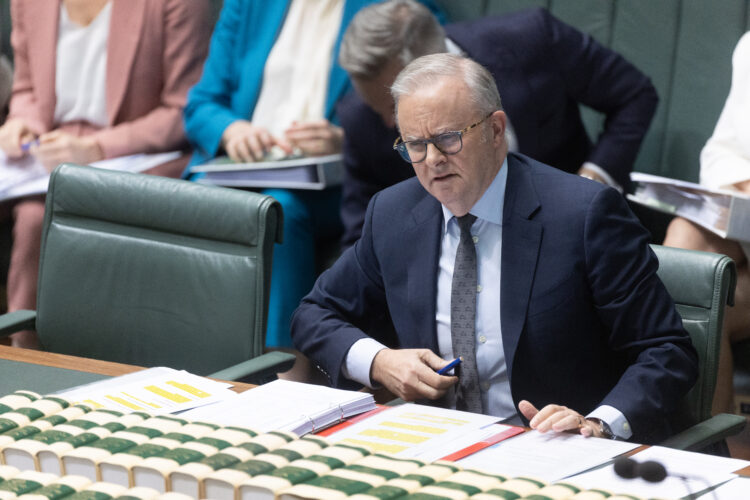
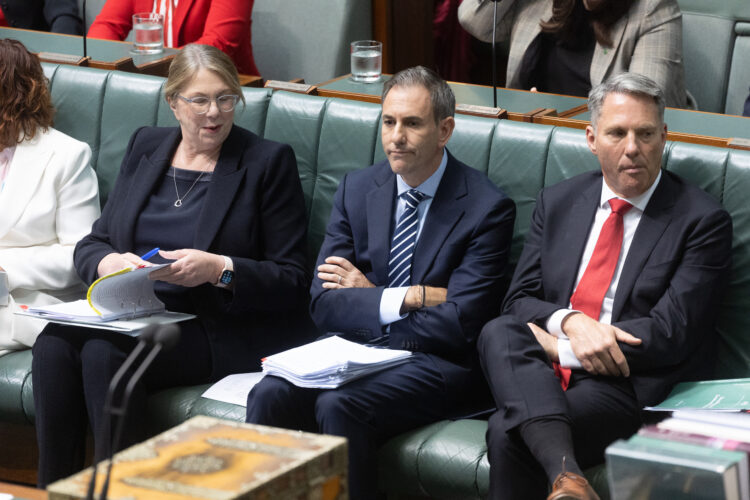
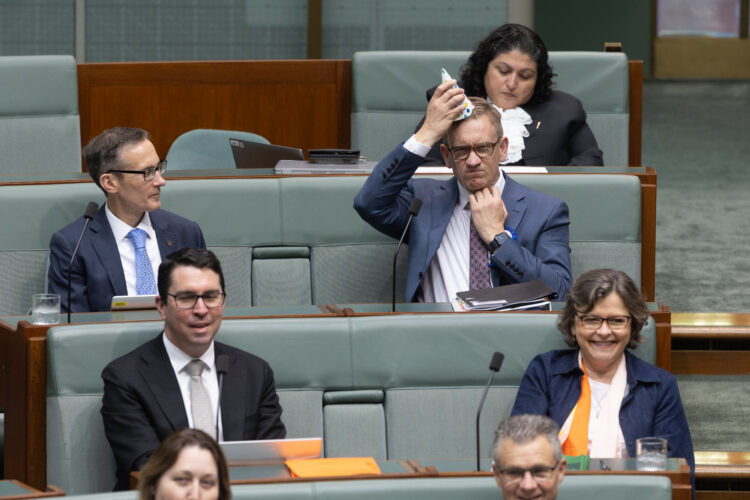
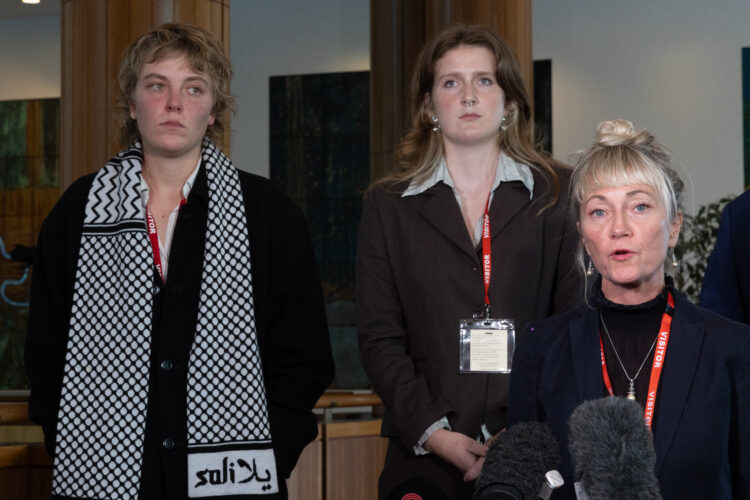
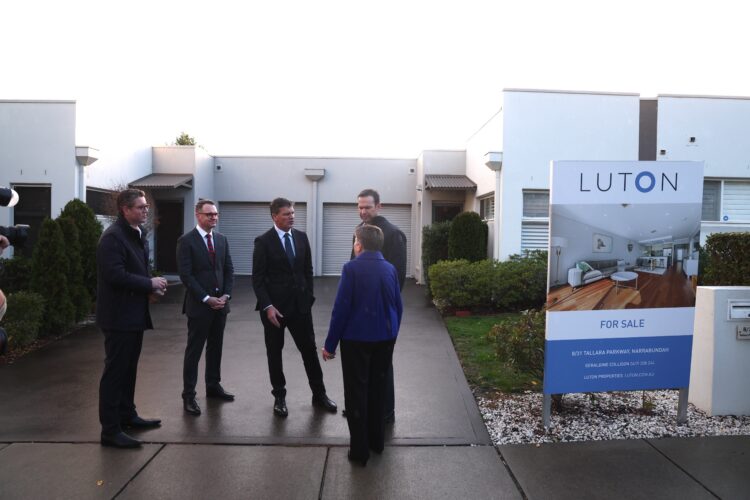
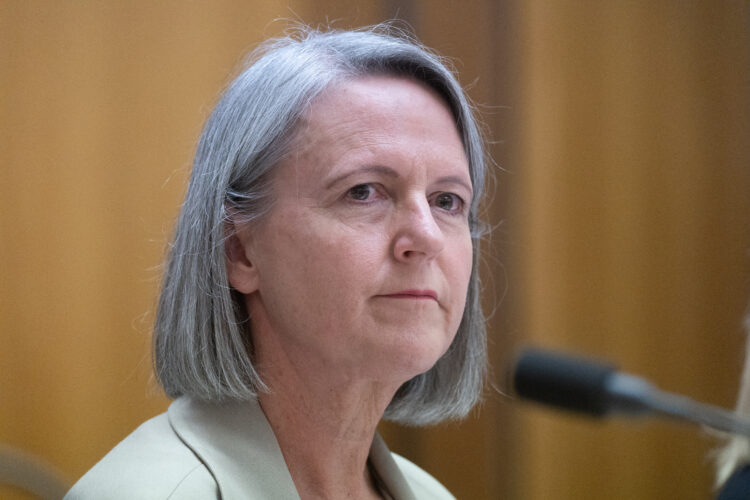
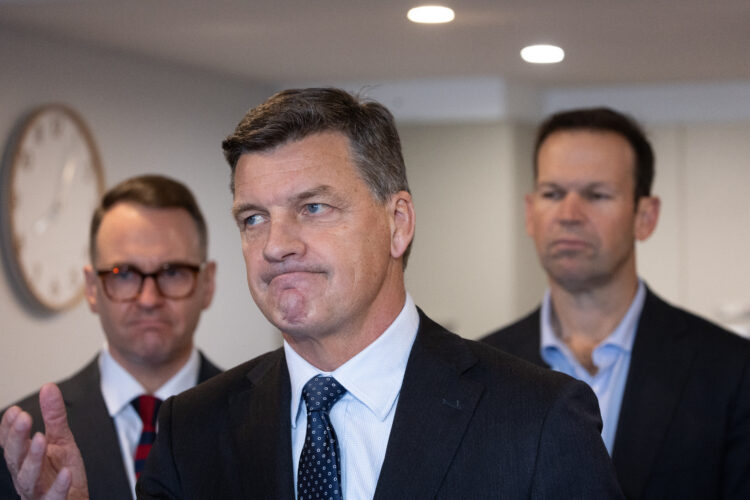
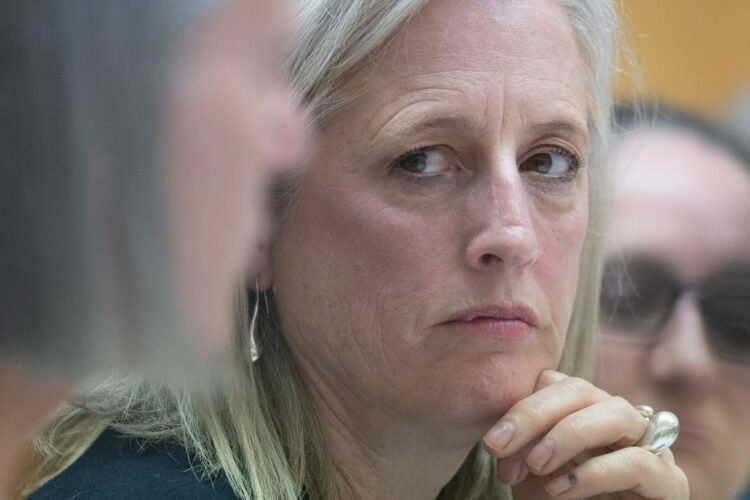
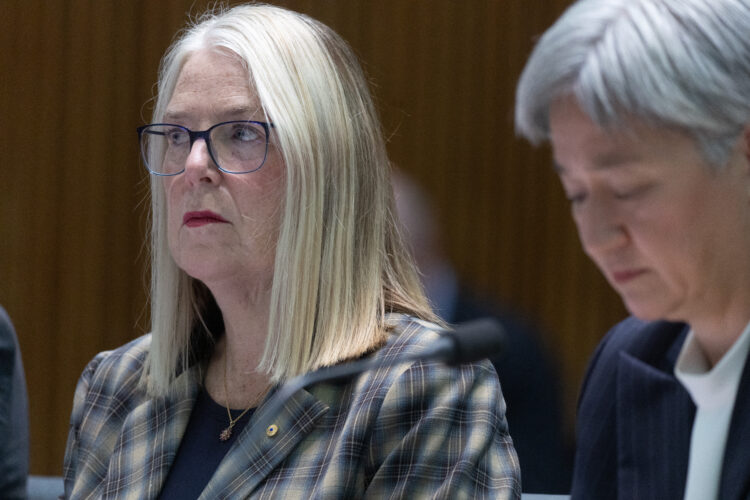
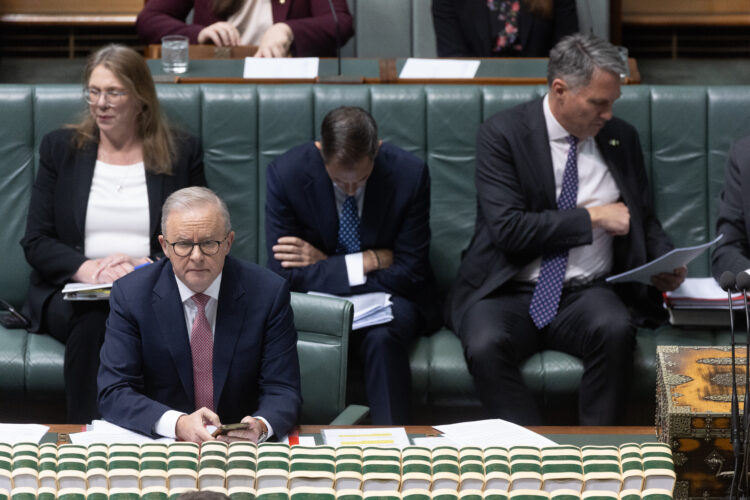
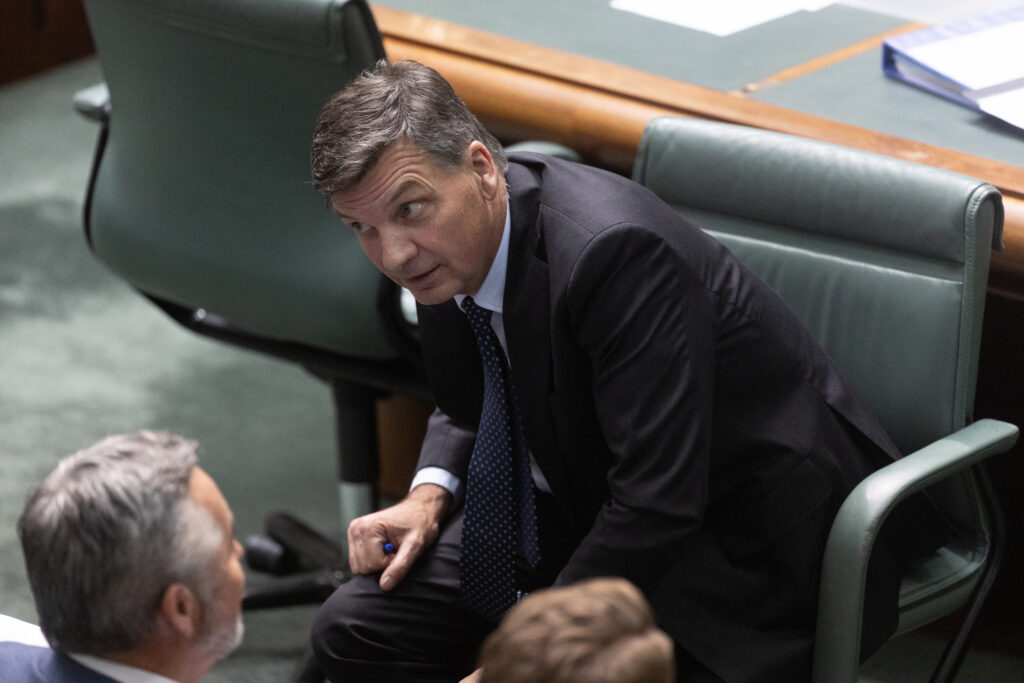
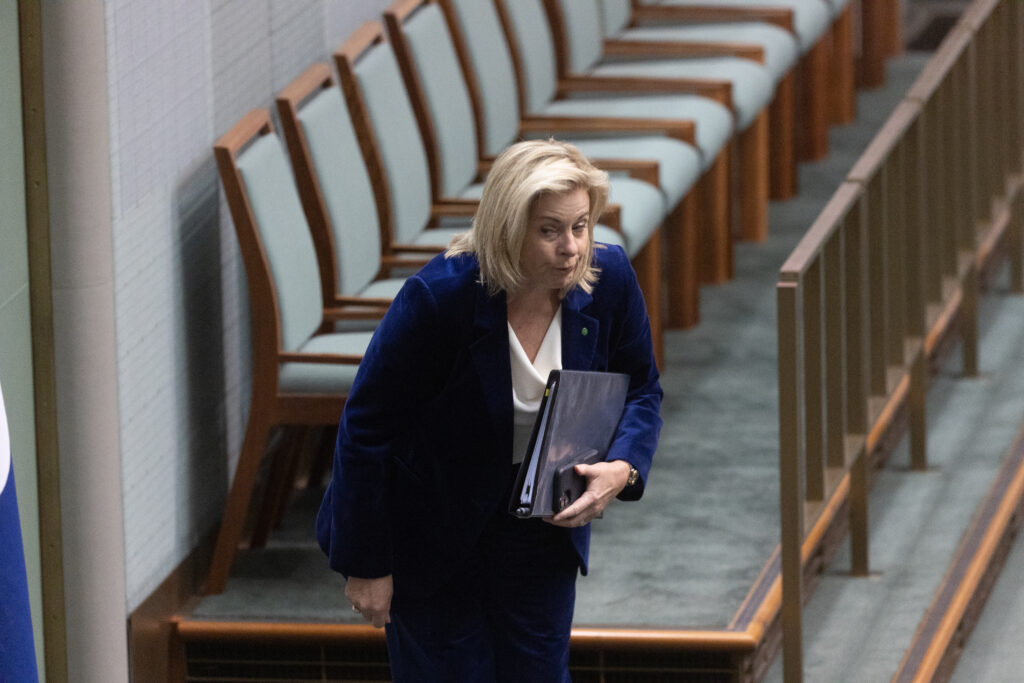
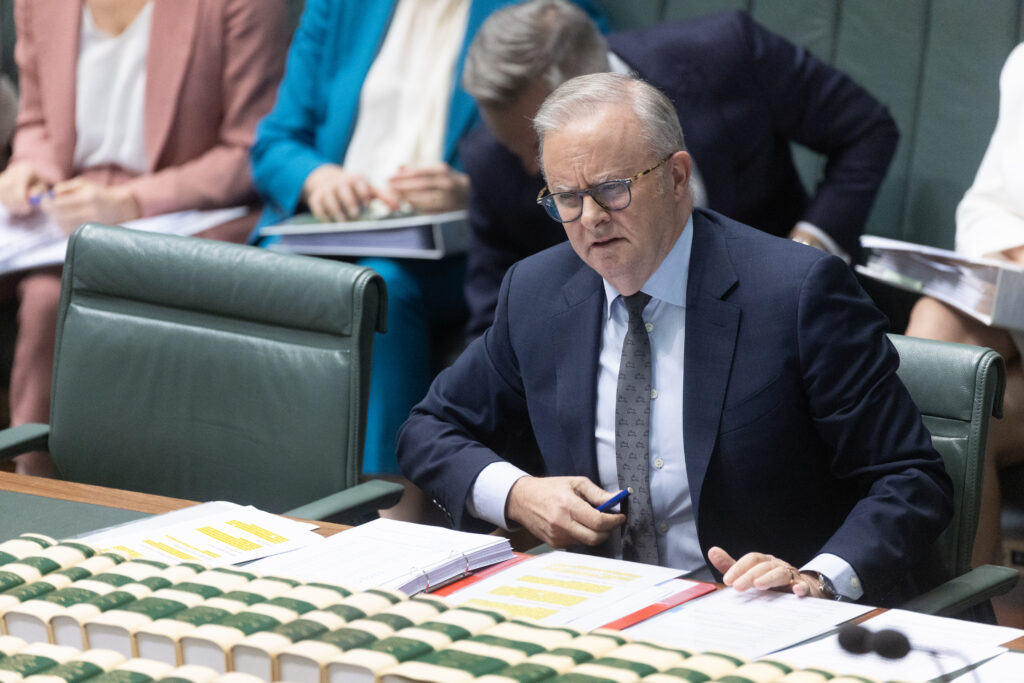
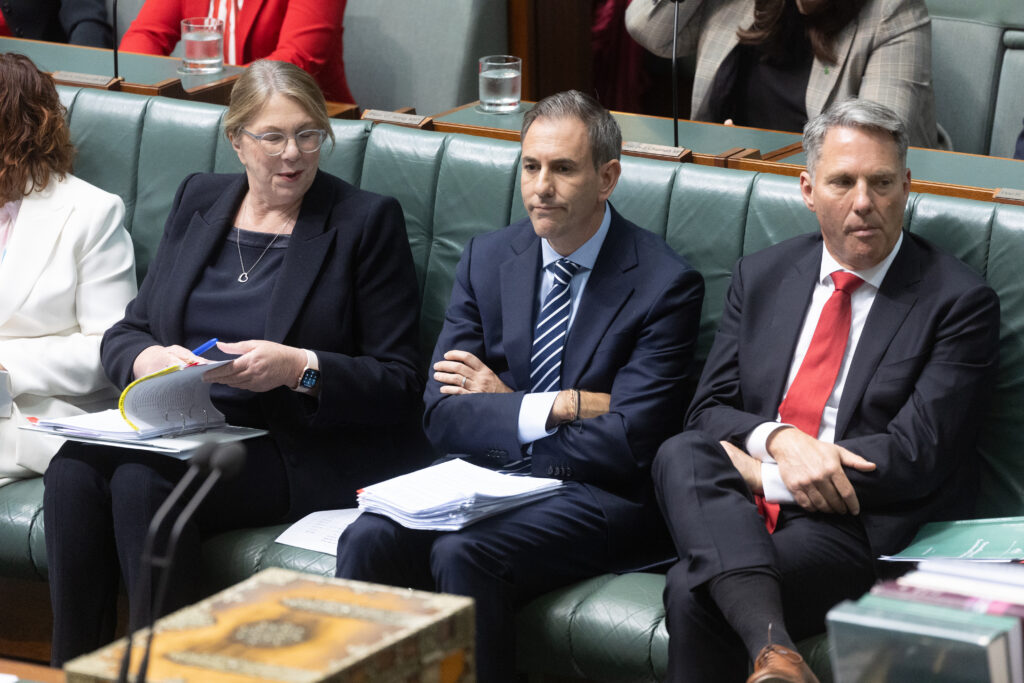
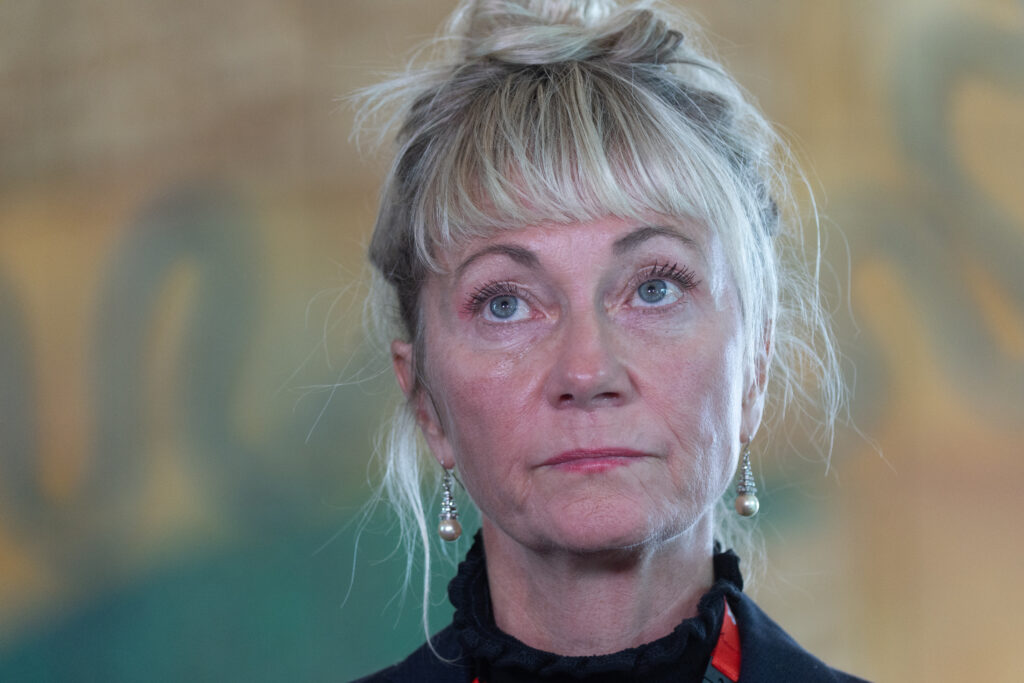
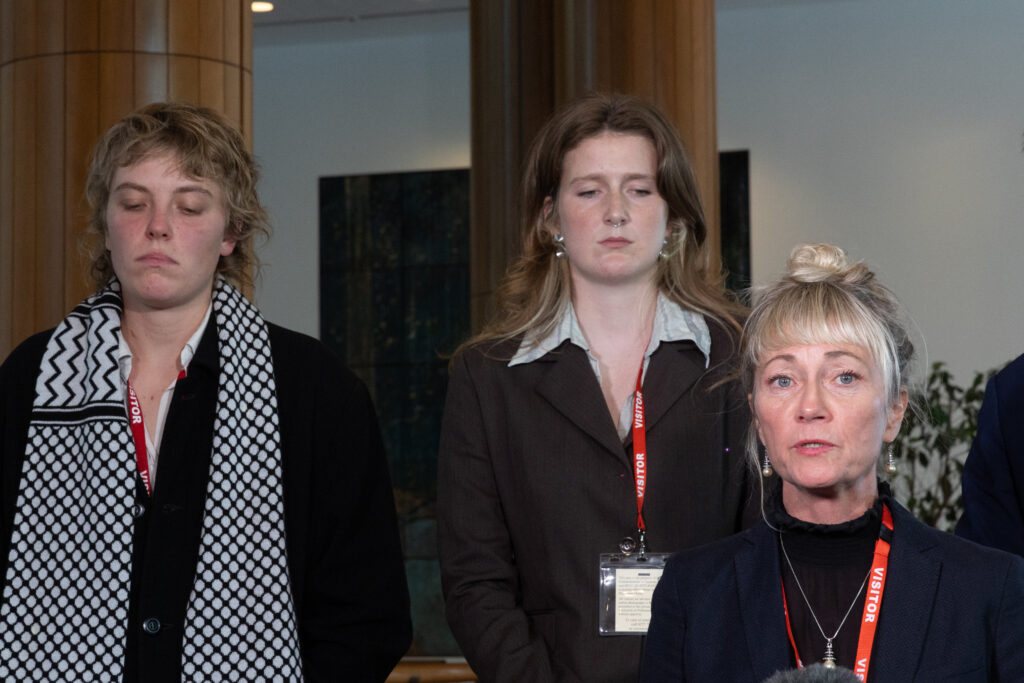
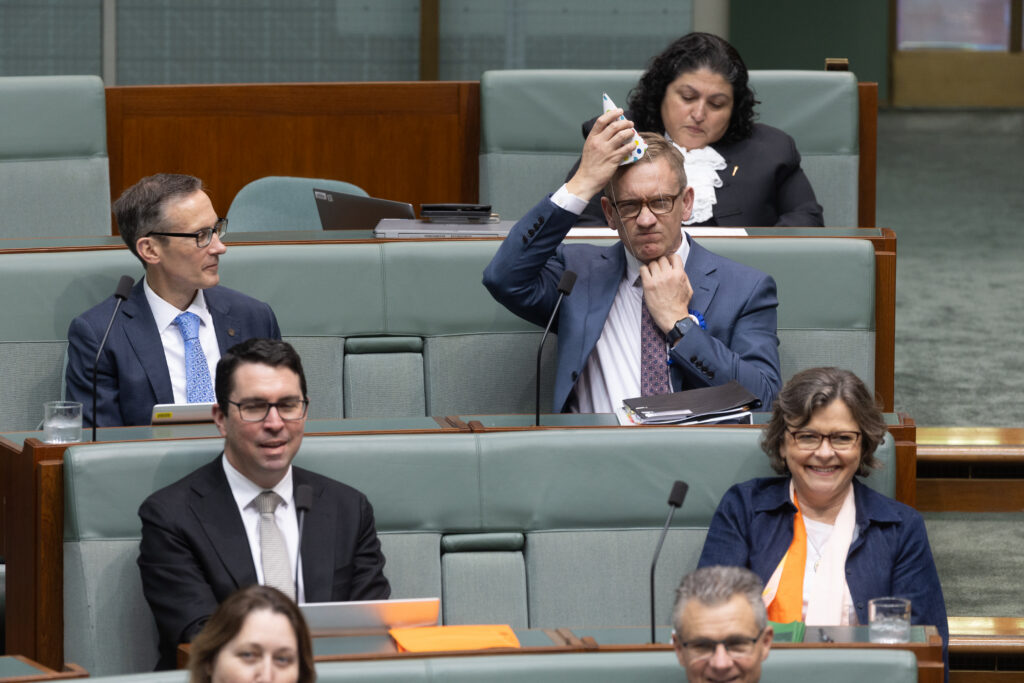
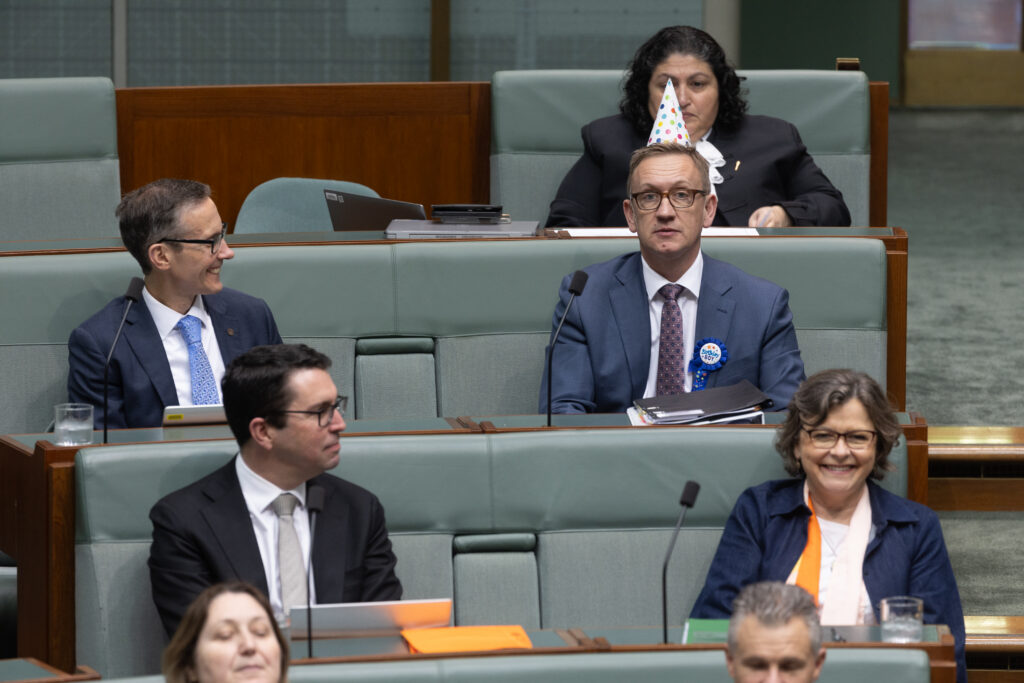
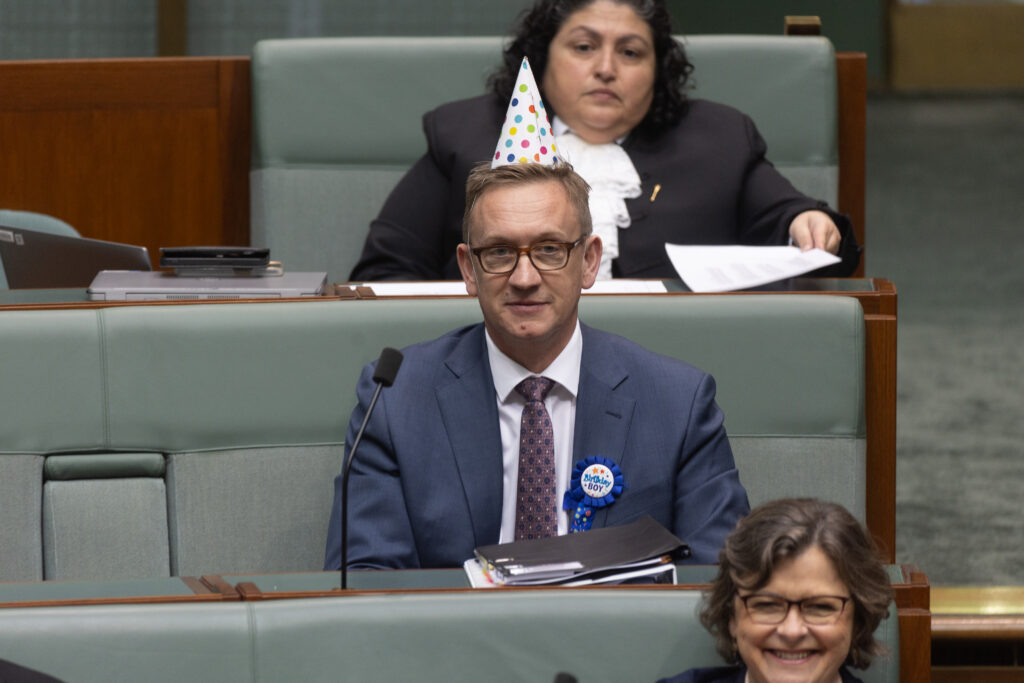
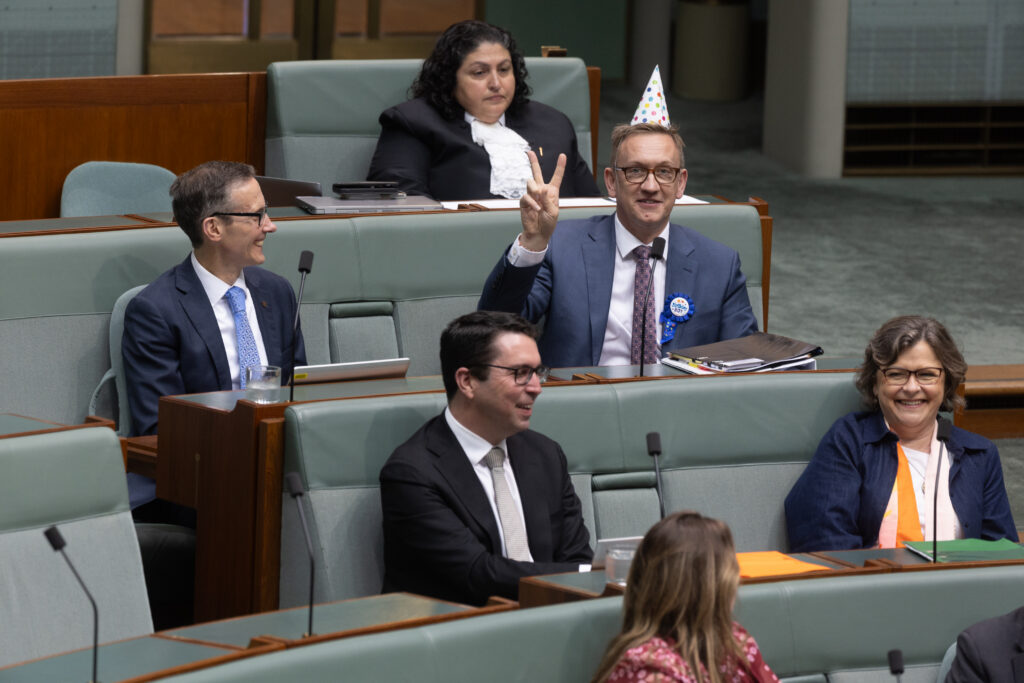
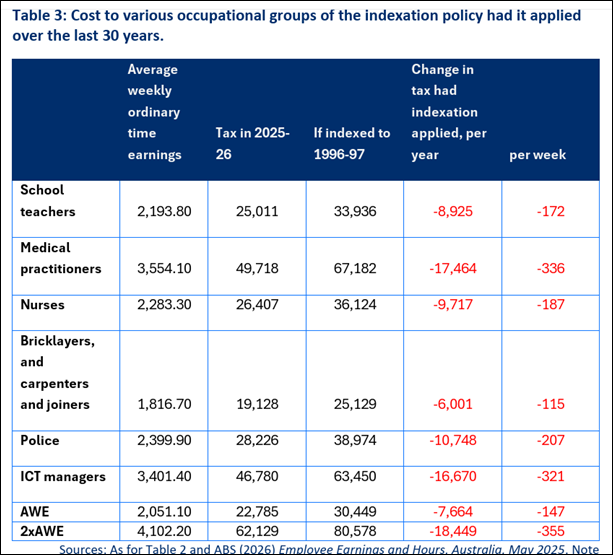
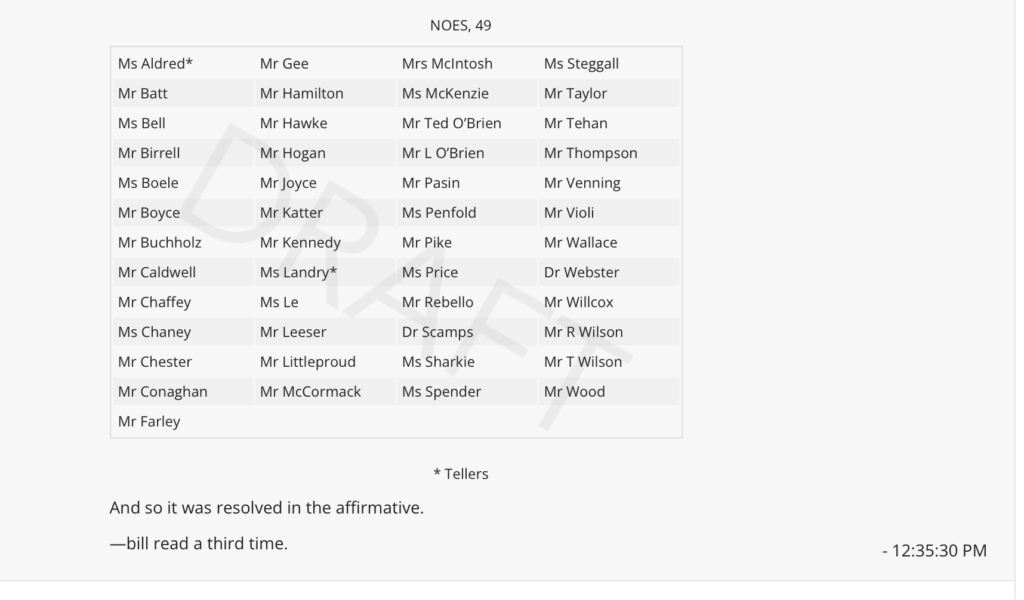
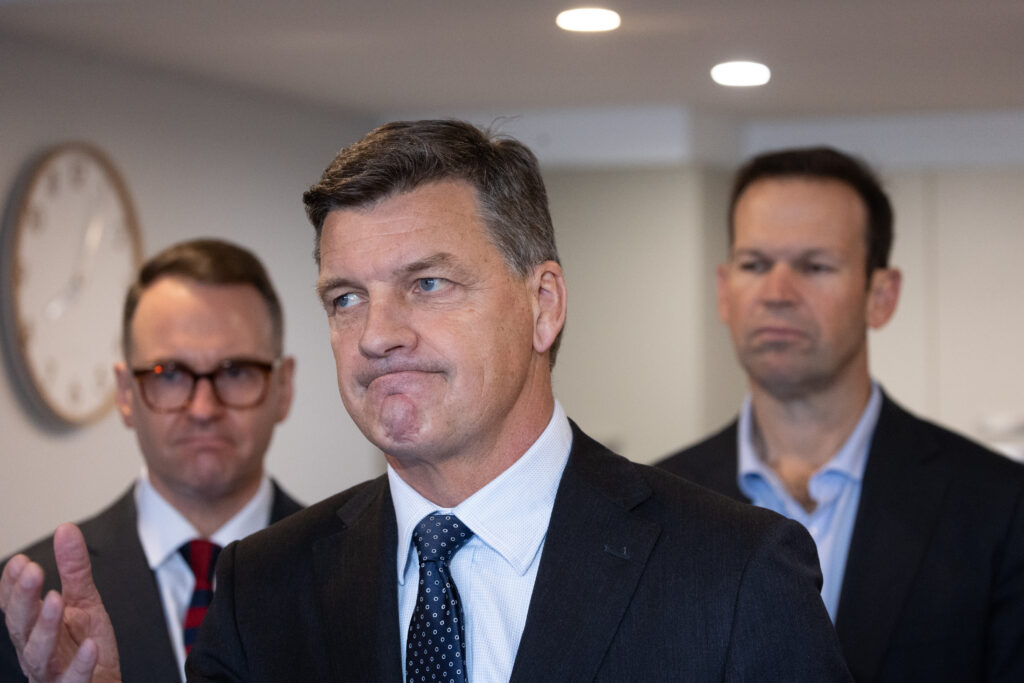
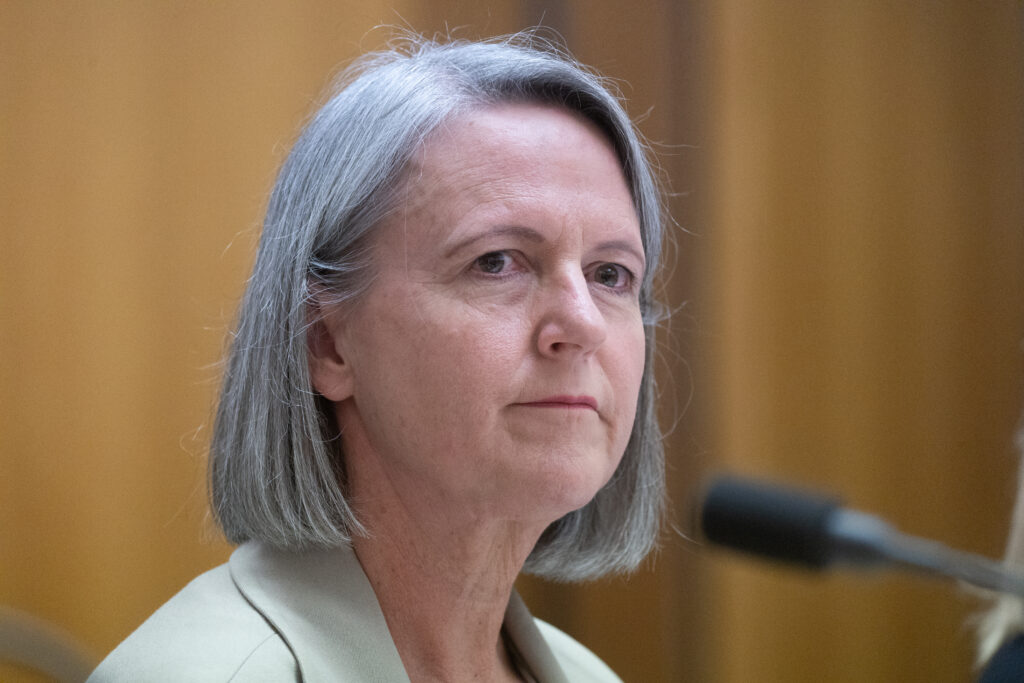
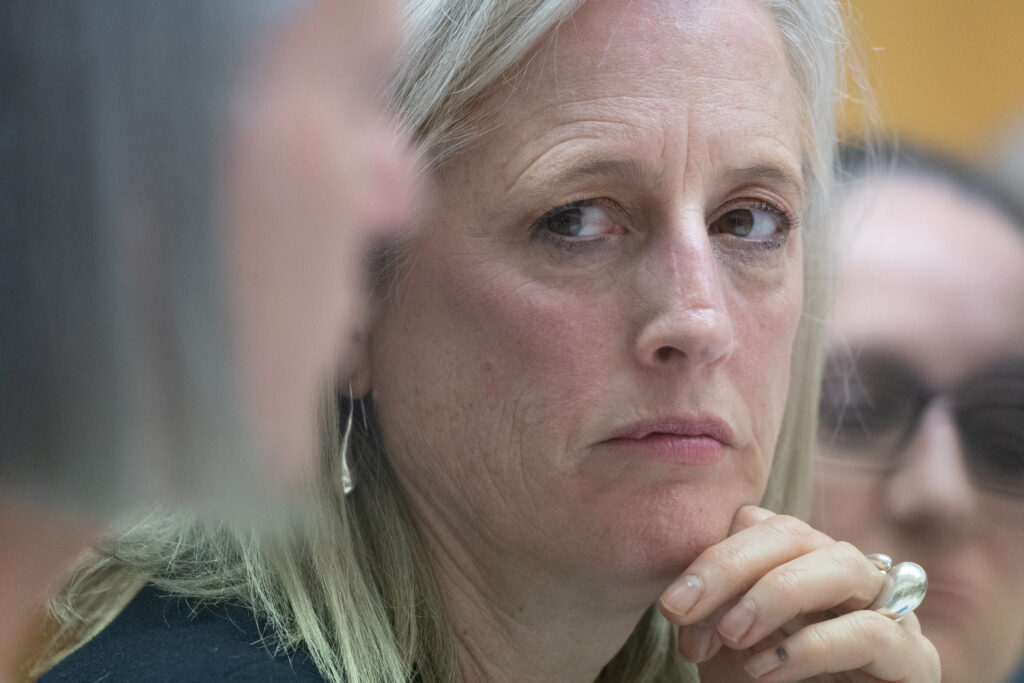
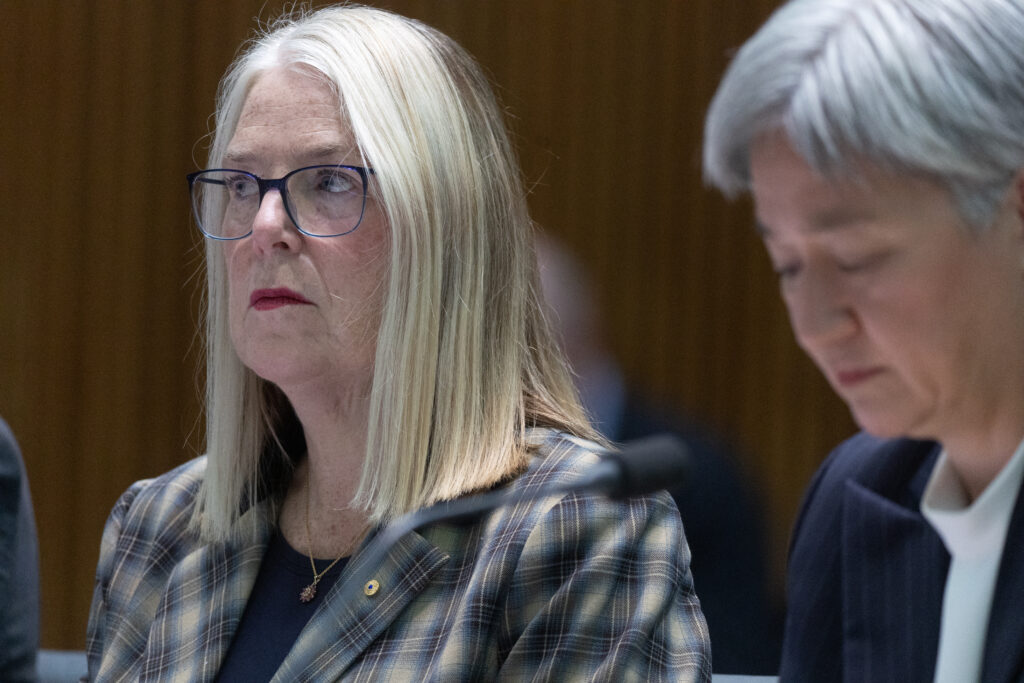

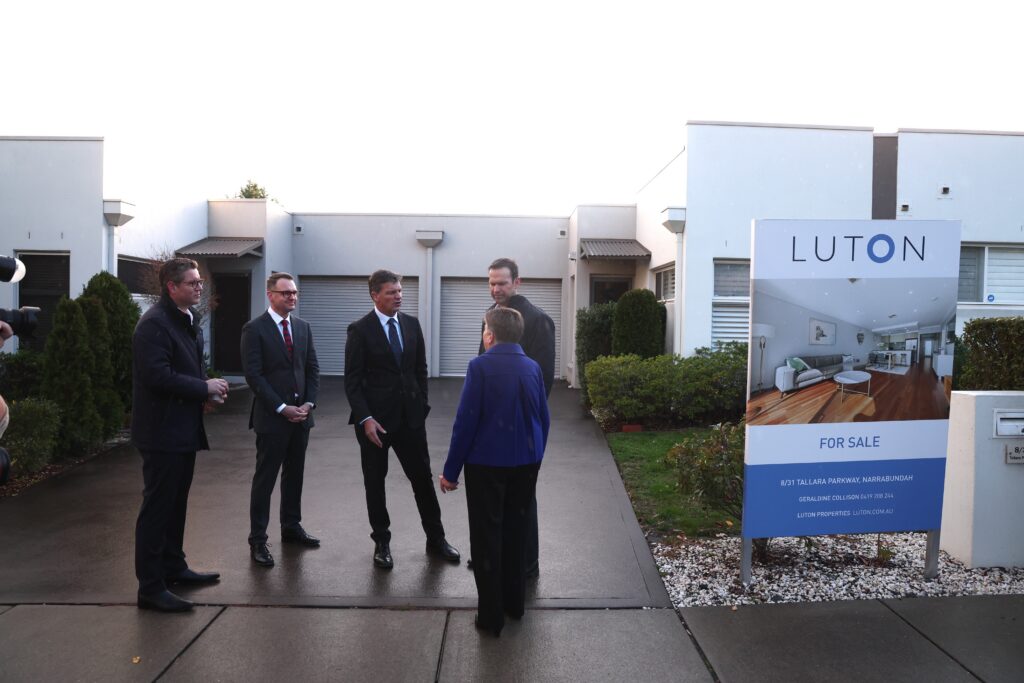
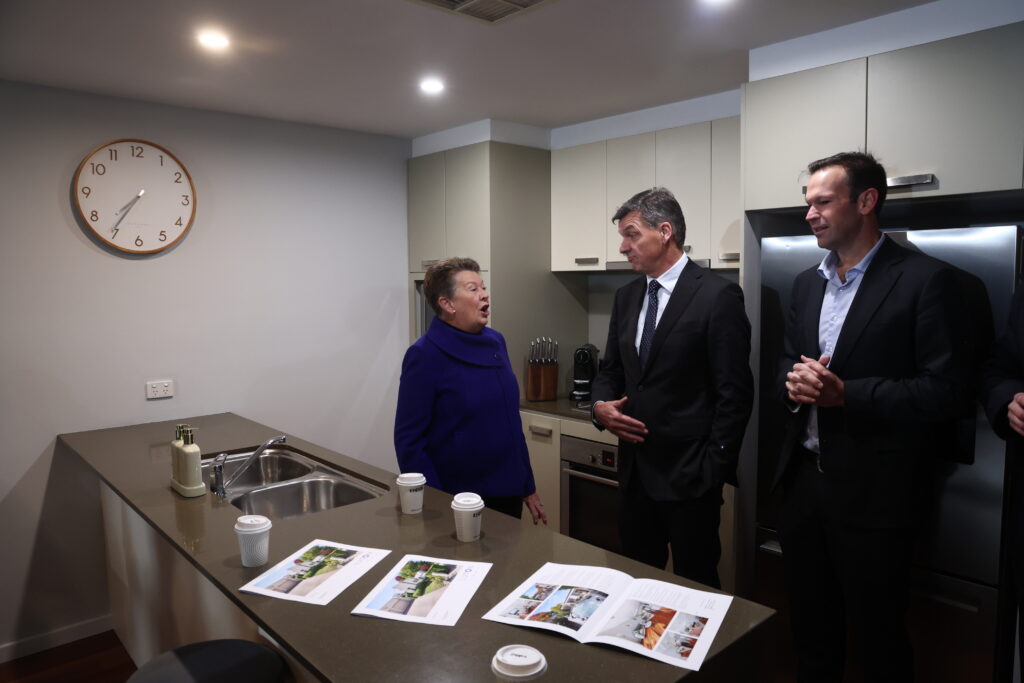
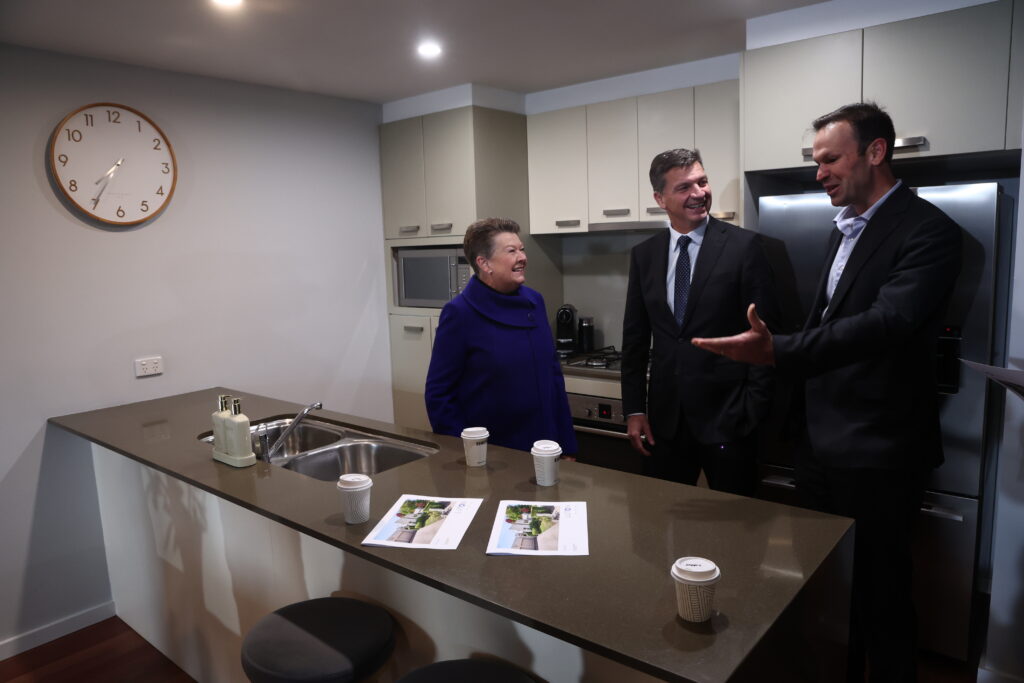
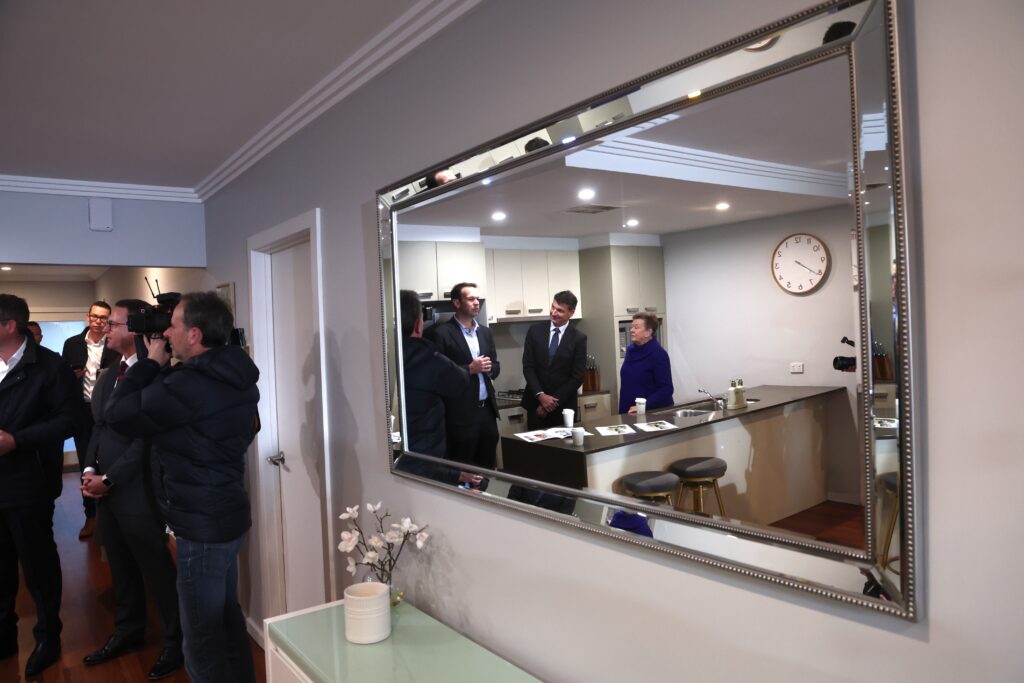
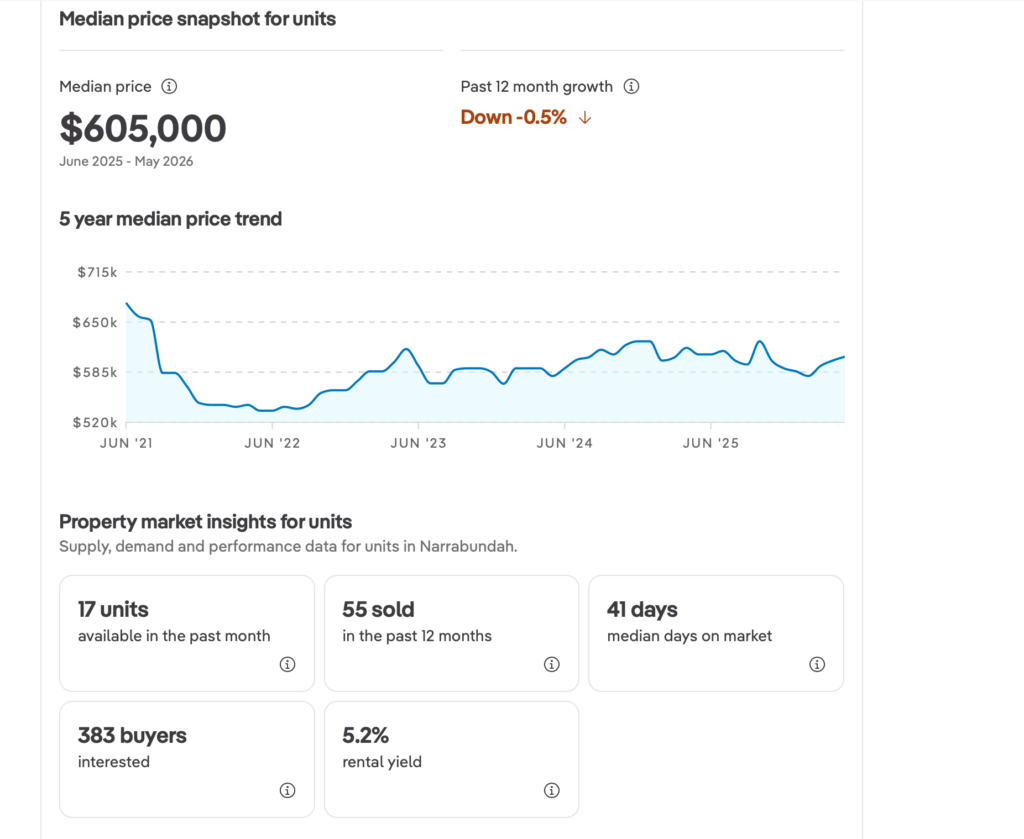
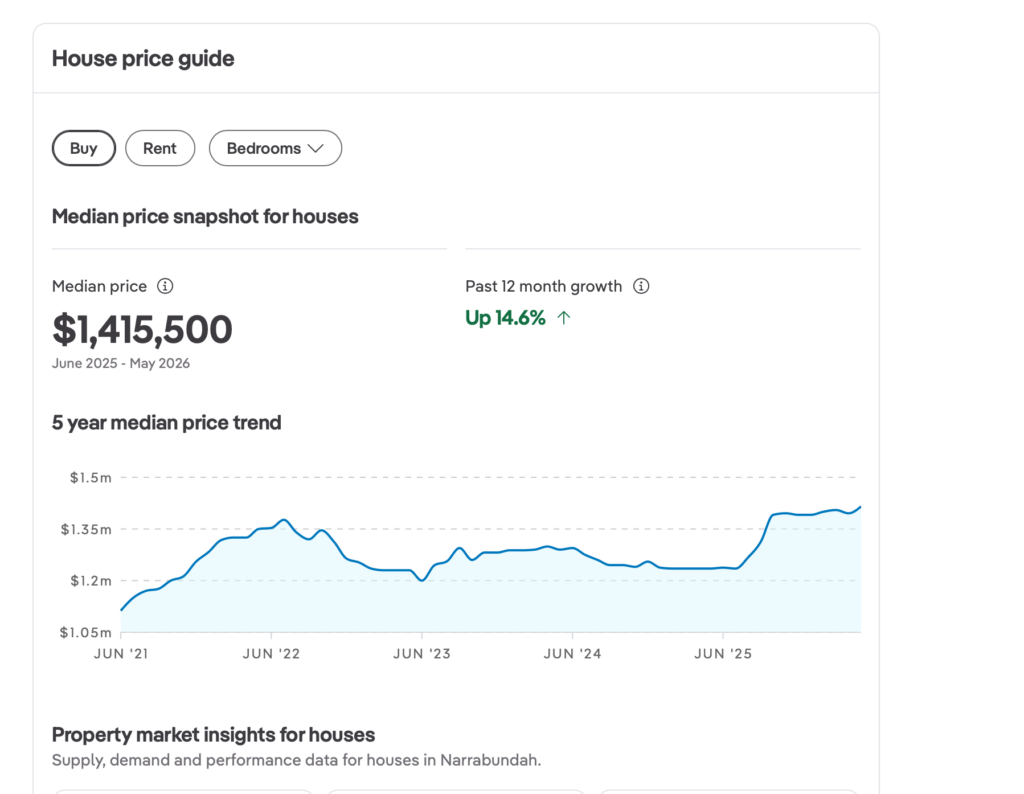
Comments (20)
-
Cath
Thu, 04.06.26
15.53 AEST
Question time ends Anthony Albanese finishes on a dixer outlining all the things the government want attention on - the urgent care clinics, the cheaper medicines, the tax... The Point Live
-
Sam
Thu, 04.06.26
15.16 AEST
O’Neil to LNP: ‘You can’t out One Nation, One Nation’ The LNP MP for Bowman (and close ally of former Queensland senator Amanda Stoker) Henry Pike asks Clare O'Neil: Can the Minister confirm the Albanese... The Point Live
-
Richard
Thu, 04.06.26
15.07 AEST
-
Robert Moylan
Thu, 04.06.26
14.03 AEST
On tariffs Greg Jericho The trade news today is that the Trump administration is threatening to level a 12.5% tariff on Australia and a few other nations... The Point Live
-
Chris g
Thu, 04.06.26
13.53 AEST
-
Sam
Thu, 04.06.26
12.11 AEST
The BS numbers that screwed disabled Australians Rod Campbell An important piece just went up on The Point, actually applying some scrutiny to the claims about a “tsunami of fraud” in the NDIS.... The Point Live
-
Amy Remeikis
Thu, 04.06.26
12.21 AEST
-
Sam
Thu, 04.06.26
12.39 AEST
-
Chris G
Thu, 04.06.26
11.16 AEST
-
Sam
Thu, 04.06.26
09.59 AEST

Angus Taylor and Matt Canavan tour units Angus Taylor and Matt Canavan are touring a unit in the Canberra suburb of Narrabundah to bemoan the slight fall in property prices. Which -... The Point Live
-
Dan
Thu, 04.06.26
09.58 AEST
-
Andrew Faith
Thu, 04.06.26
09.42 AEST
The view from Matt G: why the 50% CGT discount has been so harmful Matt Grudnoff The Senate Economics Legislation Committee is on today and the economic nerds at the Institute (as Amy so charmingly described us yesterday) are... The Point Live
-
Sam
Thu, 04.06.26
09.24 AEST
Albanese thinks voters will turn away from a ‘right-wing partnership’ On the surge of One Nation, Anthony Albanese says: Well, the Liberals, the Nationals and One Nation, are openly discussing being a right-wing partnership. Increasingly,... The Point Live
-
Sam
Thu, 04.06.26
09.18 AEST
Tired Taylor still taking cues from Trump Angus Taylor and the poor bloke they have convinced to run as the Liberal senate candidate (the ACT currently has no Liberal senators) have given... The Point Live
-
Sir Crustabread
Thu, 04.06.26
08.41 AEST
-
Richard
Thu, 04.06.26
08.33 AEST
-
Robert Howard
Thu, 04.06.26
08.24 AEST
-
Andrew Faith
Thu, 04.06.26
08.06 AEST
Good morning Hello and welcome to the final day of The Point Live for this parliamentary sitting. The government's main budget bills, with the tax changes, will... The Point Live
-
Amy Remeikis
Thu, 04.06.26
08.19 AEST
-
Gregory Shearman
Thu, 04.06.26
10.15 AEST
Join the conversation
Amy, not sure if this was intentional or not, but I heard "So what have we learned?" in Greg Davies voice from Taskmaster :)
The Coalition's attacks on permanent residents are disgraceful but it's clear that they're committed to it. They are painting a target on the backs of anyone racists deem to be non-Australians and they know perfectly well that's what they're doing.
Ah, it's always a feel-good moment when Potato Whine steps up to the crease with a question, because he remains out of his depth on a Wettex. There are things growing on wet bread that have a better grasp of basic federal financial matters than he.
Remember that it was found that Trump’s ties and hats were actually made in China so what is he going to do, impose tariffs on himself?
Just a ridiculous announcement that will be immediately challenged in court (and which Trump will lose again).
To have to answer some of. These absurd questions at Senate Estimates makes a mockery of the whole system. Surely one should be informed to some degree about the topic you are questioning, if not why are these people allowed to participate in the discussion. TRying to sound knowledgeable about a subject with out accurate facts and figures is an insult to the taxpayers who pay these peoples wages.
This link isn't working. I think the public has no idea that conflicts of interest, including perceived conflicts, are so rife in public services. Most are appalled when they hear the same company or not-for-profit may be assessing supports and delivering those same supports. You can talk about how they're managed all day but to the public it looks and smells like classic self-dealing.. The focus is on the NDIS at the moment but it's not unique to it.
Link should be fixed now, but you can also find it here - https://thepoint.com.au/opinions/260604-are-we-being-misled-about-ndis-fraud-yes-we-are
Thanks
Trump and his tarrifs,God it must be exhausting dealing with this current USA administration, add in the war that didn’t need to occur and meanwhile the world waits daily for another brain fart of a man that clearly needs to be put out to pasture. I think we all need more than a Russian Caravan cuppa Amy
It's hardly surprising that people are holding off. Presumably they, and their lenders, are waiting to see what is actually passed.
Great graphical data from Greg Jericho, but the light (white?) text is unreadable against the blog's off-white background.
Nerds unite Matt, nerds unite!
Politics nerd/junkie/wonk and all of this is like Christmas several times a year. 🎅🏼
I really, really hope so but this all feels very familiar . I don't want to go back to the nasty 90s but that is where it feels like we're headed.
At this rate Tired Taylor will be demanding the release of UFO files and demanding internment camps for Australian-Asians by the end of the year.
One needs a Russian Caravan to deal with A Taylor, Matt Canavan & Joyce.
The wonderful British author Terry Pratchett once wrote that 'Fast is a word frequently associated with tortoises, because they aren't it'.
Indeed, much the same might be said about most of the Opposition and 'competent', or 'smart', or even - stay with me here - 'correct'.
Poor old "land rats", estate agents are the bane of the property market. Looking at a property recently, rang the agent, they wont below $1.3m, we have an offer already. She rings me four days later, I'II take offers .....I replied $1.1m. Feel sorry for the vender being led, the agent doesn't care, they still get paid.
Good morning, Amy. What's your favourite tea?
Readers, you know what to do!
Russian caravan - Twinnings made it in bags, which they have discontinued and truly, was the only thing standing between me and the abyss some days!
I've been a fan of Lapsang Souchong tea for a half a century. Twinings used to make both loose leaf and bags but they have also discontinued selling it.
Now I have to pay $250 a kilo for it at one of those expensive tea shops you see in shopping malls. Last time I bought 50grams... still... works out as about 50c a cup.