


See you in two weeks?
The parliament, she be emptying.

The end of the sitting is upon us. And the parliament is emptying. There will be more political news, but everyone should actually be living their lives.
Because it is a bit of a mess in the Big House (or Bullshit Castle as my dad used to call it).
The ‘green shoots’ Anika Wells was optimistically pointing to with the Coalition entering negotiations for the Digital Duty of Care bill are dead and buried, according to this statement from Sarah Henderson:
The Coalition strongly supports protecting children online and holding big tech accountable.”
But protecting children must never become an excuse for censoring Australians, silencing political opponents or drowning small businesses in red tape.”
Labor’s bill fails that test and must be scrapped.”
And the opposition want to see the number of beds in the aged care system, but they don’t want to support the subsidy cuts to over 65s for private health insurance which is what the government said it was cutting so it could pay for the beds.
We don’t like the idea that older Australians are being targeted to have their health insurance, their private health insurance rebates removed from them,” Jane Hume told the ABC
Which, OK, but the subsidy was being cut to what anyone under 65 pays, not cut entirely. And Mark Butler is right when he says these things were put in place by 25 years ago and things change.
But also, we are seeing where the power sits in these debates more and more obviously – there was none of this for the NDIS. But veterans and now Boomers have had reversals and political power used for their benefit. If you are going to apply these sorts of principles, maybe apply them equally?
But that wouldn’t be Australian politics!
And so, we urge you to go out and cause some good trouble, but also let us know the areas which you think are being ignored and where power needs a nudge. We are always all ears – leave a comment, or email me. I’ll add it to the list.
And in the mean time – we will hopefully see you back here when the house sits for a house only sitting at the end of the month (and estimates)
Huzzah! Until then, take care of you. Ax


Comments (18)
-
Sam
Thu, 15.10.26
16.35 AEDT
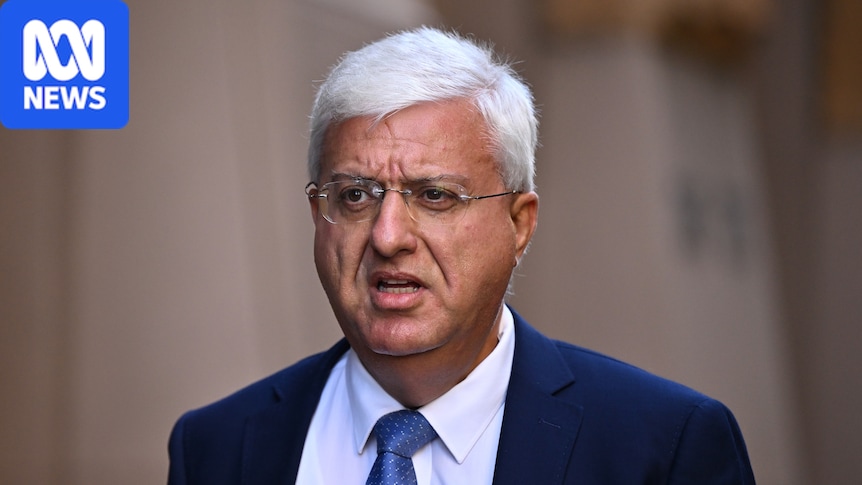
Former MP's chief of staff avoids jail over indecent assault of young female staffers Frank Zumbo, the former chief of staff of ex-MP Craig Kelly, was convicted of indecently assaulting four staffers earlier this year. www.abc.net.au
-
Mrs G
Thu, 15.10.26
15.16 AEDT
-
Sam
Thu, 15.10.26
14.42 AEDT
-
Sam
Thu, 15.10.26
14.38 AEDT
Senate QT: It’s Groundhog Day Anna Chang It’s Groundhog Day in the Senate, the Coalition are trying to attack the Government on small business again. again. again. Senator Leah Blyth,... The Point Live
-
Michael Cowan
Thu, 15.10.26
14.18 AEDT
And they are off! It is already very, very rowdy in there - lot's of pretend points of order and a bit of personal attacks. And it's only the... The Point Live
-
Sam
Thu, 15.10.26
14.15 AEDT
Question time begins It's a tale as old as time - tension between a prime minister and the treasurer. Angus Taylor wants to know 'on what issue will... The Point Live
-
Richard
Thu, 15.10.26
13.26 AEDT
Australia’s labour market teeters on the edge of a recession Greg Jericho The September unemployment rate rising to 4.7% - the highest since October 2021 – was not a shock. Last month I noted that... The Point Live
-
Sam
Thu, 15.10.26
11.49 AEDT
Most of us don’t have trusts and those who do… earn a lot more than the rest of us Greg Jericho There’s a lot of people getting very angry about the government’s policy to limit the ability of discretionary trusts to reduce tax. You... The Point Live
-
Rob Bebrouth
Thu, 15.10.26
11.42 AEDT
-
Gregory Shearman
Thu, 15.10.26
10.41 AEDT

Senator Duniam leaves the building Tasmanian Liberal senator Jonathan Duniam (he styles himself as Jonno) delivered his final speech in the senate yesterday. Amongst the usual thank yous and naming... The Point Live
-
Sam
Thu, 15.10.26
10.26 AEDT
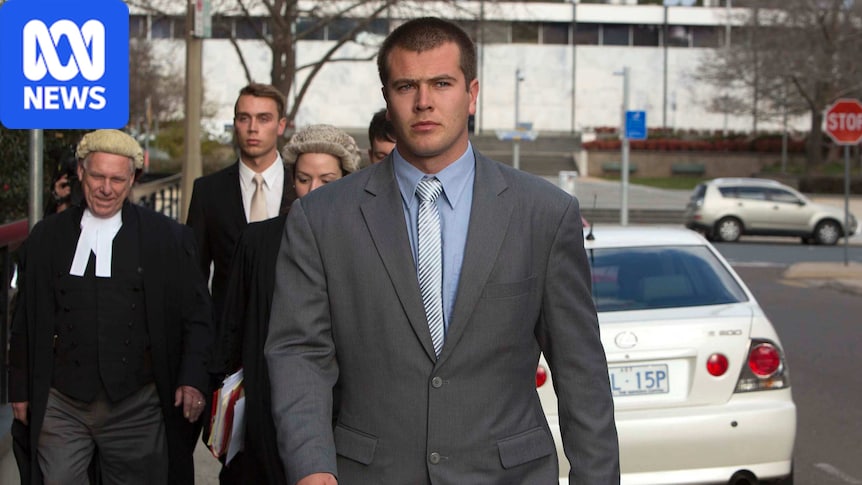
ADFA cadet sacked over Skype sex scandal The Army has sacked one of the men at the centre of the Australian Defence Force Academy Skype scandal. www.abc.net.au
-
AAA
Thu, 15.10.26
10.21 AEDT
-
Sam
Thu, 15.10.26
11.43 AEDT
-
Sam
Thu, 15.10.26
09.23 AEDT

In trusts we trust Alice Grundy There will be lots more on trusts today. It's worth noting some Australia Institute research from earlier in the year that calculated around... The Point Live
-
Sam
Thu, 15.10.26
08.13 AEDT
The United States will not “have enough skin in the game” to send troops to defend Australia in the event of an attack from China, a leading international security expert has warned. AAP Sam Roggeveen, director of the Lowy Institute's International Security Program, also said the anti-immigration policies being touted by both major parties, as well as... The Point Live
-
Andrew Faith
Thu, 15.10.26
08.31 AEDT
-
Sam
Thu, 15.10.26
09.24 AEDT
-
Andrew Faith
Thu, 15.10.26
07.49 AEDT
Good morning! Hello and welcome back to the last sitting day for this session and also the last joint sitting day for some time (we have a... The Point Live
Join the conversation
One thing that has always stood out to me is that the Greens and Labor always have a process to refer such complaints to. When the Liberals and the Frank Zumbo and other issues they seemed completely incapable of responding. Honestly, they thought Craig Kelly having a chat with Zumbo was sufficient to respond to multiple complaints from young women working in his office. I am at loss to why the conservative parties hadn't back then established basic compplaints processes
I can’t believe Hastie was up for asking such a stupid question, perhaps he thought one question. A week was better than none so people wouldnt forget he exists. Or is it some inside joke to make him look stupid by giving him Question like this to ask.
Very disappointing...
New South Australian Senator cannot even find a small business in South Australia to use as part of the Coalition's protection racquet for those that use discretionary trusts... honestly, HarveyNorman is a series of trusts - yes some small businesses uses them, that doesn't mean only small businesses use them
Who is responsible for the Opposition’s QT tactics?
They leave themselves open to attack on too many occasions.
This really is silly. Albanese is a terrible communicator. Chalmers runs circles around Albanese. Both of them run circles around Well Done Angus and Tim Wilson.
Well, we all knew that the RBA's motto is 'We aren't happy till Yyu are unhappy'.
It must be time to break out the Bolle in the RBA Boardroom.
I agree with all of this... there's just one aspect that I think is downplayed - trusts are used for asset protection. Personally, I suspect a lot with discretionary trusts will continue using them because what they are paying for is asset protection in addition to reducing tax.
In the "Labor tries to pass controversial insurance bill again" - the sensationalistic opening line - is not factually correct "Sweeping private health insurance changes affecting pensioners have been resurrected in parliament, sparking fury from political rivals who previously booted the bill."
Firstly - the changes are not sweeping by any stretch of the imagination. Secondly - very few - if any people actually on the pension can afford private health insurance. Thirdly - the bill was never booted - it was delisted & therefore never tabled - discussed or debated at all.
Please do better than this load of tripe....
Oh dear, Senator Duniam.
I was under the impression that Howard and Costello paid the debt down by selling off the country's gold reserves at bargain basement prices...
The world's greatest treasurer?
Remember ADFA Skype scandal - hardly surprising Defence is still attracting these awful people
I wonder if anyone in the media (or here for that matter) will point out that health economists and the Australia Institute overwhelmingly support Labor's private health rebate bill without change. For some reason, the Senate seems determined to retain a special financial privilege not available to households of any other income group below the age of 65.
I was wondering about the Greens position on this. On the one hand, I don't see why we should keep it. On the other hand, it is disingenuous for the government to claim they can only fund extra aged care if they take money from this subsidy for the over 65s. It's that ridiculous false tradeoff.
I am one of the few lucky enough to have a discretionary trust. I didn't establish it, my parents did. Really, for them, it was about asset protection (e.g. wayward 20 year old OR malicious ex) not tax minimisation. Why shouldn't I pay a minimum tax for that privilege? In practice, I am not going to pay more tax with these changes because distributions are taxed at your marginal tax rate. So anyone that has another income, likely already pays above 30%. The people that will pay more are those that (ab)use trusts to income split.
My late grandmother said the same thing since... well probably WW11. She always told us, " Don't trust the Yanks, they always cut and run. Bloody idiots drag everyone else in and then leave"
Vietnam, Iraq, Afghanistan…
And those are just the most prominent ones
I hope today will be more entertaining (and productive) than yesterday's farce.
I'm about to sup on my first of two coffees - it's sewing class tonight, so I may need a little pick-me-up later in the day to help me through.
Ready when you are, Captain Amy!