And on that note, we will wrap the blog up – but we will be back with you at sparrow’s tomorrow morning with more reaction, missed opportunities, as well as what is happening in the senate as the government tries to ram through its environment gutting laws.
What a time.
Thank you so much to everyone who came along for the ride today – it is humbling to be joined by thousands of you so soon in this little project. We couldn’t do it without you and we hope it is adding some complimentary value to your day.
Get some sleep – we ride at dawn (ish).
Do good – and take care of you. Ax
The Treasurer Jim Chalmers delivers the 2025 Budget in the House of Representatives Chamber of Parliament House in Canberra. Budget 2025. Tuesday 25th March 2025. Photograph by Mike Bowers.The Treasurer Jim Chalmers is congratulated by his colleages after he delivered the 2025 Budget in the House of Representatives Chamber of Parliament House in Canberra. Budget 2025. Tuesday 25th March 2025. Photograph by Mike Bowers.
21.37 AEDT
And in other news of what happened today:
Two new appointees to Australia's climate change authority today:- A manufacturing industry ESG executive (bluescope, rio tinto)- The former head of the 'Business Council of Australia', an org which has a long history of opposing climate policy in Australialobbymap.org/influencer/T…
The Australian Greens have said today’s budget was a missed opportunity to deliver real cost of living relief by getting dental into Medicare, and to pay for it by making the big corporations pay their fair share of tax, which would have delivered more help than tiny tax tweaks that are 15 months away.
In a wealthy country like ours, everyone should be able to afford the basics – a home, food, and have access to world class health and education.
Instead, many people are struggling to afford the essentials while one in three big corporations is paying no tax.
Labor’s budget has delivered $56 billion in fossil fuel subsidies and $176 billion for wealthy property investors, but failed to deliver the bold reforms needed to support people being smashed by the skyrocketing cost-of-living.
The two new tax cuts announced by the government will barely scratch the surface for people struggling to pay for food or rent, and won’t come into effect for 15 months, with low income workers saving only 73 cents a day, which wouldn’t even cover one cup of coffee per week.
Meanwhile, the government’s previous stage three tax cuts delivered $4,500 in tax cuts for billionaires, with these new cuts increasing those savings to more than $5,000 for billionaires like Gina Rinehart and Clive Palmer.
There are no increases to Job Seeker or Youth Allowance in this budget, meaning the more than one million on these income supports will remain in poverty.
And the government has forecast billions more in cuts to the NDIS.
On housing, the government has fixed some of the problems the Greens have highlighted in the Help to Buy scheme, but there is nothing new for renters, who didn’t even get a mention in the Treasurer’s speech.
Climate and the environment got zero mention in the Treasurer’s speech as well. Perhaps this is not surprising as Labor has approved over 30 coal and gas projects in this term of Parliament alone and is gutting Australia’s environment laws.
The government is also continuing to pour billions of dollars more into nuclear submarines as AUKUS costs increase, with funding in this budget blowing out from $12 billion to $18 billion.
Labor has also broken its promise on refugees, by failing to increase the humanitarian intake.
21.26 AEDT
Coalition hinting at their own tax cuts – but how?
So the Coalition is against the Labor tax cuts, but not against tax cuts, but against THESE ones, but maybe support tax cuts, but not THESE ones, but yes tax cuts.
(That was Angus Taylor’s genius on display, in case you needed a hint)
Chief economist Greg Jericho and Senior economist Matt Grudnoff have done some quick back of the envelope calculations to see if the Liberals could not do these tax cuts Labor has proposed, but instead try and come up with their own. Which the Coalition is hinting at, with Peter Dutton now going on about the biggest fight since Fightback! The 650-page economic document Liberal leader John Hewson came up with in the early 1990s (he lost, by the way). Also Hewson is an economist. But why let those little things get in the way!
Anyway, the pair have done very quick calculations and the answer is….No. Unless they just want to do a tax cut for people earning over $135,000 they can’t do it with this budget. “Everything else is far too expensive,” said Grogs (after some expletives).
21.15 AEDT
On the unemployment: Antipoverty Centre spokesperson and Disability Support Pension recipient Kristin O’Connell said:
This is an irresponsible budget that once again has betrayed millions of welfare recipients and left us in deep poverty.
This budget puts the nail in the coffin of Anthony Albanese’s cruel, false promise to leave no one behind.
The government needs to stop pretending to help poor people with more handouts for big business, landlords and corporate charities
For people on Centrelink payments life is harder now than it was three years ago, and this budget does nothing to change that.
21.11 AEDT
Australia Institute quick view of the budget
The good:
Those on the lowest incomes will benefit most from the new tax cuts.
More people will have access to bulk-billed visits to the doctor and cheaper medicines.
The budget predicts that the inflation rate will remain in the Reserve Bank’s target range.
The bad:
*While there’s funding for disasters caused by climate change, there is nothing to reduce emissions.
*There is nothing meaningful to ease the housing crisis.
*The budget does nothing to address growing inequality.
The ugly:
*Australia is unlikely to hit its emissions reduction targets and nothing in this budget will stop that.
*The free ride for gas companies continues, with revenue from the Petroleum Resource Rent Tax predicted to fall.
*There is nothing to prevent the ongoing environmental harm being caused by the salmon industry.
Who’s cashing in?
*Those who earn between $18,200 and $45,000.People who go to the doctor often and buy a lot of PBS medicines.
*Beer drinkers, with a two-year pause on indexation increases on the draught beer excise.
*Gas companies, which are projected to pay less PRRT over the next 4 years.
*Wealthy people who use the superannuation system to avoid paying tax, with no change to super tax concessions.
*Wealthy people who use the tax system to speculate in the housing market, with no change negative gearing.
*Fossil fuel companies, who use a lot of diesel. The fuel tax credit, which is what the government pays to organisations like mining companies for the fuel they use in their vehicles, is growing. The government will be handing them $10.8 billion this year, rising to $13.1 billion in 2028-29.
Who misses out?
The unemployed, who have to live on an income which is around 38 percent below the poverty line, as there was no increase in Jobseeker in the budget.
The Maugean Skate, which – thanks to this budget – is a step closer to extinction. On a day the government rammed through legislation to protect multi-national salmon farmers polluting the skate’s only home, the government allocated $2.4 million for a skate breeding program, over 2026/27 and 20-27/28. The skate could be extinct by then.
The environment. The Treasurer did not mention climate change once in his speech. He did, however, cut the Department of Environment and Climate Change by $2.4 million. Would-be homeowners are further away from the great Australian dream after this budget. Negative gearing and the capital gains tax discount help investors. For buyers, there’s some money being spent on shared equity, but it’s all just fiddling on the roof – a burning roof.
21.01 AEDT
Jacqui Lambie doubles down on ‘those stinky fish’
The Tasmanian senator is asked for her budget thoughts, but then is asked about the salmon industry and the legislation the government is trying to ram through the parliament so that it (and other industries) can avoid environmental protection laws.
Lambie does not hold back. David Speers might need a bit of a Bex and a laydown after this:
Both the major parties have not backed the right sides when it comes to the AFL stadium that they want built and want to generate money, wasting taxpayers’ money and salmon farming. They’re on the wrong side, there are 65% of Tasmanians that do not want salmon farming going on in Tasmania, they want it pushed into the coastal waters further or doing it on land.
It’s not a lot for ask for multi-nationals that have been down there, three years they’ve paid no tax and in the mean time your taxpayers money is spending $37 million because we don’t have a problem in Macquarie Harbour according to the PM but we’re spending $37 million of your money over the next 12 months to put oxygen into it and we’re not making the multinationals pay for the crimes and the dirt and filth in the harbour in Tasmania.
20.49 AEDT
But Angus Taylor’s brain does manage to activate and stop him committing the Coalition to raising defence spending until he has the OK from his boss. He won’t be committing to anything ahead of policy announcements all of a sudden.
20.48 AEDT
Angus Taylor says the opposition would sack 41,000 public servants
Angus Taylor then basically confirms (whether he knows it or not) that the Coalition want to sack 41,000 public servants.
We have said that we will get back to where we were before Labor government when we were last in power that is what we aim to get back to, and we have seen a substantial increase in the numbers tonight and that is adding to the cost that all Australians are having to pay and it is one of the reasons why we have got red ink as far as the eye can see
20.46 AEDT
Angus Taylor turns himself into knots over whether or not the Coalition supports the tax cuts.
We all then lose precious minutes from our one and only precious lives as Angus Taylor does his best Clarke and Dawe impression over the tax cuts.
Q: So no requirement for tax cuts?
Taylor:
What we think is a better way to make sure we restore prosperity in this country, we get back to the standard of living that we had when we were last in power and ahead testify. That’s what Australians are used to. That’s not what Labor is offering in this budget. We don’t get back to the standard of living, as I said, that Australians had when Labor came to pew until the end of the decade.
Q: Let’s be clear, the Opposition will not be supporting the tax cuts as part of…
Taylor:
That’s not what I said. I said we do not support what Labor is putting forward today. We have already announced important tax cuts. We have said that small businesses should be given
Q: Sure, let’s be absolutely clear. We’re not talking about specific taxes related to…
Taylor:
Sarah, can I challenge you on this. I’m not saying it’s unimportant. That raises the prosperity of all Australians over time. That’s how you get productivity. That’s how you make sure we’re geting ahead. That’s how you get a standard of living that is rising all the time
Q: I just wanted to get some clarity on personal income taxes. You are not in favour – you will not be offering personal income taxes as part of the election?
Taylor:
That’s not what I said. I said we will not be supporting what Labor has proposed in this budget and that’s what we’re responding to tonight
20.41 AEDT
Angus Taylor responds
If you’re still with us (sympathies) now might be the time to grab something to help you through the next few minutes.
Here is Angus Taylor’s first response:
Well, this is a big-spending budget for the next five weeks, not for the next five years and what we see in it is a promise of 70 cents a day in a year’s time which will do nothing to restore Australians’ standard of living to where it was when Labor came to power. There are better structural fundamental solutions to the cost-of-living crisis. That is not what is being offered by Labor, and so we won’t support what they’re doing here
Q: You do not support the tax cuts?
Taylor:
No. Look, let’s be clear: They are a cruel hoax. They are not a genuine tax cut. 70 cents a day, 73 cents a day in a year’s time, when for a typical Australian family with a mortgage they are paying an extra $50,000 over around above what they expected.
We need a pathway back to the standard of living that Australians had when Labor came to power that. Is not what is being offered by this Budget. We don’t get there until the end of the decade and that’s simply not good enough Let’s be clear, the Treasurer described them as top-up tax cut as went along with the previous tax relief that the Government has offered during this term.
Q: Should the tax cuts have gone further. Is that what you wanted to see and sooner?
Taylor:
If you manage the economy, sooner? you don’t see a collapse in people’s standard of living.
Taylor has literally just been on a ‘marginal seat tour’ about the ‘$3,500 in additional tax’ he says you are paying under Labor, (without mentioning that is because most people are earning more, so therefore are paying more tax, or that it is the loss of the low and middle income tax offset, which the Coalition – his government – phased out). And now he is saying that he does not support the tax cut.
20.36 AEDT
Q: How concerned are you about the situation, the impact on Australians?
Chalmers:
Very concerned and to go back to the original question, that’s why it’s important that we have the budget in a much better condition, why it’s so important that we are rebuilding incomes and household wages and building an more resilient and competitive economy.
This budget still has economic reform, [getting rid of] non-compete clauses, and it stills that savings and that’s because we recognise the best insurance policy against this global economic uncertainty is more resilient economy, stronger income and wages for Australians and a budget in much better nick. We’ve made progress on all three fronts tonight, but there is more to do.
Q: Where is the room, if you were compelled, let’s say, to raise Defence spending by 2.5% of GDP?
Chalmers:
I know you are asking a different thing, but first of all, we are dramatically increasing spending on Defence, quite an historical increase. I mentioned the $200 billion improvement and making room for our priorities in a tight budget, the fact that we’ve made room to help with the cost of living and strengthen Medicare and fund this increase in defence spending all at the same time as we’ve got this year’s deficit down, I think that augurs well for our ability to continue to make right economic decisions for the right decisions, managing the global uncertainty, recognising people are under pressure, but more than that, helping people who are doing it tough.
Q: When you first delivered your budget, you said they were hard decisions for hard time, possibly harder times now – are you going to be able to lay out to the Australian people in this election a plan that encompasses the future, not the situation, not the cost-of-living crisis you are doing now, but a genuine crisis in the Australian Budget going forward? We’ve talked about tax, but a growing deficit up to $42 billion next year?
Chalmers:
It hits $42bn and then starts to trail away again. Getting it back to balance is the need in the medium term, but I accept the general proposition of your question. We have become to address NDIS, aged care, interest costs all of those are ways to improve the structural position of the Budget. What I’ve laid out tonight in the Government’s economic plan and in our fourth budget was a plan to help the people here and now in the cost-of-living but investing in the future, green metals, innovation, making sure we are an indispensable part of the global net zero transformation. These are aspirations for us. We have taken an intergenerational plan and I’ve laid that out tonight
20.32 AEDT
Q: The audience wants to understand how you will put politics in play, policies in place, that we are relying on tax revenue. Right now you’ve given you and me $5 or $10 in our pockets. But going forward, who else is going to pay for all of these promises you’ve made if it’s not the taxpayer?
Chalmers:
The reason I think that’s an unusual question tonight, Sarah, is I’ve just laid out in lots of detail the Government’s economic plan, to help people with the cost of living, strengthen Medicare and make ourselves more resilient in the face of global uncertainty. All we ask is that three years in eye 3-year parliamentary term, that the Opposition comes clean and the consequences.
Q: I want to talk about the global uncertainty because the next 3-year term, if re-elected, you could face an inflationary global trade war with the US, ongoing demands over Ukraine and a worsening security situation with China. With all of that uncertainty, would it have been more prudent to tighten the budget now to increase the capacity to respond to crisis?
Chalmers:
Well, there is a dark shadow from all of this global economic uncertainty over the world’s economy and over our own economy and budget, we are very upfront about that in the Budget Papers and in my Budget speech tonight we do think there is substantial risk that these escalating trade tensions mean around world and we wouldn’t be immune from that.
20.31 AEDT
Q: There is one other measure that people are talking about today I want to ask you about briefly and that is the extraordinary drop in the tobacco excise. This is a situation where the tax has caused enormous profit to bikies and criminals, a failed policy. How do you fix it?
Chamers:
Well, there are two ways that we get tobacco excise down, one is a good way and the other is a bad way. The good way is people give up the darts – that’s a good thing. The bad thing is avoiding the excise. We’ve spoken about this on other occasions. We are investing more money in enforcement and compliance because we’ve recognise the problem here and we need to avoid the eggs because we have a problem in people avoiding it.
Q; Let’s talk about how the politics of the big decisions in tonight’s Budget are going to play out politically. Obviously we are in the teeth of an election. I think the Opposition has responded to your tax cuts, they are calling them a cruel tax hoax. Now, what does that tell you about how these tax cuts are going to be received? It’s strong language coming out from the Opposition straightaway is that because you stole Peter Dutton’s thunder or are we looking at a tax hoax?
Chalmers:
That’s the first we’ve heard of it. Sounds like they are not supporting our tax cuts. That’s what happened the last time we tried to give every taxpayer a tax cut, Peter Dutton said we should call an election.
Q; Is he entitled to have a legitimate concern about piling a tax cut on top of already a budget suffering from a structural deficit whose numbers are eye-watering?
Chalmers:
No, we’ve done this in a very responsible way. We are providing tax relief to every Australian taxpayer. If he doesn’t support that, he should say so.
Q: I think he has said so
Chalmers:
If he has alternatives, he should come clean. They’ve had three years now and they still haven’t come up or come clean on any cost or credible or coherent policies. Angus Taylor’s colleagues don’t take him seriously. It is an absolute bin fire of inconsistency. As he told your colleague David Speers, they’ve got to find $600 billion to pay for nuclear reactors. They can’t do that without coming onto Medicare. They need to come clear on their cuts. These secret cuts that people has in mind for Australians will make people worse off.
Host: That’s a slogan.
20.28 AEDT
Q: We’ll give the audience the numbers again as to what will happen with the deficit $$42 billion this year, $179 the year after. What you’re going to do to attack that structural position of the budget?
Chalmers:
First of all the Budget position cumulatively is $207 billion stronger than when we came to office and that shouldn’t be lightly dismissed that. Is actually the biggest positive turn around in any budget in a single parliamentary term ever in nominal terms. That’s the first point, very, very important point, often neglected. Secondly, this year’s deficit is almost as half as big as what it was when we came to office. Thirdly, when you look at the overall positions, the bottom lines in this budget, it is stronger that what it was only a few months ago in the midyear budget. So we are chipping away. We are also making structural difference in NDIS and aged costs
Q: Yes, on that particular measure, on NDIS, it has been a huge pressure on the budget, can you confirm it will be hit its reduced target for growth of 8% next year?
Chalmers:
We’re on track for that for sure. We are seeing very encouraging progress. The thing we’re encouraged by is we’ve been able to get the cost of the NDIS to a more sustainable growth rate – still growing, but more sustainably, while we still meet our responsibilities to people who need and deserve of the scheme.
20.26 AEDT
Q: You’re fortunate already in your previous budgets with record windfalls obviously, from the mining exports, enabling you to post surpluses. So, is what we are seeing now, the true picture of your economic management with its unending long-term deficits?
Chalmers:
Well, first of all, it is a popular misconception that the…
Q: I think I said largely.
Chalmers:
Also by tax receipts but largely by commodity prices played a welcomed and significant role and as did the employment market. That is benefit for the Budget as well. We have been clear about that. But what matters is when you get the revenue upgrade what you do with them and we unusually banked those revenue upgrades without which there wouldn’t have been a surplus or second surplus for the first time in two decades. Our predecessors spent most of those and we banked most of them I think we are talking about into the future not what your predecessors did.
Q: Let me put it another way: Over the term of this government, you are overspent the largest share outside of crisis, of course is going to pay for all of those commitment noose the future?
Chalmers:
First of all, during COVID, for understandable reasons spending as a share of the economy was about a third of the economy. We got it all the way down below a quarter of the economy. It is settling a little higher than that largely because of our responsibilities in the care economy and some of those you unavoidable investments as a Government. Sharing around the 26s. It was up in the 31s, it got down to 24s and now settling slightly higher than that. In every budget, whether it is the $94 billion in savings that we the way we’ve banked upward provisions to revenue, the way we’ve shown spending restraint when it comes to real spending growth being half the pace of 309-year average, all of that comes together to make room for your commitments, whether it’s strengthening Medicare, providing cost-of-living help or investing in the future.
20.24 AEDT
Q: What about the specific question, if there is inflationary impact of these new tax cuts?
Chalmers:
We don’t believe there is for a couple of reasons. The timing, and a participation effect, we are encouraging more people into the workforce which is one of our key objectives but thirdly we think we have got the magnitude right to provide some top up tax relief to every Australian taxpayer but in the most responsible way we can. It is, as we are saying a course, preelection measure that sits alongside, I think, the $35 billion in preelection announcements that you have made since January.
Q: How are you going to pay all those promises for these tax cuts now sitting on top?
Chalmers:
Well, first of all a large number of those commitments we have announced over the course of the last few months were a provision for in the midyear budget update. Not all. Most of them were before tonight. The big mover has been the tax cuts, if you think about the net policies in the budget, $35 billion that is less then what our predecessors committed in their election point number one and half of that is the tax cuts, $17 billion in tax cuts and point number three is eight billion dollars of that 35 William dollars was already.
20.23 AEDT
Q: Put it another way, a political advantage, whether you want to engage with that or not, outweighs the impact on the budget.
Jim Chalmers:
I think that is for others to determine. Genuinely. I genuinely believe that if you get the big economic decisions wrong, politics will take care of themselves. I’m not oblivious to the fact that this budget, this fourth budget, very rare and cherished opportunity, is being delivered on the eve of an election, and will set up a choice between Labor helping with the cost-of-living and helping with Dutton whose secret cuts will make Australians worse off.
Q: Have you ruled out an inflationary impact of the tax cuts that the RBA will look at?
Chalmers:
I briefed the Reserve Bank governor on the budget, I do that for every budget and every budget update, I have done that for the last two Reserve Bank governor’s and I will do that for as long as I am in this job. Secondly one of the most encouraging things about this budget is that the Treasury put forward its expectations for when inflation gets into the target band and we provided cost-of-living relief in a responsible way, consistent with inflation lower and earlier, which is one of our key objectives.
20.21 AEDT
Q: Tax cuts are popular, but still political, are you stealing Peter Dutton thunder?
Jim Chalmers:
I see these cuts in economic terms, partly in recognition that as we make this quiet remarkable progress together as Australians in the fight against inflation we know that people are under pressure, and so we are providing cost-of-living relief, one of the defining features of this budget is the cost-of-living relief that we are providing an often the best way to do that is through the tax system.
We see the cost-of-living, we said terms of the economic benefits to participation, we found room in budget to provide these cuts and the politics will take care of themselves.
Q: Are they fiscally responsible in the environment we have?
Chalmers:
Yes. There is an appetite, obviously, and an enthusiasm, often, to provide the tax cuts and we have to provide those we think the budget can afford and we have to do that in the most responsible way and that is what has guided us, to give us as much cost-of-living help as we can in the most responsible way, judges of pressures on the budget and pressures coming at us from around the world.
20.17 AEDT
Oh look – one of Richard Denniss’ and Greg Jericho’s favourite phrases (I hear it in my sleep) makes it into the first question:
Q: Budgets are about choices, you have chosen to give every Australian worker tax cuts spending $17 billion as we have heard, why are you giving a tax cut to you and to me?
Jim Chalmers:
This is about topping up a tax cut every taxpayer in addition to those which are rolling out from July last year. And so we know that they are modest in isolation but meaningful in combination, and with all the tax cuts we have provided with other cost-of-living help that we are rolling out as her when it comes to the design of the tax cuts, in order to give one to every Australian taxpayer the benefits are felt disproportionately to people were encouraging to work, younger workers, women, people on low and middle income is. They will proportionately be the biggest beneficiaries of this top up tax cut in addition to tax cuts already rolling out.
20.15 AEDT
Sorry, just had to go scream into the abyss.
The treasurer has run to the ABC studios for the traditional ‘straight into 7.30 from the floor’ interview.
It’s always very intense in the ABC bureau on budget night, with a cast of thousands, and a sea of stress, as if we haven’t all been doing this since forever (journalists love being dramatic about being stressed. No one is dying on our tables, so really we should just calm our farms)
20.04 AEDT
Greg Jericho’s reaction
Greg Jericho
Chief Economist
This pre-election budget is designed to annoy the least number of people. It has modest sweeteners in the form of tax cuts, electricity rebates, cheaper medicines, and incentives to increase bulk billing.
To paraphrase Douglas Adams, this budget is mostly harmless.
Good things
The modest tax cuts are well targeted, with those on the lowest incomes getting the benefit. This is a welcome change from previous income tax cuts that have mainly benefited high income earners.
The measures for strengthening Medicare are also welcome. Healthcare is a human right and this will help more people have access to visit their doctor and cost them less to buy medicine.
This budget is not inflationary. There is nothing in this budget that should stop the Reserve Bank from further cutting interest rates. The budget predicts that the inflation rate will remain in the RBA’s target band.
Missed opportunities
Being mostly harmless, this budget also does little to combat some of Australia’s biggest problems.
There is funding to help with climate related disasters but no additional funding to reduce emissions. Australia is unlikely to hit its emissions reduction targets and there is nothing in this budget that will stop that.
There is nothing meaningful on housing. The government has expanded the eligibility for its help to buy scheme. This is a tiny scheme that would have made little to no difference, and the expansion will mean it will continue to make little to no difference. There will be no changes to negative gearing of the capital gains tax discount, which are driving up house prices and pushing down home ownership rates. There is also no expansion of public housing.
This budget does nothing substantial for inequality which will continue to get worse. Those in the top 10% will continue to collect $40 billion a year in super tax concessions, negative gearing, and the capital gains tax discount.
Gas companies will continue to avoid paying their fair share of tax. This budget shows PRRT revenue will continues to fall. The Prime Minister has paused beer excise, but gas companies don’t need such measures. By 2028-29 twice as much excise will be collected from beer as from the PRRT.
The Budget also failed to properly address the need to respond to climate change and also the ongoing environmental harm from the salmon industry. Shamelessly while passing legislation that will critically hurt the survival of the Maugean Skate, the government has allocated $2.4m for a breeding program that is only to start in 2026-27. Talk about being a day late and a dollar short.
20.02 AEDT
There was a standing ovation and a few woots, lots of hugs and pats on the back.
And then that’s it – the debate will be adjourned until tomorrow.
The women’s budget is also tabled.
20.01 AEDT
Winners and losers (yes we hate that title too)
Greg Jericho
Chief Economist
Winners
Well, everyone who earns more than $18,200. Everyone gets a tax cut – up to $268 in 2026-27 and another one in 2027-28. It’s a smart tax cut – mostly benefitting those earning less than $45,000.
People who go to the doctor/use the PBS – as was previously announced – cheaper PBS medicine, cheaper GP visits (hopefully) and the energy rebate is extended for another 6 months (tune back in 6 months to see if it gets extended again).
Beer drinkers – the Government will pause indexation on draught beer excise and excise equivalent customs duty rates for a two‑year period, from August 2025 – also previously announced.
Gas companies who are projected to pay less PRRT over the next 4 years – $1.95bn than $1.8bn then $1.65bn then $1.45bn. As a result, beer drinkers – even with the pause of excise indexation will still pay $4.8bn more than gas companies do on PRRT over the next 4 years.
Wealthy people who live using the superannuation system to avoid paying tax – no changes to the super tax concessions.
Wealthy people who like using the tax system to speculate in the housing market. No changes to that nor negative gearing.
Fossil fuel companies – the fuel tax credit continues to grow from $10.8bn this year to $13.1bn in 2028-29. And it is forecast to keep rising because the government “expect an increase in the use of fuels that are eligible for the fuel tax credit scheme” – ie the credit scheme encourages the use of fossil fuel.
Losers
Unemployed – no increase in Jobseeker. They will continue to exist on an amount that is around 38% below the poverty line.
The Maugean Skate and the environment. The Treasurer did not mention climate change once in his speech. Nor did he mention the Maugean Skate, whose existence is under critical threat due to laws rammed through the house today that enable the salmon farming to continue in Macquarie Harbour. The government does allocate $2.4m on a breeding program for the Maugean Skate spread over 202-627 and 2027-28. How do they pay for it? By cutting spending in the Department of Environment and Climate Change in 2025-26 by $2.4m. Golf claps all round.
People wanting to ever afford a home. The wait for the removal of the distortions in the housing market continue. Sure there is some money being spent on shared equity but it’s all just fiddling on the roof – a burning roof
19.59 AEDT
Conclusion
Chalmers is finishing this all up now:
It’s even more important and even more remarkable that Australia’s economy is turning the corner –
When we know the global economy is taking a turn for the worse. [TRUMP!!!]
Our progress and our prospects validate and vindicate the decisions and sacrifices we’ve made together.
To bring inflation and debt down.
Get wages and growth up.
And keep unemployment low.
What matters now is that we build on this platform.
How we help finish the fight against inflation.
How we keep rebuilding living standards.
And how we maximise our national advantages to benefit middle Australia.
The plan at the core of this Budget is about more than putting the worst behind us.
It’s about seizing the best of what’s ahead of us.
To build a stronger economy – And a future we can all be proud of.
I commend this Bill and this Budget to the House.
19.57 AEDT
Chalmers is bringing it home now:
In a tight Budget, we’ve made room to boost our defences, strengthen Medicare, help people doing it tough, build more homes and invest in the future.
We’ve done all this at the same time as we’ve overseen the biggest ever fiscal improvement in a single term of Government.
Tonight’s Budget is $207 billion better than we inherited.
It’s in better shape in every year over the forward estimates, than it was three years ago.
In our first two years, we posted the first back-to-back surpluses in nearly two decades.
Our deficit this year has almost halved since we came to office.
Next year’s deficit is $42 billion, lower than what was forecast at the last election, and lower than at the mid-year update.
Gross debt will hit $940 billion this financial year, $177 billion less than what we inherited.
This means we will avoid around $60 billion in interest costs over the decade.
These are some of the dividends of our responsible economic management.
Achieved through a combination of spending restraint, finding savings and banking revenue upgrades.
Real payments growth is forecast to average 1.7 per cent to 2028–29, less than half of the average under our predecessors.
We have found around $94 billion of savings since coming to Government, including another $2 billion in this Budget. [“savings meaning $1.8bn for “strengthening tax integrity” which, let’s be honest is a number no one will ever know if it was true of not]
In this term, we’ve banked around 70 per cent of tax receipt upgrades – And we’ve made structural improvements to the Budget across the NDIS, aged care and interest costs.
19.57 AEDT
Trump and Australia’s place in the world
This is the Trump section. Chalmers:
In these uncertain times, economic security and national security are increasingly intertwined.
We’re supporting stability and prosperity in our region, by helping to shore up banking services in the Pacific.
We have invested an extra $50.3 billion in defence by the mid-2030s, to help keep Australians safe. [Woohoo, we’re getting out of AUKUS?!.. Oh whoops. Sorry, No.]
It means defence funding will grow beyond 2.3 per cent of GDP by the early 2030s.
And we’re investing $45 million in our initial response to the 2024 Independent Intelligence Review. [pretty sure anyone intelligent doing a review would say get out of AUKUS, but maybe that’s just me]
19.54 AEDT
No mention of climate change in treasurer’s speech
Ok, so that is the main part that matters (so far.)
The only mention of climate change seems to be in the renewables section where Chalmers says “by becoming an indispensable part of the net zero economy.”
Then there is this bit which also comes close:
Australia is well placed to respond to the five seismic changes shaping this new world of uncertainty.
The shift from globalisation to fragmentation.
From hydrocarbons to renewables.
From information technology to AI.
From a younger population to an older one.
And changes to our industrial base.
All this puts a premium on resilience.
That’s what a Future Made in Australia is about. [nope, still not saying “climate change”]
What about when we are talking about Cyclone Alfred?
And we’re providing help to Australians and communities affected by natural disasters.
Provisioning another $1.2 billion to properly fund recovery from ex-Tropical Cyclone Alfred.
As part of $13.5 billion in natural disaster funding for further north and around the country. [Still no mention of climate change!]
Nope. I just did a search of the 13 page speech and there is no mention of it.
19.49 AEDT
Housing
Jim Chalmers (and Grogs)
“New plans for cost-of-living and health are accompanied by new investments in housing.
We are tackling the housing shortage from every responsible angle – Making home ownership more affordable for young Australians and young families in particular.
Our $33 billion plan will help build 1.2 million new homes before the decade is out.
More homes, more quickly
This includes $54 million to accelerate the uptake of modern methods of housing construction.
Which is all about building more homes, more quickly.
It supports our work to cut red tape and reduce financial barriers to more efficient construction methods.
The first two rounds of the $10 billion Housing Australia Future Fund are helping build about 18,000 social and affordable homes for those who need them most.
And lifting the cap on Housing Australia’s financial liabilities to $26 billion also helps here. [You know what also would have helped? Getting rid of the 50% capital gains tax discount and negative gearing. But that was not touched and I ‘d suggest not even considered]
We’re making sure new properties are well-located and connected to the infrastructure they require.
Our Housing Support Program is funding the crucial roads, water and power these new homes need.
Our national leadership is incentivising states and territories to reform their planning systems to accelerate new housing supply.
To build more, we need to train more builders.
That’s why we’re attracting more apprentices into the housing industry.
By doubling incentive payments so eligible apprentices get up to $10,000 if they train-up in the housing construction sector.
More support for first home buyers
Speaker, Tonight, we’re expanding our Help to Buy scheme.
This is part of our efforts to help more Australians buy a place of their own.
We will update the property price and income caps so more first home buyers are eligible for the scheme.
This will help 40,000 Australians buy their first home in the next four years. [This year around 116,000 first home buyer loans were taken out, so that’s about 8%. Is that a lot? Well yes, but if it is not 8% people who otherwise would not have bought a first home, then no – it is just helping people who would have bought a house to buy a house]
The changes will mean they can access a bigger range of homes and buy one that suits them.
And we’re easing pressure on the housing market by banning foreign investors from buying established homes, and cracking down on foreign land banking as well.”
19.48 AEDT
Health
Jim Chalmers:
“The Pharmaceutical Benefits Scheme is a great Labor creation – and a great Australian institution.
We are strengthening it because Australians need us to, not weakening it because American multinationals want us to.
A Labor Government created Medicare as well – and only Labor Governments strengthen it.
Tonight, we are proud to make the single largest commitment to Medicare since its creation.
A record $8.5 billion to lift bulk billing rates and build our health workforce.
Because of this investment, 9 out of 10 GP visits should be fully bulk billed by the end of the decade.
More bulk billing will mean less pressure on families.
These incentives mean there will be around 4,800 fully bulk billing practices across the country – Making it easier to see a doctor and get the care you need. And saving patients around $860 million per year.
This Budget also delivers new incentives for doctors to train as GPs – New scholarships for nurses and midwives –and another 50 Medicare Urgent Care Clinics.
A $644 million investment in this Budget to build on the 87 we have already opened.
4 in every 5 Australians will live within a 20-minute drive of an Urgent Care Clinic as a consequence.
Opening early, closing late – available on weekends. [Just as a note, cripes these speeches are just a series of one liners back to back to back. Speech writers and good writers everywhere must despair at reading them]
Taking pressure off hospitals and emergency departments.
And all you need is your Medicare card.
More funding for public hospitals
Every single state and territory will also get more money for hospitals in this Budget.
Funding that will reduce waiting times.
Tonight, we’re locking in an extra $1.8 billion, taking our total contribution to public hospitals to $33.9 billion next year.
We’re proud to be investing $793 million in women’s health.
To create more choices, lower costs and deliver better health care for women.
This funding will help Australian women save on contraception, access more endometriosis and pelvic pain clinics, and receive better support through menopause. [As someone with a ‘hostile uterus’ this is a good start, but increasing research funding, access to surgery – it’s about a three year public wait list in Canberra I am told, and early diagnosis for things like endo would be much better – Amy]
Because for our Government, women’s health is not a boutique issue or a question of special interest – it is a national priority. [something something domestic violence]“
19.45 AEDT
Student debt
Jim Chalmers (you know the drill by now)
A university education is a life-changing opportunity.
But it should not leave Australians with a lifetime of debt.
This year, we will cut 20 per cent off all student loan debts, raise the minimum repayment threshold and reduce repayment rates.
Combined with our existing student debt relief, we will slash $19 billion in debt for more than three million Australians. [Not much help though for those at uni now or about to go – uni fees are still at the levels Scott Morrison thought were good]
Cheaper medicines [speak louder, for the pensioners, Jim!]
Speaker, In every Budget including this one, we’ve made medicines cheaper.
Tonight, we reduce the maximum price for a PBS script from $31.60 to $25.
Pensioners and concession cardholders will still pay $7.70 a script because we froze their costs as well.
We’re also investing $1.8 billion to list more life-changing and life-saving medicines on the PBS.
For example, cutting the cost of a lymphoma treatment will save some Australians more than $600,000.
[The government absolutely loved the recent kerfuffle from the US Big Pharma companies. Protecting the PBS is the easiest of easy goals. It’s 10m out straight in front. And the govt had been looking for some safe ground to get hariy-chested towards Trump. And that gave it to them]
19.43 AEDT
Jim Chalmers (and Grogs) continue:
Tonight, we are providing an additional $2.6 billion to fund pay rises for aged care nurses from March this year – So the workers we trust to care for our parents and grandparents get paid properly for the work they do. [This is money that has already been spent. It was a very worthy policy, but it was done in the 2023 -24 budget and the 2024-25 MYEFO. This year there is just an additional $82m over the next 4 years – nice but there’s a reason Chalmers is saying $2.6bn and not $82m]
We’re reforming non-compete clauses, to lift wages by up to $2,500 for workers covered by them.
We’ve supported a historic wage increase for the early childhood education and care workforce.
And we’ve backed pay rises which ensure the National Minimum Wage has risen by almost $7,500 a year.
A fair go for families and farmers
Speaker, We know that Australians are still under pressure, and a lot of that pressure is felt at the checkout.
That’s why we’re cracking down on the supermarkets.
By empowering the competition watchdog, making the Food and Grocery Code mandatory, increasing penalties and boosting competition. [A reminder when the ACCC released its report damning the high profits of Coles and Woolworths – higher than other supermarkets overseas, investors were so worried about what might happen that they bought Coles and Woolies shares and their share price went up around 5% each that day. So yeah, no one thinks this will do anything]
At the same time, we’re targeting excessive surcharging, scams and unfair trading practices that harm consumers
19.43 AEDT
Still on the speech:
Chalmers: (and Grogs)
Electricity prices went down 25 per cent here last year but they’re still putting pressure on households around the world. [This was an excellent example of how government CAN bring down inflation. But because they were due to run out, the government not surprisingly kept them going, because they were an obvious thing to do, and the Liberal Party probably would have done it if the government hadn’t. As it is Dutton described them as a Ponzi scheme, and then said he’d still support them. Don’t you love politics?]
Chalmers:
Two rounds of energy rebates have helped take some of the sting out of energy costs.
Tonight, we’re providing $1.8 billion more energy bill relief.
Every household and around one million small businesses will receive energy rebates until the end of 2025.
This means cutting another $150 off bills this year.
The Government will also be using the powers and penalties of the energy regulators and the ACCC to help ensure:
• Energy companies offer customers cheaper deals;
• Pensioners receive the discounts they are entitled to; and
• Australians get the value they deserve.
[lol – the ACCC. The energy companies will be shaking!]
Chalmers:
Earning more and keeping more
Speaker, At the core of our economic plan – and the very heart of our Labor Government – is a simple objective:
To ensure more Australians earn more and keep more of what they earn.
In the five quarters before our first Budget, real wages fell in annual terms.
They have now grown for the last five.
Real incomes per capita are growing now too. [this is the big measure of “are you better off now that 3 years ago
19.40 AEDT
On the tax cuts
Jim Chalmers (and Grogs) continue:
Tonight, the Government is proud to be delivering more tax relief.
Every Australian taxpayer will get a tax cut next year and the year after, to top up the tax cuts which began last July.
This will take the first tax rate down to its lowest level in more than half a century. [the bottom tax rate – for earnings between $18,2000 to $45,000 will go from 16% to 15% in 2026-27 then 14% in 2027-28. Before the Stage 3 tax cuts, it was 19%. So that is a fair cut for those on low incomes. It means everyone over $45,000 will get a $268 cut in both of those two years, but it also means the biggest “percent” cut will be for those on $45,000. And that to be honest is how it should be – especially given the Stage 3 tax cuts delivered the biggest cut for those on $135,000].
These additional tax cuts are modest but will make a difference.
The average earner will have an extra $536 in their pocket each year when they’re fully implemented.
Combined with our first round of tax cuts, this rises to $2,190. And the average total tax cut will be $2,548, or about $50 a week.
We will also increase the Medicare levy low-income thresholds, which is extra tax relief for more than a million Australians. [worth $122 for someone earning between $28,000 and $32,000]
Our $17 billion in tax cuts are the biggest part of the responsible cost-of-living package in this Budget.
But they’re not the only part.
19.39 AEDT
On cost of living relief:
Jim Chalmers (and Grogs)
But there’s more work to do because people are still under pressure.
The cost-of-living is front of mind for most Australians and it’s front and centre in this Budget. [and the election campaign]
We know the welcome improvements in the aggregate numbers don’t always immediately translate to how people are feeling and faring.
We’ve made a lot of progress together but we know many people are still doing it tough.
Our plan to rebuild living standards starts with cost-of-living help and wages growth.
It includes more hip pocket help for households:
• Two new tax cuts for every taxpayer;
• More energy bill relief;
• Increasing wages and reforming non-compete clauses;
• More bulk billing and cheaper medicines;
• Student debt relief; and
• A fair go for families at the checkout and farmers at the farm gate.
19.38 AEDT
Jim Chalmers (and Grogs):
Unemployment is now projected to peak lower, at 4¼ per cent. [This is big item in the budget papers for economic nerds – the Treasury is telling the RBA it is wrong – we can have unemployment at 4.25% without any pressure on inflation. The RBA still thinks it is 4.5%. Of course the whole “NAIRU” is a bit of mythical thing, but at least here the Government is saying 4.25% is the aim, not 4.5%]
Employment and real wage growth this year will be stronger, and participation will stay near its record high for longer. [The government is arguing the removing non-compete clauses for workers will raise wage growth. It’s a good move. One that Joseph Stiglitz talked a lot about last year when he was out here as a guest for our 10 year anniversary. Non-compete clauses mean for example someone can’t go from working in Big W to K Mart. They make sense for executives stopping them going from say Westpac to ANZ, but not for bank tellers or people working in a store – if you can’t compete, then companies don’t need to compete for workers by offering higher wages]
Inflation is coming down faster as well.
Treasury now expects inflation to be sustainably back in the band six months earlier than anticipated.
All of this means the soft landing we have been planning and preparing for is looking more and more likely.
Because of our collective efforts, the worst is behind us and the economy is now heading in the right direction.
19.37 AEDT
Jim Chalmers continues – Greg Jericho has helpfully annotated the speech ahead of time:
The global economy is volatile and unpredictable. [but our economic forecasts will assume all is pretty smooth!]
The 2020s have already seen a global pandemic, global inflation and the threat of a global trade war.
The whole world has changed as a consequence.
Tariffs and tensions abroad have been accompanied by storms at home.
Ex-Tropical Cyclone Alfred could wipe ¼ of a percentage point off quarterly growth.
North and Far North Queensland have flooded.
Storm clouds are gathering in the global economy too.
Trade disruptions are rising, China’s growth is slowing, war is still raging in Europe, and a ceasefire in the Middle East is breaking down.
Treasury expects the global economy to grow 3¼ per cent for the next three years – its slowest since the 1990s. [This is a major point against those saying we should have a surplus – surpluses SLOW the economy. Does anyone think we need a slower growing economy right now?]
It’s already forecasting the two biggest economies in the world will slow next year – with risks weighing more heavily on both.
Australia is neither uniquely impacted nor immune from these pressures, but we are among the best placed to navigate them.
We’re emerging from this spike in global inflation in better shape than almost any other advanced economy.
Growth is forecast to pick up from 1½ per cent this year to 2½ per cent in 2026–27.
The private sector is resuming its rightful place as the main driver of this growth – With Treasury upgrading forecasts for growth in private demand to more than double next year, compared to this one. [sound great, but given private demand growth this year is just 1%, doubling is not hard]
19.35 AEDT
Labor government promises surprise tax cuts
And turns out there was a surprise or two in this budget – when Sabra Lane asked Jim Chalmers this this morning, he laughed. Now we know why:
Chalmers:
This Budget builds on the progress we’ve made, together.
It’s a plan to help with the cost of living – With two new tax cuts, and higher wages – More bulk billing, and more help with electricity bills – Cheaper medicines, and less student debt. [Surprise! One of the best kept secrets in many years of budgets – tax cuts]
And it’s a plan to build Australia’s future – With more homes – New investments in skills and education – Competition reforms and a Future Made in Australia.
Speaker – Our economy is turning the corner.
Inflation is down, incomes are rising, unemployment is low, interest rates are coming down, debt is down, and growth is picking up momentum.
On all these fronts, our economy and our Budget are in better shape than they were three years ago. [Interesting how both the Government and the opposition like to compare things now to three years ago – not just because that was when the government changed, but it was before the full impact of inflation – a good comparison for the LNP – and was also a time when everything was still recovering from the pandemic – so good for the ALP]
This progress has been exceptional, but not accidental.
The credit belongs to Australians in every corner of our country. [take a bow, everyone]
We’ve come a long way, but there’s more work to do.
This Budget is our plan for a new generation of prosperity in a new world of uncertainty.
It’s a plan to help finish the fight against inflation –
Rebuild living standards – [living standards have been a big thing – expect to hear the LNP repeat “are you better off than you were 3 years ago. You probably are not – due to prices going up more than wages but at least real wages are going up again – indeed over the next 4 years the budget forecast real wages will rise by 3.8% – the best 4 years rise since 2015, and a hell of a lot better than the 4.7% fall in the 4 years to June 2022]
And maximise our national advantages into the future.
This is a responsible Budget with five main priorities:
• Helping with the cost-of-living;
• Strengthening Medicare;
• Building more homes;
• Investing in every stage of education; and
• Making our economy stronger, more productive and more resilient.
19.33 AEDT
And the budget is LIVE.
The take away from the numbers:
This Budget improves the bottom line by $1.6 billion over the forward estimates compared to MYEFO, and the deficit in 2025-26 is forecast to be $42.1 billion – lower than MYEFO and lower than what we inherited.
And the bits the government wants to highlight:
The Budget position has improved by $207 billion over the seven years to 2028-29 and is better in every year over the forward estimates.
Debt is $177 billion lower this year, which will help us avoid around $60 billion in interest repayments over the decade.
Real payments growth is estimated to average 1.7 per cent per year over the seven years to 2028-29, which is around half the average under our predecessors.
We have identified $94.1 billion in savings and reprioritisations.
We have returned 69 per cent of upwards revisions to tax receipts compared to our predecessors who averaged around 40 per cent.
19.31 AEDT
Jim Chalmers delivers fourth budget
OK, we are getting to the pointy end.
The media can’t hit go on their pieces until Jim Chalmers gets to his feet, so there are some very nervous editors with their fingers hovering over the publish button right now.
19.27 AEDT
Ahhhh, a friend of the blog tells me that it was The Art of Fague BWV 1080: No 18 Fuga a 4 Sogetti (unfinished) which is exactly the sort of name a piece like that should have.
Intense.
The chamber is almost finished filling. Special guests are in place – the theatre is about to start.
19.22 AEDT
The parliament is playing some very intense organ holding music on the house of representatives broadcast channel, while the house is adjourned.
VERY intense.
19.12 AEDT
So how is the Australian stock market feeling ahead of the budget being handed down (at 7.30pm).
AAP reports:
The Australian share market had a volatile session, swinging high early but losing most of the gains by the close as banks dragged on the bourse.
The S&P/ASX200 closed 5.6 points higher, or 0.07 per cent, to 7942.5, while the All Ordinaries finished 8.8 points higher, or 0.11 per cent, to 8166.7.
The leading index had jumped more than 0.7 per cent by 11am – buoyed hopes of a more targeted tariff approach from the US government – but gains were all but gone by the close after banks sold off.
“There seems to be a dovish toning down in rhetoric around tariffs coming from the administration, which I think is a good thing,” IG Markets analyst Tony Sycamore told AAP.
“Whether that is sustained or not, I guess we’ll find out.”
Three of 11 sectors closed in the red, with seven finishing higher and financials ending the day flat despite rising 0.8 per cent by midday.
19.10 AEDT
That sound you hear is Andrew Leigh shouting with joy in the streets. The Canberra Labor MP has been on a mission to have non-compete clauses banned from contracts (especially since it began applying to yoga teachers and hairdressers) and he has had a win.
As AAP reports:
The federal government will ban non-compete clauses for most workers in its budget.
Labor has long taken issue with the measures as they can prevent Australians from moving jobs or force them to take months off work, and addressing the clauses could alleviate cost pressures by allowing workers to boost their wages more easily.
Though this specific measure is new, the government says it’s part of a budget that builds on the efforts of its predecessors and provides cost-of-living relief without fuelling inflation.
So people earning under $180,000 a year (which is all but about 95% of us – huzzah) will no longer be subject to non-compete clauses. Which means that if you want to leave a job and work at a similar one in the same area – you can.
19.05 AEDT
And we’re back!
Hello and welcome back to this evening’s Australia Institute Live coverage of the 2025 budget. (Well the budget before the election – who knows what happens after)
We will run you through some of the measures announced in between we left you and now and then we’ll bring you Jim Chalmers’ speech – which is due to begin in about halfa.
15.55 AEDT
See you at 7.30!
We are going to put the blog on pause for a little bit – and pick her back up again when the budget goes live, so if you’re in the mood to join us again, come by then.
But also, if you want to choose life – we completely understand.
We’ll have all the news, reaction and the truth behind the spin not only this evening, but also throughout tomorrow. It can be handy having economists to answer your questions.
So if you are coming back – we’ll see you soon. And until then – do good and take care of you. Ax
15.40 AEDT
A secret squirrel who just watched question time passed on this little quip to us:
The only thing more toxic than Tassie salmon is the shit sandwich Albo just made Tanya Plibersek eat
Minister for Environment Tanya Plibersek and Prime Minister Anthony Albanese during Question Time in the House of Representatives at Parliament House in Canberra, Tuesday, March 25, 2025. (AAP Image/Mick Tsikas)
15.35 AEDT
And question time ends.
The chamber moves on to Ted O’Brien’s matter of public importance, which is a punishment that no one deserves, no matter who they are in that parliament (except maybe for Ted O’Brien who wakes up every day choosing to be this Ted O’Brien) so we will exit the chamber now.
Labor’s environmental gutting laws will be back in the chamber for ‘debate’ this afternoon, where it will be passed before the budget is handed down at 7.30pm.
15.34 AEDT
Anthony Albanese urges caution in voting for independents as environment debate gets personal
Well, it had to happen.
Zali Steggall asks:
50% of Australia’s GDP is reliant on nature. Yet the bill that your government is ramming through today will further weaken environmental protections by creating an exemption to national nature laws for polluting industry. It will reduce accountability and risk pushing the world heritage valued morgue skate to extinction. Will your government and you as PM already breaking the 2022 promise to strengthen nature law now accept there can be no trust this election on commitments on protecting the environment?
Anthony Albanese:
Let’s be very clear about what happened with our environmental laws. We went to an election in 2022 saying we would have a national Environmental Protection Authority. That legislation passed this House and sat over there, sat over there in the Senate, for month after month after month while the crossbench, tried to connect it up with a whole range of other issues that were not related to the legislation that was there. Publicly they did it. This isn’t any secret here. That is what they said. They said, “Unless you taking action to stop all forestry, unless you do a whole range of things”, that they wanted connected to that legislation, they would not pass it. And then when the legislation was eventually before the Senate, the crossbench, including Fatima Payman, who was elected as a Labor senator but ratted out Labor Party to sit on the crossbench, made it clear that she would not. Having received under about 0.1% of the vote, said she would oppose that legislation along with other crossbench members. So be careful what you vote for when you vote Independent because you never know what you will get. What you know from us…
…What you know from us is that we will stand up for the environment. The Greens political party held up that legislation and to vote for it for month after month after month. If they had voted for it they could have at any time.
Not only did they not vote for it. ..there were deferrals just like there was over housing legislation, just like there was over so many issues. Standing in a corner pretending that they had no responsibility. We have 25 votes in the Senate out of 76.
I suggest people who want Labor government legislation, they should vote Labor in both Houses when it comes to the election coming up.
OK, a reality check. The EPA legislation was held up, because the EPA legislation didn’t do what it was supposed to do, and strengthen environmental protections. And yes, the crossbench held it up, but that is called ‘negotiation’ which is a normal part of the senate when the government doesn’t have the numbers. And as part of negotiations, political parties and independents try and see what will stick – just how much extra can be added to the bill, that the government wants passed. But that doesn’t mean that demands won’t be dropped or compromised on as part of the negotiation process. The government didn’t want to negotiate with the Greens or crossbench because it would have made the bill stronger than the government wanted when it came to environmental protections. And the Coalition weren’t interested in an EPA, weak as it was, at all. So the legislation was pulled.
That was a decision of the government.
WA senator Fatima Payman received a small personal vote because that is how the senate works when you run for a political party, but she still received more first preference votes than Glenn Sterle despite his longevity in the senate. Payman left the Labor party over its refusal to call the Palestinian genocide, a genocide. Not over bill negotiations.
15.25 AEDT
For those still questioning what this legislation Labor is ramming through the senate could potentially mean for other nature-destroying projects – here are some of the receipts:
Hi Liberal & National MPs,Labor's salmon bill will:- Leave 78 projects exposed to reconsideration, inc 3 nuclear projects & war mem expansion (highlighted below).- Make it harder for 860 projects to change conditions…1/2 @australiainstitute.org.au @jack-thrower.bsky.social #auspol
The 860 projects include:- 7 coal projects- 6 iron ore projects- 66 gas projects, esp exploration and infrastructure- 2 invasive ant control projects. egs below.Unintended consequences of this bill could be significant. Don't vote for it.
There is very little energy in this chamber; even for a normal question time it is pretty lack lustre, but for the third last one of the parliament, it is downright dire.
Maybe like trained seals at the aquarium, MPs really do need an audience to perform.
15.21 AEDT
Here is a nice amusing sidenote to distract from the sideshow that is our national parliament during question time:
There's a new Netflix show called The Residence, about a murder at the White House. And on it these stuffed shirts are giving the detective on the case (Uzo Aduba) a hard time. And here’s what the head stuffed shirt says. I thought you would enjoy it. @ournewhomecoach.bsky.social
The LNP’s Michelle Landry struggles to read the second part of this question which has obviously been handed to her by the LNP’s tactics team (led by Michael Sukkar) and has to have a few goes to make it make sense.
“Well done Michael,” Albanese says. To be clear (because Landry early on in the 47th parliament accused the prime minister of “humiliating” her while he answered her question (he was actually addressing Peter Dutton at the time, but it led to a whole bunch of Coalition women standing in ‘solidarity’ with Landry saying they were ‘standing up to bullying’. This is back when the plan was to paint Albanese as a bully to women, which is how Morrison had been perceived, but despite Ley working very hard, it didn’t stick and the opposition moved on) Albanese is absolutely addressing Michael Sukkar here.
The first question:
With the Labor governments of New South Wales Victoria and Western Australia actively extending the life of coal-fired power stations can the Minister confirm how many coalmining approvals she has approved in this term of government?
Plibersek: “Fewer than a dozen”.
Landry in round two (and this is the one that takes a few goes)
I refer to the Minister’s last answer where she said that she had approved fewer than 12 coal-fired power stations and thermal coal mines. Can the Minister confirm what the number was, was between six and 12?
Plibersek:
The number of coalmines or extensions approved is 10.
Four of been cancelled.
Gas projects, there have been three extraction projects approved and renewables, more than 80 have been approved.
And there are about another 130 in the system which I think is a real indication of the way our economy is changing.
I understand why the Liberals and nationals are sensitive about this because they were warned when they went government that there were 24 coal-fired power stations facing closure and they did absolutely nothing to prepare for those closures.
They did nothing to prepare for those closures. What we have done is see this massive rollout of renewable energy because that is what the markets are investing in. Those opposite used to actually believe in market policies, particularly driving our energy sector. They had 22 energy policies, they didn’t land a single one. In contrast, the Minister for Energy has actually seen 15 gigawatts of renewable energy already added to our energy grid.
That is more than the Leader of the Opposition ‘s clear power plants could hope to achieve in 25 years’ time if he spent $600 billion of taxpayers money, if the state and territory governments agree to allow him to change their laws, if you can find four times the amount of water that the coal-fired power stations need to generate electricity.
I understand why they are sensitive about it. We are on track to see renewable energy reach 82% of our bread by 2030 and I am really proud to be part of the government that is doing that. This is one of the biggest transformations in Australian history and it is on track and it is on track because we have a prime minister that has shown leadership and an Energy Minister that has delivered.
15.00 AEDT
Tanya Plibersek appears to be the target today, and she looks about as happy about it as you would expect.
It’s like someone has scrapped up some of the dead and rotting chunks of diseased salmon from Tasmanian beaches and asked her to eat it on camera.
Asked by Melissa Price (the former Morrison government minister who allegedly disparaged Pacific nations to the former president of Kiribati with former Labor senator Pat Dodson telling parliament Price said: “I know why you are here, it’s for the cash. For the Pacific, it’s always about the cash. I have my chequebook here, how much do you want?”) when Plibersek will make a decision on the future of the north-west gas expansion and whether it will be before the election, Plibersek grits her teeth and says:
The Department is assessing the project in accordance with Australia’s national environment laws which, as we know were put in place by John Howard’s Liberal government. I have consistently, every single time have been asked about a decision in this place said that I do not comment on decisions before me. The reason that I do not comment on decisions before me is, as the Minister for resources can tell you it leads to court cases. She has been engaged in two court cases cleaning up the mess of the previous government where the previous government and the previous Prime Minister swore himself in as a secret Minister, they prejudged a decision made a decision and that ended up in court. But I can say very clearly that our broad approach will always be to follow the law and to follow the science.
Which is the political and sensible thing to say. But also – there is no need to expand that project. There is enough gas in Australia already – we just export 80% of it. Expanding that project will not only drive up domestic prices for Western Australians (when their existing contracts run out) it will result in 90 million tonnes annually, equivalent to 12 average-sized Australian coal power stations, and 4.3 billion tonnes of emissions over its lifetime. (That is from Woodside’s own documents)
You know we are a bee’s…sneeze from an election campaign when Labor picks a fight with the Greens.
Anthony Albanese:
What my government has proudly done is not just have effective climate change targets, of 43% by 2040 but plan to get there.
Through our capacity investment scheme, the Safeguard Mechanism, working with business to make sure we get the investment in renewables which is occurring, making sure we do that and across-the-board, the environmental reforms we have put in place.
We are targeting, making sure more of our land and waters are protected and just on Saturday, we had through this environment Minister, a $250 million announcement to expand land protection in this country so that we work there, whether it is the urban Rivers program, making sure we protect but the work was done in the Murray Darling Basin, making sure that protection is there as well. But across-the-board, my government is one that has led on climate and the environment, not just here but in the work we’re doing globally as well. Australia is now out of the naughty and background the table, acting on climate change as part of global efforts in acting on the environment.
That is why also we follow the science and the member refers to the issue of Macquarie Harbour. We have committed $37.5 million to the Maugean Skate conservation including the successful captive breeding program, remediation, expanded the oxygenation program in the harbour which science tells us is working.
What you can’t do what we will never do is say we don’t care about jobs*, where care about science, we’re just going to back ideology but those opposite and the Tasmanian Greens have never seen a job they don’t want to destroy. They don’t support the Mariners project to provide renewable energy from Tasmania onto the North Island. That will make a difference. They are opposing windfarms in Tasmania as well. Right across-the-board, wherever there is a job, they are opposed to it. What we are as a Labor Party is we will always defend jobs and we will also defend sustainability very proudly.
*Do you know how many jobs we are talking about? 60. SIXTY.
Adam Bandt has the first of the crossbench questions and it is to the prime minister.
Your government has approved over 30 new coal and gas projects and now on the eve of an election and under cover of a budget you are guarding our environment and climate laws, removing scientific protections against more coal and gas and other Corporation and driving and iconic species to extinction. After three years of broken promises on the environment, why are you now doing what the Leader of the Opposition asked by guarding our climate and environment laws?
Get your bingo cards out! Anthony Albanese is not happy:
What absolute nonsense from the member for Melbourne. Absolute nonsense. The leader of a political party that stopped climate action the last time we were in government on this side of the house. Stopped climate action and as a direct result, led to Tony Abbott sitting in this chair. That is what occurred.
DING DING DING
14.36 AEDT
Sussan Ley is up. What joy. What a treat. What an boon to the parliament.
In recent days the Prime Minister has expressed no confidence in this minister by introducing specific legislation to curtail and override her powers under the act. Under the new legislation does the Minister retain the power to stop salmon farming at Macquarie Harbour after the next election?
Ley has to ask the questions twice because of interjections from Labor MPs.
Ley has her school marm voice on, so you know she is being very serious.
Tanya Plibersek, showing all the enthusiasm of a child being taken to a vaccination appointment, answers:
I thank the former minister for the environment for that question and say to her, she received the report of Professor Graeme Samuel into John Howard‘s broken environment laws. She had every opportunity as the environment minister at the time to fix it and she did nothing so what we are doing with this amendment to the environment protection and biodiversity act is a very specific amendment that will apply in very limited circumstances to reconsiderations.
A very small number of reconsiderations that meet four particular criteria, the criteria are that the original decision was not a controlled action if undertaken in a particular manner, that the activity under way is ongoing or recurring mother the activity has been ongoing or recurring for five years before the reconsideration application was submitted and finally, that the activity is being carried on under the supervision of a state or territory government.
For example, state or territory environment protection agency. Under the existing law, as the former Minister for the Environment should know, an activity including in established industry, can be shut down overnight if an environmental assessment is to commence. The former Minister for the Environment could have fixed this problem. She could have fixed this problem in any way she chose to when she was the environment minister but she didn’t. As I said at the beginning of my answer. This applies to a very small number of potential decisions.
Michael Sukkar has a point of order that is kinda a point of order.
Plibersek finishes with a ‘here is why I am not saying anything about this’ answer:
As I have said every time I have been asked about a specific determination under the environmental protection and biodiversity act, if I predetermine something that is potentially litigated before me as a decision maker, that ends us up in court, just as when the Leader of the Opposition last week that that he had already made a decision about a Western Australian project, the resources industry in Western Australia blanched, they went white because they were so worried about the prejudgement of a potential decision and the fact that they would end up in court, as they have in two specific court cases that the Minister for Resources is dealing with right now.
14.28 AEDT
Question time begins
Peter Dutton also gives a statement on indulgence thanking those who worked to protect communities from Cyclone Alfred. He does not mention that he left his electorate to attend a fundraiser in Sydney.
Question time begins!
Dutton:
At the last election, the prime minister promised that Australian families would be better off and yet the Prime Minister promised a $275 cut on 97 occasions before the election, instead they went up by $1300. We have had the largest fall in living standards in history and our country is divided. 29,000 small businesses have gone broke. This prime minister’s record adds up to nothing. How can struggling Australian families and businesses possibly afford another three years of the Albanese government?
It might be worth noting at this point that Scott Morrison is helping advise the Coalition for the election campaign.
Albanese treats the question like a dixer:
He speaks about division. The great divider of Australian politics, the great divider of Australian politics and I know and he has spoken to the party room this morning and he spoke about the division in their ranks behind him – that he was worried about.
He was worried about undermining from those opposite picking on Angus Taylor. Picking on the shadow treasurer. And no wonder those opposite have then asked a question on insiders or on the other Sunday programs, they cannot say anything about what their policies are or what the costings are of their alternative is as they go forward.
14.10 AEDT
Following the condolence motion, the chamber moves to statements on indulgence to thank everyone who went through the floods and storms of TC Alfred.
14.03 AEDT
Question time is delayed for the condolence motion for Dr Rosemary Crowley, a Labor party senator for South Australia.
13.50 AEDT
Legal advice shows government legislation could stop challenges to other projects
New legal advice shows the government’s proposed legislation to favour the salmon industry is so poorly drafted it may not even capture salmon farming in Macquarie Harbour. But it could stop communities from challenging other decisions – like coal mines or gas projects.
Section 78 of the Act will prevent the ability to revoke ‘not controlled action – particular manner’ decisions i.e. an action is not a ‘controlled action’ requiring full environmental assessment as long as it meets specific criteria.
The three criteria are:
1. The action is under a state or territory management arrangement
2. That its an action that’s already underway
3. That it is an ongoing or recurring action and that five years have passed (since the action was ongoing or recurring)
The legislation is retrospective.
Eloise Carr, director of the Australia Institute Tasmania says:
“This legislation creates a loophole you could drive a truck through. The definition of management arrangements in the EPBC Act is notoriously poor”
“This is terrible policy but the legislation is so poorly drafted it may not even achieve what the major parties want – to allow salmon farming to continue destroying world heritage.
13.45 AEDT
Go grab what you need to get through what will be the third last question time of this parliament.
You know who has been largely absent today? Peter Dutton. He’s been no where to be seen in the media this morning. Let’s see if that continues throughout question time.
13.43 AEDT
Question time is about 20 minutes away, which means it is time for the MP airing of the grievances (also known as 90-second statements) and the Labor MP for Adelaide, Steven Georganas makes note that it is Greek Independence Day.
He speaks about the Greek uprising against the Ottoman Empire to reclaim sovereignty. This is celebrated, as it should be.
“On this day in 1821, the Greek people rose against the Ottoman Empire, fighting for their independence after four centuries of oppression. But this struggle was not merely about reclaiming a nation. It was about restoring the ideals of democracy, ideals first forged in ancient Greece. The Greek revolutionaries were inspired by the enlightenment and the fundamental belief that people should govern themselves free from tyranny.”
But it shows in stark contrast, how he world treats the people of Palestine, as they strive for the same independence, the same sovereignty from Israel. Now we call it terrorism, no matter what the occupying power does to a civilian population.
13.37 AEDT
Indigenous significant site chosen for Brisbane Olympic venue
Dipping over to the Greatest Nation on Earth for a moment – as expected, the LNP has announced that yes, Victoria Park will be the site of a new stadium for the Olympics, despite it being a significant Indigenous heritage site.
The private sector will be invited to make offers on a Brisbane arena special area (what could go wrong) and the rowing will be in Rockhampton. One of the crocodile capitals of Queensland. The Fitzroy is so well known as a crocodile hotspot in Queensland, that during the 2015 election campaign, there was an electoral battle between Labor and the LNP over which government had caught the most crocodiles.
Tanya Plibersek says she is “please to commend” the bill to the house.
Factcheck: we don’t think that is true.
And we do not make it a rule to comment on what anyone is wearing, but it is unfortunate that Plibersek is wearing what looks on the broadcast to be a salmon coloured suit as she introduces this bill which will allow the foreign-owned salmon industry to continue salmon farming in the World Heritage Macquarie Harbour, despite the science and research saying that will lead to the extinction of the Maugean Skate.
It’s also important to note that salmon are only this colour once they are cooked.
Australian Environment Minister Tanya Plibersek looks on as Australian Prime Minister Anthony Albanese walks past after a division in the House of Representatives at Parliament House in Canberra, Tuesday, March 25, 2025. (AAP Image/Lukas Coch) Australian Environment Minister Tanya Plibersek looks on as Australian Prime Minister Anthony Albanese walks past after a division in the House of Representatives at Parliament House in Canberra, Tuesday, March 25, 2025. (AAP Image/Lukas Coch)
13.26 AEDT
Tanya Plibersek is being made to introduce this bill as the press gallery is being locked up for the budget.
So they have all just been made to hand over their phones. There is a skeleton crew still watching parliament (hi guys!) but most of the gallery is locked up and they will be locked up while the ‘debate’ for this happens in the house.
And then tomorrow, it will be wall to wall budget response as they laws are pushed through the senate (maybe – there seems to be some mischief afoot).
13.24 AEDT
Having introduced the bill, that will take away her power from reconsidering industry project decisions after five years (so if you discover that a project is going to lead to the extinction of a dinosaur fish that only lives in that one area too bad!) Tanya Plibersek then goes through the things the government has done when it comes to the environment:
So far, we have protected an extra 100 million hectares of Australian ocean and bush, an area the size of Germany, Italy and Norway combined.
And in the budget tonight, we’ll also be committing an additional $250 million to protect an additional area of Australia’s land mass around the size of New Zealand, which would take us to 30% of Australia’s land mass protected by 2030 a commitment that we were pleased to make in Montreal at the global biodiversity conference.
We’ve quadrupled the size of Heard Island and McDonald Island marine parks. That was the biggest active ocean conservation anywhere in the world in 2024 we’ve tripled the size of Macquarie Island Marine Park. That was the biggest act of Environmental Conservation anywhere in the world in 2023 and we’ve doubled funding to better look after our national parks, including Kakadu and Uluru. We are progressing World Heritage listing for more of Australia’s most special places, including places like Cape, York, the Flinders Ranges and Murad in Western Australia, which is the site of 50,000 year old Bucha.
We’ve stopped Jabiluka from being mined from uranium, and we’re looking forward to adding it to Kakadu National Park. Instead, we’ve saved Toondah harbor in Queensland from destruction, including the protection of internationally important wetlands, which provide an important stock for migratory bird species.
We’re investing $1.3 billion to support the successful Indigenous Rangers program, including doubling the number of Indigenous Rangers, who are doing an absolutely magnificent job on managing feral animals, getting rid of weeds, and managing fire risks, particularly in Indigenous Protected areas, and we’ve expanded those Indigenous Protected Areas with a $230 million investment.
We’re establishing 12 new Indigenous Protected areas that will cover an area larger than Tasmania. And the important thing about these new IPAs, Mr. Deputy Speaker, is they’re not all central desert. They’re in all sorts of landscapes, including very biodiverse regions on the north coast of New South Wales, which are underrepresented in our national reserve system. We’re investing more than half a billion dollars to better protect threatening plants and animals, and tackle the feral animals and weeds that are killing our native species….”
It goes on. But you know what is happening here. And all of these things are worthy and important and deserve praise, but it is also true that governments can still do shit things, even as they do some good things.
That is what is happening here. These laws are not good for the environment.
13.18 AEDT
Tanya Plibersek, who looks furious as she reads her speech continues:
“The bill recognises that established and lawfully operating an established and lawfully operating project where proponents did the right thing and referred their action to the environment minister, and which have been investing and operating for five years or more on the basis of that decision should not be put at risk, the bill would only capture a very small subset of decisions that can be reconsidered and that they are in that category, not controlled action if undertaken in a particular manner or EBPC decisions. These decisions are made when the minister decides that an action does not require approval because the action would be undertaken in the particular manner described. The bill would also recognise the important role that states and territories play in managing environmental impacts through their own plans, policies and laws, the amendment specifies that a project must have a state or territory management arrangement specified in that particular manners that meet to meet the criteria.
The Australian Government is committed to working in partnership with industry, communities and states and territories to protect our environment and support the conservation and recovery of our threatened species.”
The environment minister, Tanya Plibersek is standing in the house of representatives, which will allow industries like the foreign-owned salmon industry, to bypass environmental protection laws for their nature-destroying projects.
And its not just the salmon industry. It could be applied to any project. Like coal mines.
Plibersek:
Everybody agrees that the current laws don’t work. We said that we would improve certainty for business, certainty that helps drive investment in jobs, in communities and in nation building projects. That’s what we’re doing.
We’ve also said that we want a country in which nature is being repaired and is regenerating rather than continuing to decline, and that’s what we are doing.
This bill would address a critical problem in our current laws, the problem that’s playing out right now in a small community in Tasmania that is supported by a well established industry, the problem that is putting jobs, investment and individual livelihoods at risk.
This bill would support the government’s commitment to provide certainty, clarity and fairness for ongoing industries, workers and communities affected by reconsideration of decisions under the EPBC Act, the bill would remove the ability of the Minister for the Environment to reconsider a past decision on an action that needs certain very specific criteria. Reconsideration powers have been available to the minister since the beginning of the Environment Protection and Biodiversity Conservation Act a quarter of a century ago.
These powers exist to enable the Minister to respond to a limited range of circumstances based on new and changing environmental information. It’s important that the minister be able to do this, but these powers can also create considerable uncertainty and affect communities that have come to defend to depend on a lifeline industry. The economic and social impacts of changing a decision can be severe, putting jobs, community and individual livelihoods at risk industries and communities like Macquarie Harbor. This is a timely example, but it’s potentially not an isolated event.
This means that swift action is required now, but also to ensure that these circumstances do not occur again.
13.08 AEDT
We are getting reports that police have started to arrest and remove people protesting salmon farming and the environmental protection legislation changes the government is trying to ram through the parliament, in the parliament foyer.
We’re just confirming if that is happening now.
12.59 AEDT
Andrew Wilkie, the independent MP for the Tasmanian seat of Clark is also against the government attempting to rush through the amendments to the environmental protection act, which will allow the salmon farming industry to bypass environmental laws and continue farming in Macquarie Harbour – which all the science and research says will lead to the extinction of the Maugean Skate – a literal dinosaur fish.
But these laws are not only limited to Macquarie Harbour. They could apply anywhere. And to any nature-destroying industry.
This nature law change is really only a political fix for Braddon while the nation is distracted by the Fed Budget. This will further trash the environment, hasten the extinction of the Maugean Skate & ultimately be counterproductive for the salmon industry #politas #auspol
Fact checking Peter Dutton on public service ‘job share’ claim
OK, while we are working out the f*ckery that is this week, let’s also take a moment to fact check some more of what the Coalition are saying (we are equal opportunist fact checkers here) given that this clip from the Bad Show has reminded me of it:
Allegra Spender rips into “absolutely crazy” Peter Dutton’s policy on putting a Ban on Working from Home saying it’s “bad for business, bad for women” & “bad for young ppl” & calls out Dutton for telling women to “job-share” “It’s just bad policy”💥#QandApic.twitter.com/mn6itcjK9K
In case you missed it, Peter Dutton, after getting all tough guy and being all ‘I’ll get all those pesky public servants to get back to their office’ and then experiencing what normal people would see as instant regret when people with care responsibilities (mostly women, let’s be honest) turned round with a quick Dafaq you say?
Because the beginning of the pandemic taught us all that all these jobs could be done remotely. And maybe, just maybe, not having to commute means you get a little bit of extra time in your day which makes your life easier. And as long as the work gets done and standards are upheld (which yes, people prove every day) then what is the problem?
Dutton’s solution to the backlash was to say that women in those positions could ‘job share’.
So with some help of a friend to the blog, let’s take a look at how many people in the public service job share:
ZERO.
The APS Census overall results for 2021, 2022, 2023 and 2024 all show that 0% accessed job sharing.
But how many have chosen a flexible work arrangement? Let’s look at the data shall we?
Do you currently access the following flexible working arrangements?
Tony Burke, as leader of the House, has just moved a suspension of standing orders to re-arrange government business. It passed (which of course, the government controls the numbers in the house) and means that:
“following the passage of the bills listed in (4), the resumption of debate on the Environment Protection and Biodiversity Conservation Amendment (Reconsiderations) Bill 2025 being called on immediately and all questions necessary to complete consideration of the bill being put at no later than 5.45 pm“
Which means that yes, the government will be ramming those amendments through the house of representatives ahead of the budget speech, sending them to the senate tomorrow.
12.25 AEDT
Environment minister ‘thrown under the bus’ by the PM, says the Greens
The Greens Sarah Hanson-Young says Tanya Plibersek has been “thrown under the bus” by Anthony Albanese with these environmental laws “for the third or fourth time”.
Albanese has denied it, as recently as this morning. The Greens have said they were willing to negotiate with Plibersek on the EPA legislation this term, but the negotiations were kiboshed by the PM.
Hanson-Young:
“The Environment Minister has been well and truly thrown under the bus here, sidelined by the Prime Minister. This is, I think we’re up to the third or the fourth time this has happened in the space of six months. It says everything about how the government considers the environment and how the Prime Minister and the Environment Minister consider each other.
I understand that the bill when it’s introduced, this is just extraordinary. I understand that when the bill is introduced into the house, today, it will be introduced by the Prime Minister and not by the environment minister. And that says everything.”
12.20 AEDT
The Greens have asked for urgent legal advice on the environment amendments, and initial advice is that the laws are so broad they would potentially cause more legal challenges. The implications for what the laws would do to environmental protections are extremely concerning.
The way the amendments are written would mean that fossil fuel projects like coal mines, could get special carve outs from having to adhere to environmental protection laws.
We’ll say that again – this could mean that coal mine projects could avoid existing environmental laws.
It’s being pushed through the parliament in a rush, and while most of the gallery is focused on the budget.
And meanwhile, the government is pretending that in its next term, it will introduce an environmental protection agency.
Which these laws would allow projects to bypass.
12.16 AEDT
So what does it mean having estimates on Thursday and Friday?
It means the Senate doesn’t sit for long. Today is a short day (parliament sat at noon) and then there is tomorrow, where the government will push through the supply bills (the legislation that keeps the money flowing) and then there is the environmental amendments, which the government wants to rush through, but given the Greens and the crossbench are against them, puts the Coalition in the box seat.
So that is a very tight two days of senate sittings before estimates begins on Thursday.
12.06 AEDT
The bells have rung and the last sitting of the 47th parliament is underway.
There are going to be two days of budget estimates this week – Thursday and Friday – which is the pretense of giving transparency to the budget just before the election is called.
11.53 AEDT
Jim Chalmers isn’t going to get his early Christmas present.
I made myself available for a debate with @AngusTaylorMP this Monday on #qanda in his home state.
I’ve just been told he has declined.
Why is the Shadow Treasurer running from a debate about #budget25 and the economy? #auspol#ausecon
So there is a bit happening ahead of the parliament sitting in just over 15 minutes time.
The crossbench and the Greens held a press conference with the Australia Institute’s Tasmanian director Eloise Carr and other environmental groups to urge the parliament not to support the undemocractic and potentially environmentally damaging changes to the environmental laws which the Albanese government has proposed.
There are rumours floating around that the legislation will not be introduced today as is scheduled on the notice paper – but that is always a moving feast.
The PMO is very, very keen to try and quell rumours that Anthony Albanese has come in over the top of environment minister Tanya Plibersek with this. Albanese had a very curse response when that was put to him on ABC radio this morning and said it wasn’t true – but that’s a hard case to make when it was Albanese which pledged to create new legislation for the foreign-owned salmon industry, to ensure that salmon farming could continue in the environmentally fragile Macquarie Harbour – the only place in the world the Maguean Skate lives.
Plibersek is down on the notice paper to introduce the bill, but requests for comments are being directed to PMO.
The amendments show this is not just impact Macquarie Harbour (which would be bad enough) – it would apply to ANY project, in any area. So legislation is being created to allow environmentally destructive projects to bypass environmental protection legislation AND stop third party civil society groups (like the Australia Institute) from using its research and expert opinion to aid communities challenging these projects.
Anywhere.
11.23 AEDT
Next up, Brisbane radio B105:
The budget.
Trump proofing the economy.
Bundy rum.
Every Queenslander knows the prime minister likes a rum.
Rum is “bloody good”.
Dark and Stormy’s (rum and ginger beer. Maybe lime if you are feeling fancy)
The budget.
The date for his wedding.
The wedding will be this year.
Election day would mean wedding food could be a sausage sizzle.
Flowers are expensive at weddings.
The host’s wedding.
The host forgetting his wedding anniversary last year.
Electronic diary reminders of things like wedding anniversaries.
The PM choosing Valentine’s Day to propose so he will never forget the anniversary.
The PM celebrates the proposal anniversary.
The host offering to be the celebrant.
Toto (his dog) will be the ring bearer.
That’s all that’s organised.
The Brisbane Olympics.
Whether the rowing event should be in held on the Fitzroy in Rockhampton (crocodile territory)
How crocodiles would make you row faster.
The election will be in May.
11.17 AEDT
As part of the budget flurry, the prime minister has spoken to FM radio stations all over the country.
Here is a run down of topics from each appearance:
Melbourne radio 101.9 The Fox
Whether the PM will be seeing one of the hosts appear in a musical.
How the PM would go on one of their radio quizzes (he’s done it, got to nine)
More about the musical.
He has a lot in common with his fiance, including that they like the same footy team (it’s how they met) and have the same political views “broadly” but Jodie is “obsessed” with MAFS
The PM is not as obsessed.
He loves musicals. Jodie does not love musicals.
Running dialogue for the host’s appearance in the musical.
The budget.
Crime in Victoria.
The musical.
The PM loves musicals and his mother loved musicals.
10.48 AEDT
‘Bracket creep’ fact check
Greg Jericho
Chief Economist
The past couple week’s Angus Taylor has been going around the marginal seats yelling about how people are paying on average $3,500 more in tax than they were in June 2022 because of “Bracket creep”
And today The Daily Telegraph is running with a story about how the poor Gen Z are going to be hit the most.
Ok, let’s get into this.
First off. Please. Yes, people are paying more tax than they were 3 years ago because (here comes the shock) people are paid more than they were three years ago. That is the basis of our tax system – you earn more you pay more tax.
And as for young people being “hit” the most? Well, you could have said that every year for the last… err when was income tax invented?? Young people always start from smaller incomes and get more money because they get a better paying job, get more hours, get more experience, get more qualification etc etc. All of this means they earn more and… yes pay more tax (shocking I know, but good on Angus Taylor for discovering how our tax system works).
Getting a better paying job and then paying more tax IS NOT BRACKET CREEP. That is just getting a better paying job and as a result paying more tax – which is how it should work because when you have more income you can afford to pay more tax! Bracket creep is when you get a pay rise that keeps pace with inflation but you end up paying a higher tax . It mostly affects low-middle income earners because a greater percent of their income is untaxed than is the case for someone on say $150,000
The Daily Telegraph story suggest that a full-time worker aged 20-24 has got a 17.1% pay rise since June 2024. Firstly, congrats to them! That is well above the 9.5% pay rise everyone else has got on average! Also “average” is doing a lot of heavy lifting here. Only around 54% of workers aged 20-24 have a full-time job compared to about 70% of the rest of us. So he’s cherry picking a group that already are doing better than most.
But here’s the kicker – the biggest reason why anyone earning around $67,000 that Taylor says he now cares so greatly about it might be paying more tax is because in 2022 the Morrison government ended the $1,500 tax break known and the “Low-Middle Income Tax Offset”. That $1,500 hit was a 2.2% increase in tax for someone on $67,000.
If Angus really cares about bracket creep he would admit getting rid of the LMITO was a mistake that hurt the very people he are now saying have been hit. But if you listen to him he NEVER mentions LMITO
And here’s the other kicker – the old Stage 3 was terrible for helping bracket creep – because most of the tax cuts went to the richest. That FT 22 yo worker on $67,000 got a $1,306 tax cut when the Alp changed the stage 3 tax cuts. Still not enough to make up for the $1,500 loss of the LMITO but a goodly amount all the same. But had the Old Stage 3 gone through as Angus Taylor wanted, that 22yo would have only got a $502 tax cut and be $804 worse off.
Oddly Angus Taylor is not saying much about that now.
10.39 AEDT
Angus Taylor held a doorstop (short press conference) earlier today, where he said a lot of things, not many that make sense, but a lot of things.
The fact check is going to take a little bit and Grogs is tearing his hair out as we speak.
But this bit on the public service cuts the Coalition want to implement is very revealing:
What we’ve said is the public service has got too big. We’ll get it back to the levels it was at when we were last in government. I learnt in my private sector career, I had one unlike this hopeless Treasurer, in the real world, working with businesses across this country, I learnt that you don’t need to have a bigger team to have a better team. You don’t need to have a bigger team to have a better team. And I’ve got to say that this Treasurer seems to think the exact opposite. This Finance Minister seems to think the exact opposite. So we will get it back to a size that we think is appropriate for the times, given the pressures on the budget, and we think that that is absolutely essential at the time like this. Now, to give you a sense of how badly this government has failed, despite the huge growth in the public service, we’re not seeing any improvement in public services. In fact, quite the opposite. So we’ve seen a 40% increase in the size of the Health Department meanwhile bulk billing has gone from 88% to 77%*. Failure after failure from a government that is focused on itself. It’s focused on its union official mates, and it’s not focused on hardworking Australians who are trying to ahead.
Now this is a line straight out of the DOGE playbook. The children currently running the US public service cuts department have said very similar things – that they don’t understand how banks can manage people’s money with relatively small staffs compared to say, the Treasury.
Comparing the public service – which looks after the population – with the private industry, which looks after slivers of sections of the population – no bank or business services the entire population, or even an entire demographic of the population – is patently ridiculous and designed to confuse you.
Public service cuts only benefit the private sector.
*And for goodness sake this is absolutely ridiculous – the public service does not control bulk billing! It implements government policy! So linking bulk billing rates – which is under the control of the government – to the size of the public service is insultingly stupid.
10.26 AEDT
The announcement hasn’t been officially made as yet, but everyone knows what the LNP is going to do when it comes to Brisbane Olympic’s sites. And who is going to be rail roaded.
Queensland plans to build 2032 Olympics stadium on significant Indigenous site
The parliament will sit at 12 today. There will be a question time as usual and all the rest of the bits and bobs that go with a parliamentary day. The lock up begins around 1ish where journalists are locked in with the budget documents and a treasury official who has taken their phones and makes sure there is no sneaky internet access (shout out to the news organisations IT departments who have had to create intranet systems just for today to link bureaus with their newsrooms so things can still get subbed and produced and what not without breaking the no internet rules) and then once the Treasurer gets to his feet on the floor of the parliament (around 7ish) then the budget coverage goes live.
The lock up is an old tradition that was introduced by the Chiefley government in the 1940s so journalists working for the morning papers could have the info in advance. Then it became about ‘market sensitivity’ with governments not wanting to announce the budget until after the markets closed. But in this era, all of that is outdated. Most of the budget figures are known (or at least approximated) ahead of time, because analysts have their own models which can predict what Treasury is going to say. And the markets are 24 hours now, so there is no impact on that.
The lock up is one of the only ways the government can preserve its ability to control the narrative, at least for a very short period of time. So it is completely outdated and serves no purpose any longer – other than to give the government of the day control over how the information comes out. So no one is going to give that up.
09.52 AEDT
Well it seems some of the blog readers already know what this budget is going to include – and more importantly, what it won’t
Oh yeah … we don’t deserve this nations mineral wealth. It’s not for everyone .. just the few. 🙄🙄🙄Be a Norway .. 🇳🇴 #auspol
Ahead of tonight’s budget you can pretty much pre-write the lines that we are going to see from conservative media outlets and the opposition. It will be able about debt, deficits and “spending out of control”.
So a couple things – first our debt levels remain very low compared to the rest of the OECD. Over the past 50 years we have had a deficit 33 times – so two-thirds of the time. A budget surplus is an abnormality. You really need something like a mining boom or a boom in resource prices after a global pandemic to have the type of conditions that justify a surplus. The economy is just limping along at the moment, households are not spending much. A budget deficit is the right thing at the moment as it means the government is helping keep things chugging along rather than trying to slow everything.
But also remember, there is a fair bit of double standards when it comes to reporting the budgets. IN the March 2022 budget Josh Frydenberg went big on sugar-hits trying to spend his way to an election victory. Did The Australian and other conservative media organisations smash them for debt and deficit? Well… no. Instead The Australian ran with the headline of “The Cost of Winning” And Dennis Shanahan suggested glowingly that “Josh Frydenberg has done everything he can in this budget to give the Coalition the best chance it has of winning the next election.”
09.44 AEDT
Sigh. The problem with the ‘can’t reject you for having pets’ thing is that of course landlords can reject you for having pets – they just find another reason. In NSW’s case, they’ll find reasons why the property ‘isn’t suitable’.
Renters need actual protections. Long term leases. Rent freezes. The ability to treat their property like a home and not someone’s investments. Long term security.
The housing affordability crisis is not going to be solved anytime soon because governments don’t want to solve it. And so, in the mean time, governments need to look at making rentals a feasible long term option for people. We’re locking a generation out of home ownership. The least we can do is created a rental situation which gives people a home for life if they want it, with pricing security.
09.30 AEDT
NSW is finally giving renters the smallest approximation of rights, AAP reports:
Millions of renters will soon be spared the frustration of a no-grounds eviction under long-awaited changes developed with property investors in mind.
Exactly two years after Labor swept to power in NSW, partly on a pledge to bolster renters’ rights, Premier Chris Minns announced major rental changes would kick in on May 19.
The most significant shift will force landlords to provide reasons for kicking tenants out and provide longer notice.
“We’ve listened to both sides, we didn’t just rush in with the law,” Premier Chris Minns told 2GB.
He said he understood a lot of people had invested their life savings into property but stressed a need to address the flight of young people from Sydney each year.
The harbour city’s housing market is among the least affordable in the world, with flow-on effects for much of the NSW’s 2.3 million renters.
“Primarily, (young people) move to other states where housing is cheaper,” Mr Minns said.
The premier, however, suggested landlords could continue to keep pets out of their properties “if they did not want the pet”, despite changes to boost pet ownership from May 19.
Under the changes, landlords have three weeks to refuse a tenants’ pet application and must state a specific reason, such as the property being unsuitable.
“You can’t put it (no pets) on the application form,” Mr Minns said.
The changes follow the passage of rental reforms in October, including the immediate end of background check charges and multiple rent increases in a year.
Stronger privacy protections for renters and the introduction of a portable rental bond scheme will be introduced later in 2025, the government says.
No-grounds evictions for both periodic and fixed-term tenancies have been banned in the ACT and South Australia while landlords in Victoria, Queensland and Tasmania need reasons to end periodic tenancies.
09.10 AEDT
Greens move to try and delay environmental wrecking law amendements
It’s safe to say that the Greens are p*ssed at the government’s attempts to rush through environmental law changes that will make it easier for industries like the salmon industry to bypass environmental laws and limit the ability of third party civil society groups (yes, like the Australia Institute) from using its research and expert opinion to assist communities challenging nature-destroying projects.
Sarah Hanson-Young said there is no need to ram the legislation through the parliament and it needs to be “scrutinised properly”.
“Murky legal questions about the environmental consequences must be answered before the Senate rushes this legislation through,” she said.
“The Greens will move to send the Government’s legislation to inquiry. While made with a specific industry in mind – one that poisons our waterways and drives ancient wildlife to extinction – it is broad, and likely to have far reaching consequences beyond the rotten salmon industry.
“Rushing these laws through under the cover of the Federal Budget, without proper scrutiny or consideration has the potential to impact many other cases.
“Environment laws are supposed to protect the environment, not green-light destruction and extinction. At its best, this proposed legislation sidelines science and sends our wildlife to extinction, and at worst it drastically undermines legal protections and has far reaching consequences for our community and planet. An inquiry is the least that is needed.”
08.52 AEDT
Anthony Albanese has been on an absolute FM radio blitz this morning. The election campaign has already begun (it’s been going since the beginning of the year) but it is now being turbo charged.
Dolly help us for when the campaign officially, officially starts.
08.41 AEDT
The other news floating around today is the announcement of exactly where the LNP Queensland government is going to hold the 2032 Brisbane Olympics.
The Greatest Nation on Earth won the Olympic bid under the Palaszczuk government, but since then there has been quite a bit of pearl clutching going on about where to hold the events. The LNP said they wouldn’t follow through with Labor’s plans (which was to expand the existing Gabba and redesign the surrounding precinct) after residents protested, so now at lunch time we will get the third Brisbane Olympic plan.
Time is running out, so this one will probably be the one that sticks. It is most likely to involve a new stadium at Victoria Park, despite the LNP originally saying they wouldn’t build a new stadium, because it turns out in government there is not a lot of options.
So Victoria Park will get a new 60-000 or so seat stadium and the games are likely to be spread further across Queensland. Premier David Crisafulli and prime minister Anthony Albanese spoke about the plans over cannolis, so you know it is legit.
Former Newman era Queensland minister turned radio host turned political strategist Scott Emerson told the Nine network:
Well, I think the problem for Premier David Crisafulli is he did say repeatedly before the election that there wouldn’t be any new stadiums. What everyone is expecting today is that there will be a new stadium at Victoria Park. I guess his argument will be we’ve got to do it right. We’re going to be on the world’s spotlight in 2032. We’ve got to have appropriate stadiums. All the previous Labor government had a was all over the shop. It was three years of wasted planning. So, today is the big day, the D day. What will be interesting is if they scrap the Brisbane arena, which is going to be funded by the Federal government, and get that $2.5 billion reallocated to the other stadium and other facilities.
08.13 AEDT
You’ll be seeing this ad in the papers and around this week, ahead of the government introducing its amendments to environmental laws which will not only weaken them for the benefit of destructive industries (like the salmon industry) they’ll also make it harder for communities to challenge environmentally destructive projects.
How? Well they limit how third party civil society groups (like the Australia Institute) can use its research and expert advice to assist groups in their challenges, leaving them at the mercy of multi-million dollar consultancies. Not exactly a fair playing field. Or democratic.
07.54 AEDT
Anthony Albanese defends gutting environmental laws
The prime minister is asked where its environmental protection agency is and says:
“The environment protection laws that which we inherited from John Howard, they’re not fit for purpose. We need to make sure that we have a proper Federal Environmental Protection Authority, we need to make sure that we ensure that industry can function, but also that sustainability occurs.”
So why hasn’t that occurred in the last three years?
Albanese blames the senate.
“We’ve got 25 votes in the Senate, Sally, and 25 out of 76 doesn’t give you a majority. Legislation passed the House at any time it could have passed the Senate over the ensuing period.”
(The government wanted to negotiate with the Coalition, not the Greens and the crossbench, which is one of the main reasons it didn’t pass.)
Albanese then denies (with a bit of bite) that he has overruled Tanya Plibersek as environment minister twice (once on salmon and once on making a deal with the Greens on the EPA)
That’s just not true. That’s a characteristic which is completely not true.
He again says there were not the numbers in the senate to pass the EPA bill:
We did not have a majority for the Senate for the environmental legislation that we put forward. It’s been in the Senate since the middle of last year, at any time, a majority could have emerged to support that legislation. It simply wasn’t there.
(The Greens have said they were willing to negotiate, but that Albanese stepped in and stopped it)
Albanese is asked if it was his decision to walk away, or Plibersek’s.
Tellingly, Albanese won’t say.
No, it’s the numbers. It’s called having a majority in the Senate, which we did not have.
07.44 AEDT
Anthony Albanese says Coalition ‘can’t be taken seriously’.
Anthony Albanese is also up early this morning and riding the media carousel. He is speaking to the ABC’s Sally Sara, where he is also asked about the gas reservation policy the Coalition is considering.
They can’t be taken seriously. We introduced gas and coal caps that included reservations for gas, and they opposed it. They opposed it like they opposed energy bill relief. People will remember. People aren’t goldfish. They’ll remember this Coalition government speaking about a gas led recovery. They said that in the middle of their term, they had years to do something, and did absolutely nothing. All that happened during their period was because their climate denial. There wasn’t investment in new energy that was required. My government has a future gas strategy, we acknowledge that gas has an important role in the future, including on providing firming capacity for renewables along with storage. And My government has been getting on with that job.”
07.42 AEDT
So is boring good now, given all the global uncertainty?
Jim Chalmers:
I think what we’ve tried to do here is to make the right economic decisions for the right reasons. And I say to people who are worried about these global developments, the Australian economy has genuinely turned a corner. We’ve got inflation down and wages up. Unemployment is low. We’ve got the debt down. Interest rates have started coming down, and growth is rebounding suddenly in our economy as well. And so we’re doing better than most countries in this new world of uncertainty, and the budget is about building on that momentum in the interests of millions of Australians.
07.39 AEDT
How is Australia responding to Trump’s ‘Liberation day’?
The Trump administration is calling April 2, the day when its tariffs come into effect, ‘liberation day’.
Asked if there was any money in the budget to help Australian companies who may be financially at a loss because of the tariffs (American importers and therefore consumers pay the tariffs, but the question is about those importers who may lose business because of the Trump policy) Jim Chalmers says:
One of the major themes of the budget is making our economy more resilient in the face of all this global economic uncertainty. You know, we have expressed on multiple occasions, and I will again today, our concern about these escalating trade tensions, we’re a very trade exposed country.
We’re not uniquely impacted by these tariffs out of Washington, DC, but we’ve got a lot of skin in the game. And so what the budget will be about, in addition to helping with the cost of living and strengthening Medicare, it will also be about making us more resilient to these external shocks. There will be a little bit of funding to promote by Australian in Australia, but also, more broadly, the billions of dollars we’re investing in things like green metals, making sure that we are reliable parts of global supply chains as they change in response to these us tariffs, that’s a big defining feature of the budget
07.36 AEDT
Is the government considering a domestic gas reserve?
Gas is once again the hottest fossil fuel on the agenda, with the ABC reporting that the Coalition is close to announcing a domestic gas reserve.
This is because even the Coalition has to admit that nuclear is not going to happen at some point and needs a Plan B. And gas is stupidly expensive because we export most of what we have and therefore the price of gas is based on the international market, which is obviously volatile and a lot more expensive than domestic gas. Even the Coalition has recognised it, which is why it is promising a domestic reserve. But we don’t actually need any more gas than we already have. We can take what we have already and use it for domestic purposes. And before you ask – Japan exports gas despite having no gas fields. How? It’s importing more than it needs. So yes, it’s absolutely possible to use what we have.
Asked if Labor was thinking of a gas reserve, Jim Chalmers says:
“We’ve made it very clear with our future gas strategy that we’re striking the right balance here and making sure that there’s enough gas at the same time as we invest in cleaner and cheaper sources of energy into the future, so we’ve got our own policies and plans.”
07.21 AEDT
Jim Chalmers says wait and see if there are any surprises in the budget
The Treasurer has started the day on the media carousel, which means he’ll be following his tradition of having about two hours sleep during the budget week – he’ll be up again at 4am tomorrow as well for the traditional Sell the Budget Day! (This is not to draw sympathy – it’s his job. Just a small point of the day).
Jim Chalmers is speaking to Sabra Lane on ABC Radio, who gets a bit of a laugh out of him when she asks him if there are any surprises left in the budget tonight:
“You’ll see how it all comes together tonight, and that’s really what the budget will do. It will bring together the progress that we’ve made together as Australians with the plan for the future from here, it will be a responsible budget. It will help with the cost of living, strengthen Medicare and build Australia’s future,” he says.
He also all but confirms that he does not expect the energy rebates to become a permanent feature of the budget (they have been extended to the end of this year)
“Well, what we’ve said really at every budget, is from budget to budget. We do what we can to help with the cost of living, subject to those budget constraints and subject to that responsible economic management, which has helped engineer a pretty stunning turnaround in the budget and got that liberal debt down so that we’re avoiding all those interest costs. So we’ve made good progress in the budget from budget to budget, we review the cost of living policies to make sure that we’re doing what we meaningfully can to help people in the most responsible way.”
06.59 AEDT
Good morning
Hello and welcome to the final sitting week of the 47th parliament.
It’s been a real one. 342 bills passed (so far). 129 still to be dealt with (so far). Seventy-seven rejected. A failed referendum. A handful of byelections, including a historic loss for the opposition, flip flopping polls, a new US president and UK prime minister, an inflation crisis, growing inequality and housing affordability crisis, a failure of international and humanitarian law in the world’s response to Israel’s actions in Palestine – it’s all come to this.
Of course there has been wins for the government along the way. No one is disputing that. There have been long overdue IR reforms, a turn around from inflation without sacrificing jobs (something that plenty of economists was arguing was impossible just a couple of years ago), a blueprint to bring back manufacturing and establish new industries, a serious implementation of renewable energy (if not an equally serious commitment to the environment) and pay rises for crucial sectors within the care economy too long ignored (among others).
But we have also seen a government sacrifice political capital in an attempt to win a centre that no longer exists. Labor has sought bipartisan (read: Coalition) support in reforms to the electoral donation system, environmental laws, the integrity commission (how is THAT going) religious freedoms (that went nowhere) and other bills where crossbench support could have been negotiated, but Labor ignored in favour of cementing the two-party dominance.
So now we are heading into an election where the two parties are uncomfortably close for Labor and pollsters are increasingly tipping a minority government (welcome to the party).
Labor doesn’t look like doing itself any favours in this final week of parliament, as it looks set to gut the environment protection act to look after nature-destroying industries and limit democrat dissent even further.
I’ve seen the amendments to the bill and you’d be excused for thinking we were back in 2021 and Scott Morrison was in charge. These amendments are designed to appeal to outer surburban voters who are toying with the Liberal party, or others – like Hanson, the Blowhards (or whatever it is Palmer has taken over), and others who give permission for anger without any solutions, and to counter the ‘out greening the Greens’ line the Coalition is hoping will stick.
In Labor strategy land, it does not hurt to enter an election having a fight with the Greens (hello, is that 2019 calling?).
It’s a long way from this Anthony Albanese that’s for sure.
If you’re reading this on your phone, here is the transcript:
The idea that we should just trust this government to protect Australia’s natural environment, free from judicial review, would be laughable if was not so very serious
But Labor doesn’t just oppose this legislation because of this government’s appalling record on the environment. We do so as a matter of on principle.
The right of citizens when standing to challenge their governments in court is a fundamental principle of a robust democracy. We must not set this principle aside, simply to provide a drowning prime minister with a headline and a stoush.
That was ten years ago. Today’s Albanese has promised laws to protect the foreign owned salmon industry over World Heritage environment and the survival of a fish that goes back to the dinosaurs. Not just that, but it would limit how third party civil society groups (yes, like the Australia Institute) would be able to use its research and expert advice to assist community groups challenging nature destroying industries. Which is not exactly democratic. And not something the Albanese speaking in parliament a decade ago would have supported.
But this, in the final sitting week of the parliament, is what Labor has made a priority. So yes, all eyes on the budget, but stay focused on what else is happening in the chambers. Election desperation can have political players making very strange choices. And after all – that is what government is. A long line of choices that dictate what sort of Australia we live in.
So that’s a long introduction to say – STRAP IN. We are in for a lifetime over the next couple of days, before Albanese gets in C1 and directs his driver to Government House.
It is a four coffee morning. You’ve got me, Amy Remeikis with you for the parliament day (I have chosen life, and therefore am not going into the budget lock up) but lucky me, I have a whole team of economists who have no life (don’t feel sorry for them, they are economists – they chose this) who will be going into lock up for me (and more importantly you) so we will be bringing you ALL the news and reaction from the budget once the embargo lifts as well.
But first, let’s get through this morning. Ready? Let’s get into it.

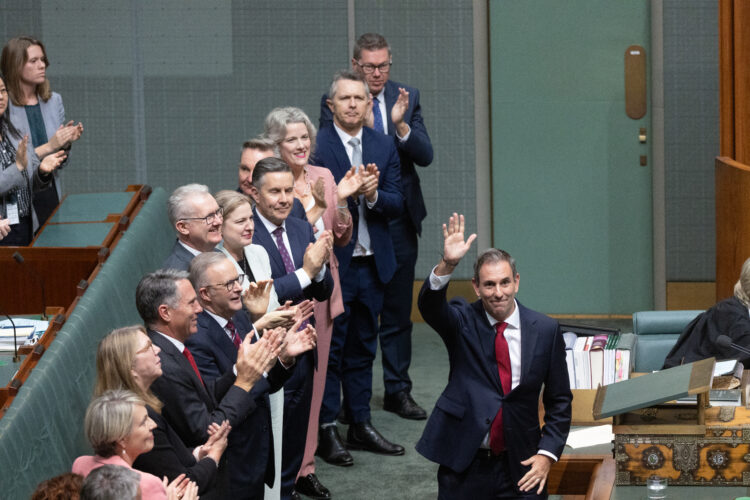
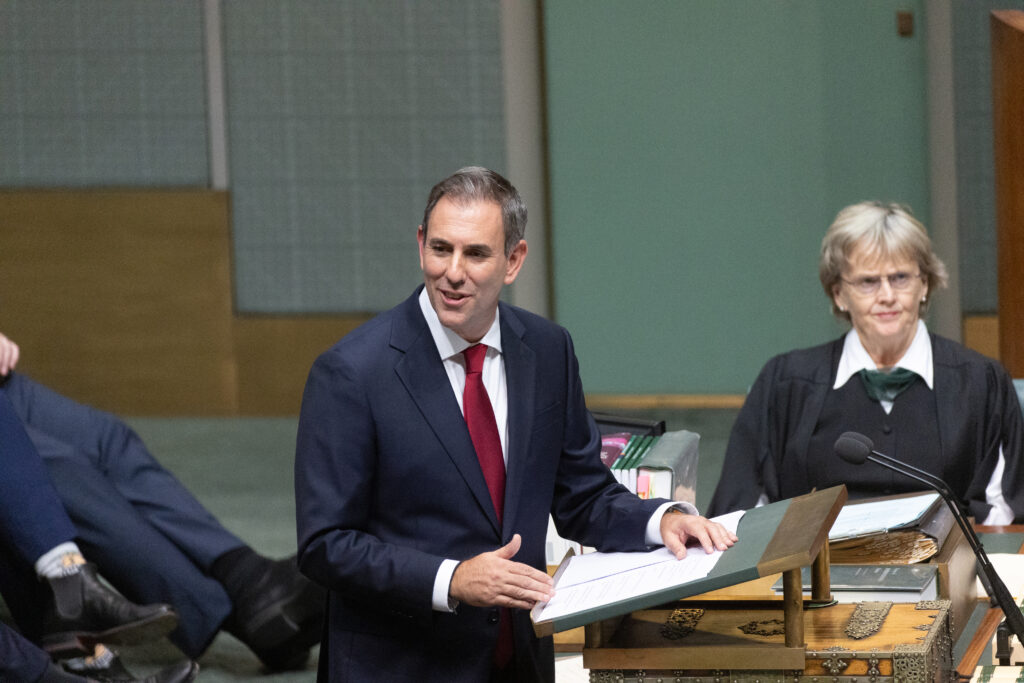
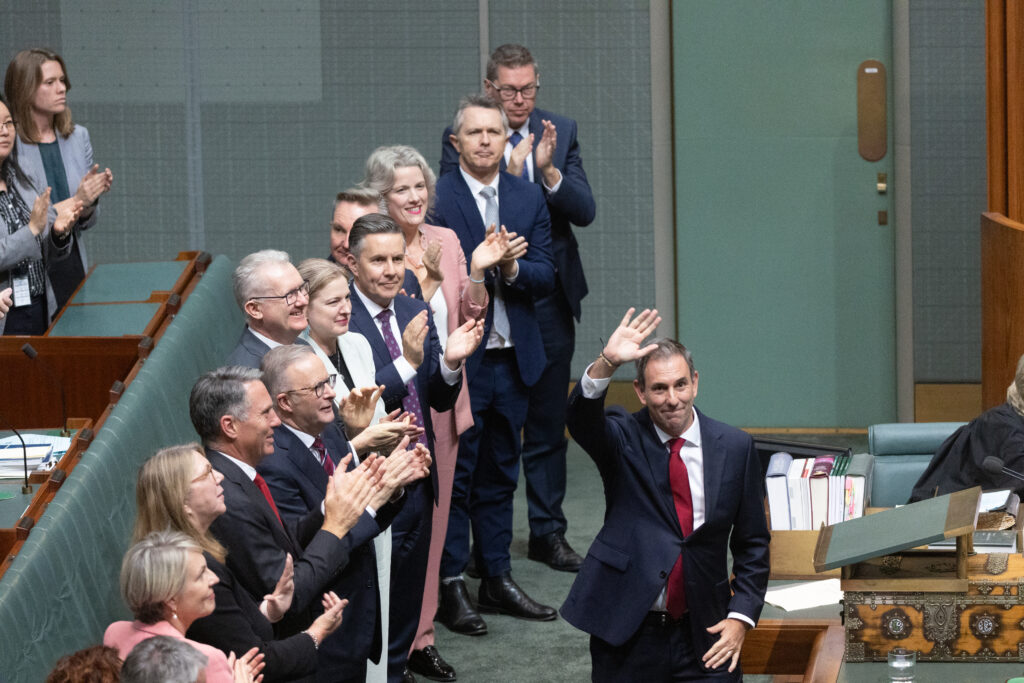

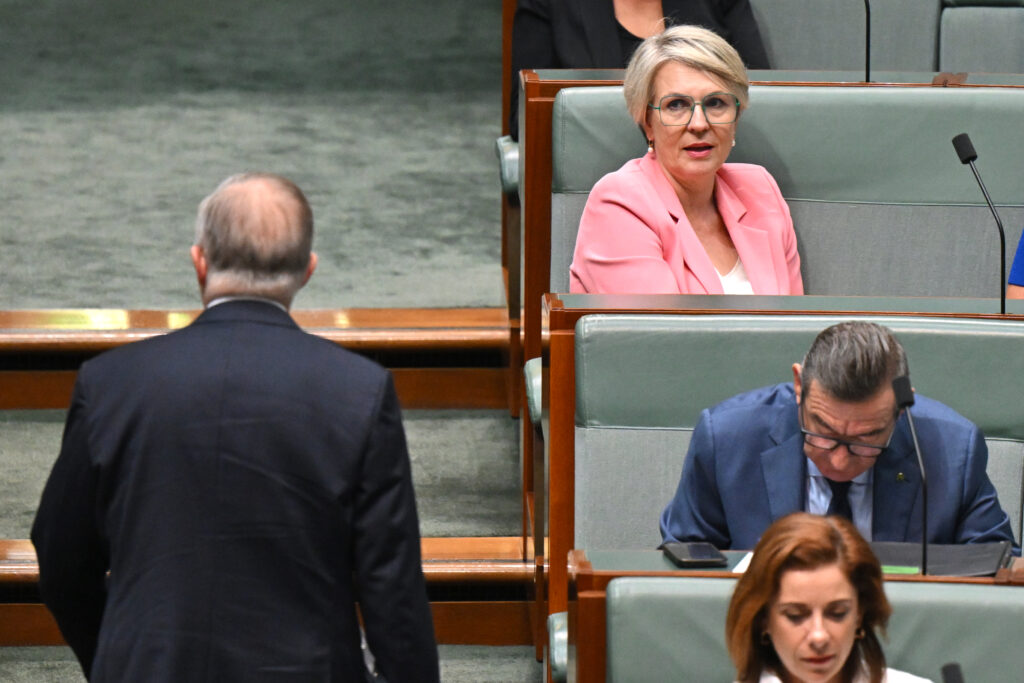
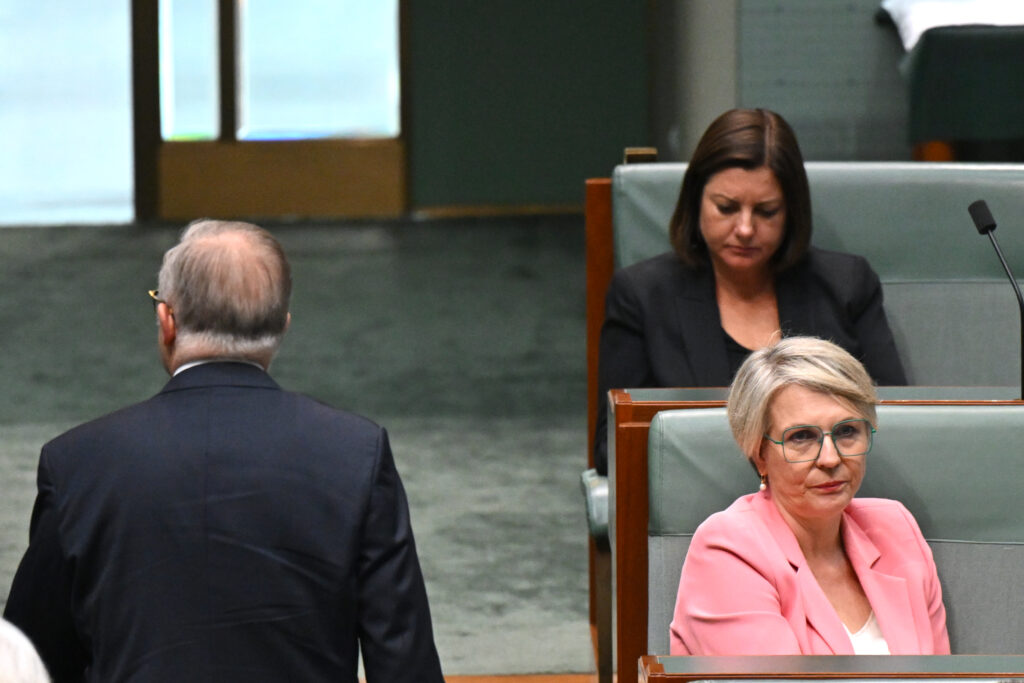
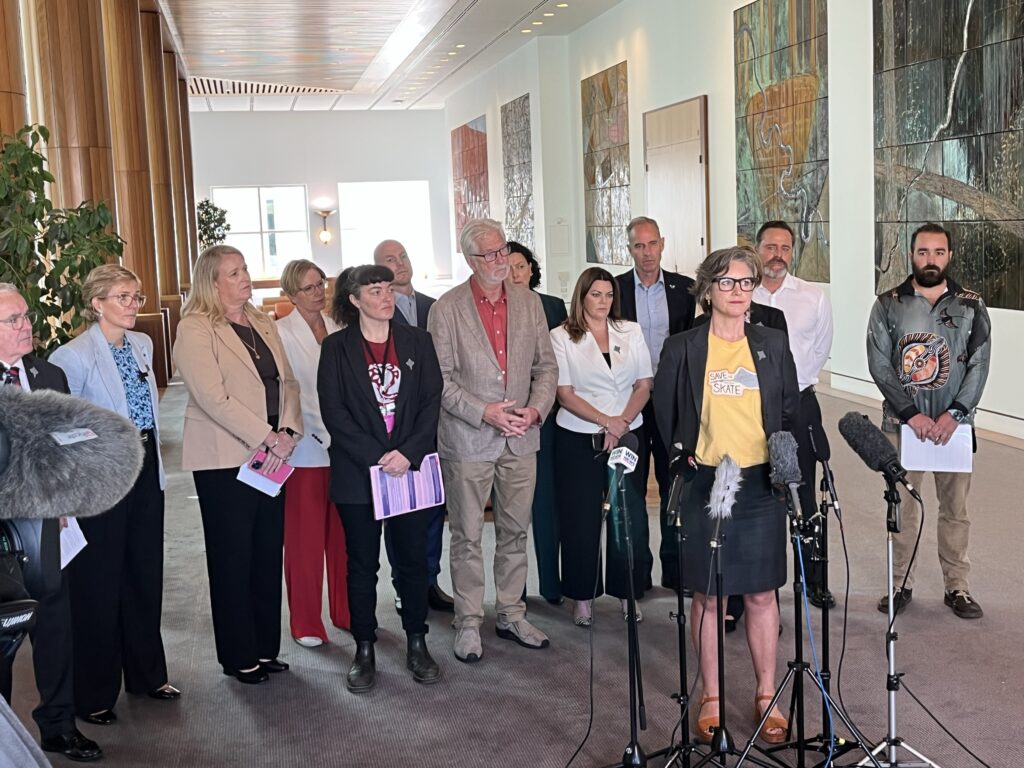
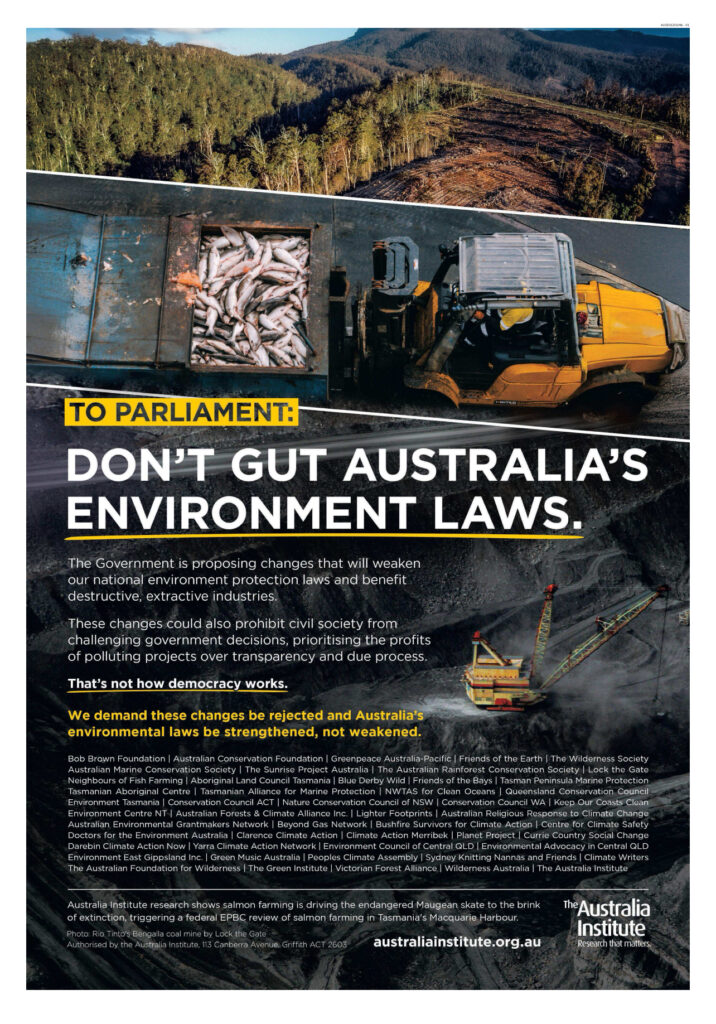
Comments
Start the conversation