

Good evening – see you tomorrow for day 4!
The Labor campaign are on to an undisclosed location (this is how campaigns work – you never know until you’re basically there)
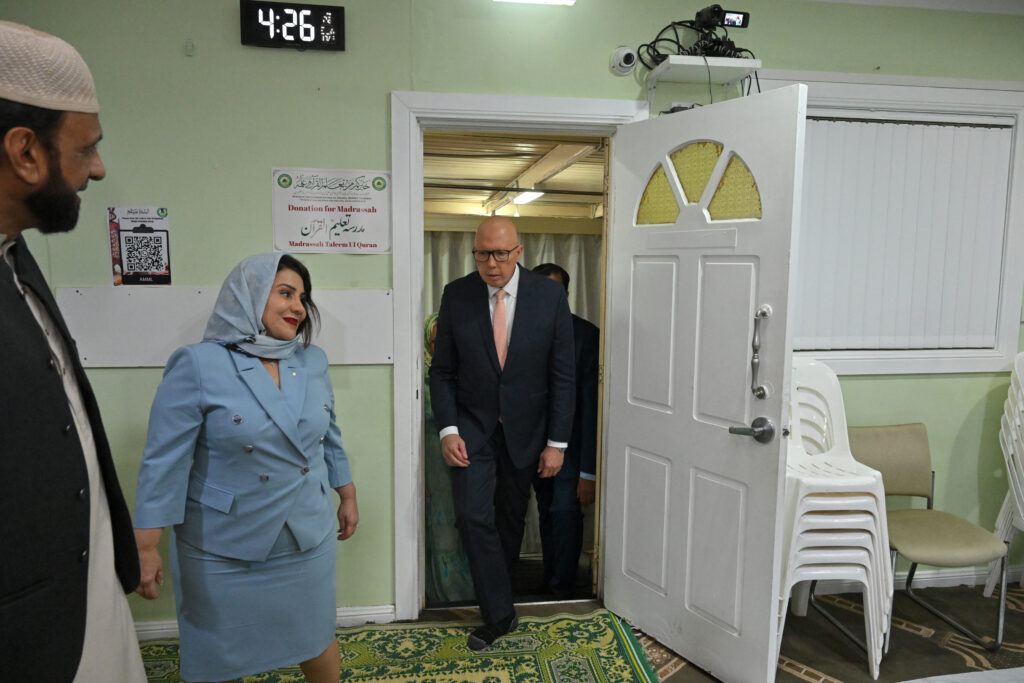
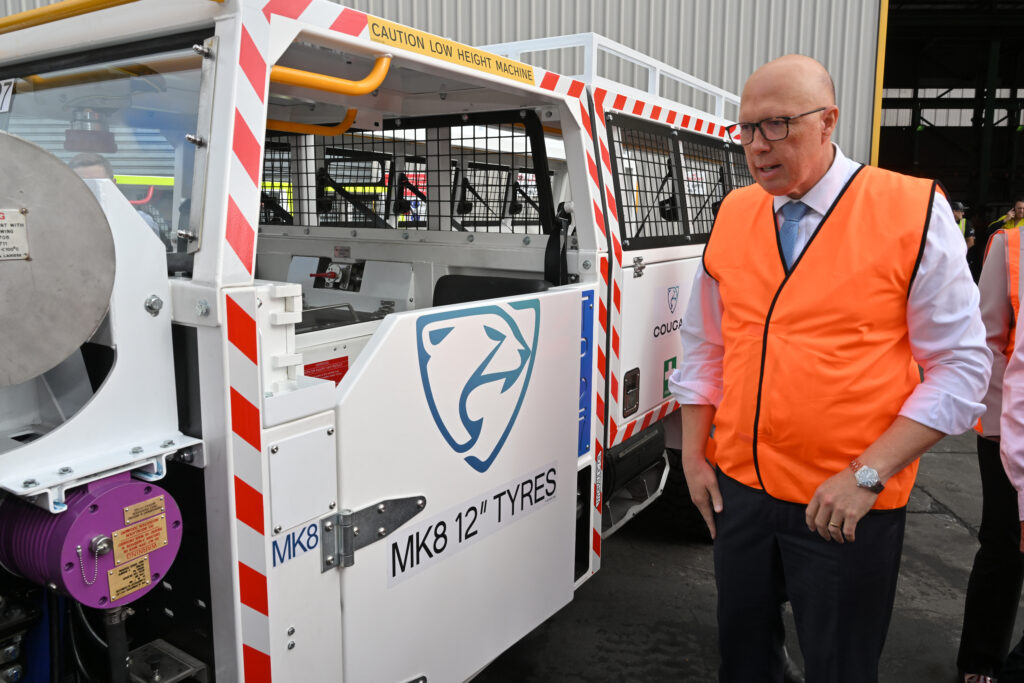
And the Coalition campaign is headed from southern Queensland to Brisbane where Peter Dutton has a Sky News commitment.
We have some questions we are looking into answers for you – but send me any questions you might have during this election campaign for either answers, or factchecks and we’ll see what we can do. You can find me at amy.remeikis@australiainstitute.org.au or on the socials (but email is easier to keep track of).
Today’s question:
Have almost 80% of coal workers in the US, the UK and Canada transitioned into working for the nuclear industry?
On the face of it, it doesn’t seem like it, but we are taking a longer look.
There is a lot of media attention on Anthony Albanese not being able to string a sentence together when he’s trying to repeat practiced lines (he is much better off the cuff)
Here was the whole answer to ‘will you negotiate with the Greens’ in a minority government, which is always asked and is always silly, because they always say no, but also, they are not turning down power. And also – they do negotiate with the Greens every week, in the senate.
Albanese:
That’s the matter for the organisational wing but I make this point as I have made it again – because there was some reporting of something in spite of the 385 times that I have said we will not govern in Coalition with anyone, including the Greens, that I rule out – I rule out – just to be really clear again – if you ask me, “Do you rule out governing in Coalition with the Greens?”, the answer to that is no. I don’t negotiate with the Greens.
The double negative in there has some people very excited about a faux pas, but honestly – can we move on to some actual issues?
We’ll be back tomorrow with more analysis, campaign coverage and fact checks – and we hope you will join us. It is very humbling to see how many of you have jumped on this little project so quickly. Thank you. We don’t take it for granted. Or you.
Until tomorrow, do good and take care of you. Ax


Comments
Start the conversation